Los Angeles is a city of contrasts: sun-drenched beaches, fog-kissed coastlines, rugged mountains, and bustling urban neighborhoods. That variety creates distinct microclimates across relatively short distances, which can surprise visitors and locals alike. Understanding those microclimates makes exploring the region more enjoyable and helps with packing, planning, and avoiding the most common pitfalls.
Why microclimates matter
Los Angeles spans coastal plains, valleys, and mountain ranges, and weather patterns change rapidly as you move between them. A fog bank rolling in from the Pacific can cool the coast while inland neighborhoods bake under clear skies. Elevation plays a role too — mountain trails can be significantly cooler than the city below.
Knowing what to expect lets you choose the right gear and optimize your day.
Typical microclimates and where to go
– Coastal (Santa Monica, Venice, Malibu): Expect cooler temperatures, breezes, and morning marine layer fog that often burns off by midday. Great for walking the pier, biking the beach path, and oceanfront dining.
– Downtown & Westside (Downtown LA, West Hollywood, Beverly Hills): Urban heat and sunny conditions dominate here.
Rooftop bars, museums, and shopping thrive in warmer, drier weather.
– Valley (San Fernando Valley): Warmer and drier than downtown, with hotter afternoons. Good for exploring residential neighborhoods, local eateries, and sprawling parks.
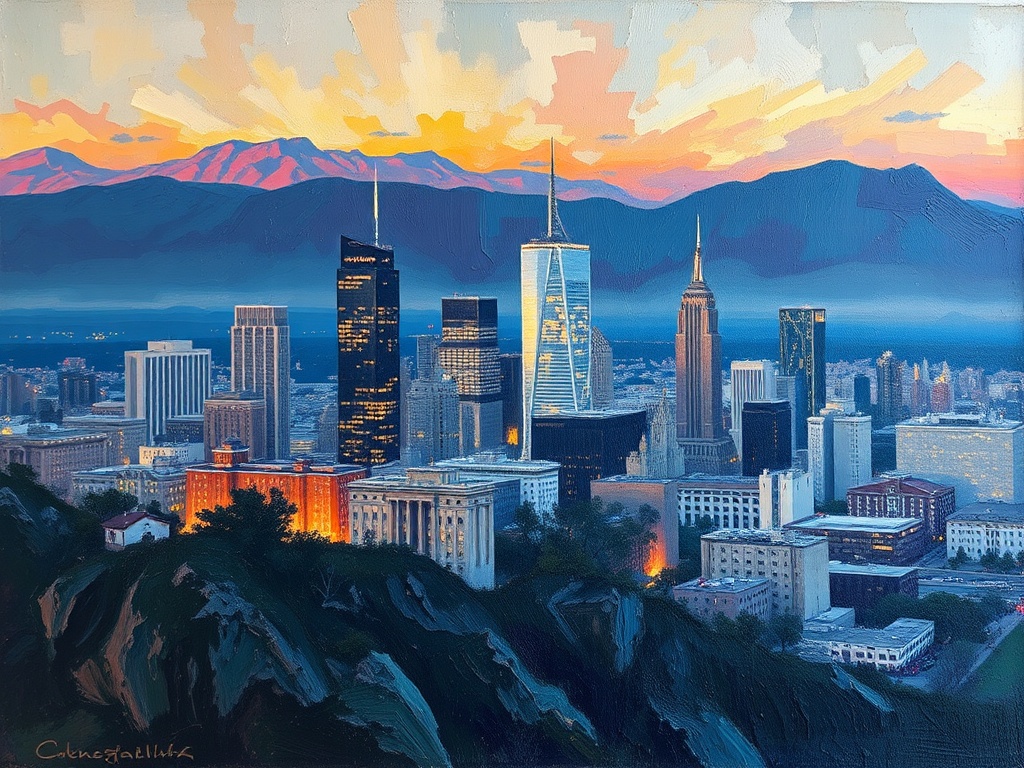
– Foothills & Mountains (Griffith Park, Santa Monica Mountains, Angeles National Forest): Cooler, windier, and more variable. Ideal for hiking, scenic lookouts, and escaping the heat — but layers are essential.
Packing smart for a day out
– Layering is key: a light jacket or windbreaker pairs well with a T-shirt. Coastal mornings can be chilly, while inland afternoons warm up.
– Sunscreen and sunglasses are non-negotiable. Even when it’s foggy, UV exposure can be significant.
– Reusable water bottle: hydration is crucial when hiking or spending long hours outdoors.
– Comfortable shoes: sand-friendly footwear for beaches and sturdy shoes for trails.
– A compact umbrella or light rain jacket during rainy seasons, especially if heading into higher elevations where showers can be more intense.
Getting around efficiently
Traffic is a fact of life, so plan buffer time between destinations.
Public transit and micromobility options have expanded, making it easier to skip parking headaches in dense neighborhoods. For scenic coastal routes, consider biking or walking portions of the path in Santa Monica and Venice. Ride-hailing is a reliable fallback for neighborhoods with limited transit late at night.
Top outdoor experiences that showcase microclimates
– Sunrise or sunset from Griffith Observatory: cooler air and panoramic city views make for dramatic photos.
– Beach strolls and sunsets at Santa Monica or Malibu: coastal breezes and fresh seafood spots nearby.
– Hiking in the Santa Monica Mountains: shaded trails, ocean vistas, and a welcome break from urban heat.
– Exploring Echo Park and Silver Lake: urban lakeside strolls with a neighborhood cafe culture that shines on milder days.
Staying informed
Check local weather apps and forecasts for neighborhood-specific updates. Real-time apps and community feeds often report fog, wind advisories, and trail conditions faster than broad regional forecasts. If heading into the mountains, verify trail status and parking rules before you go.
Los Angeles rewards local curiosity. Embracing its microclimates turns a simple outing into a richer experience — whether you’re chasing sunrise on a mountaintop, surfing morning swells, or sipping coffee in a sun-soaked neighborhood. Pack layers, plan routes with traffic and weather in mind, and let the city’s variety shape an itinerary that fits your pace.