California faces a unique wildfire reality that reshapes how residents, planners, and land managers approach safety and land stewardship. With more people living near wildlands and long-term shifts in climate and vegetation, adapting to fire-prone conditions is essential for protecting homes, infrastructure, and ecosystems.
Why wildfires are different here
A mix of dry vegetation, variable weather patterns, steep terrain, and development along the wildland-urban interface creates conditions where fires can start and move quickly. Wind-driven ember showers can ignite homes far from the flame front, while accumulated fuels in forests and chaparral can produce high-intensity burns. Recognizing this unique mix helps prioritize mitigation that reduces risk without negating the natural role of fire in many California ecosystems.
Practical steps for homeowners
– Create defensible space: Maintain a buffer around structures by removing dead plants, trimming tree canopies, and spacing vegetation to reduce flame spread. Prioritize the first 5–30 feet closest to the home.
– Harden your home: Use fire-resistant roofing and siding, install ember-resistant vents, and seal gaps where embers can enter. Double-paned windows and metal flashing help reduce vulnerability.
– Smart landscaping: Choose less flammable plants, keep mulch and combustible materials away from foundations, and maintain irrigation to reduce plant stress.
– Evacuation planning: Prepare go-bags, maintain multiple escape routes, and subscribe to local alert systems.
Practice plans with all household members and plan for pets and livestock.
– Insurance check: Understand policy coverages and limitations for wildfire-related losses. Document valuable items and maintain digital copies of important records.
Community and landscape-level strategies
– Fuel management: Mechanical thinning, brush removal, and controlled treatments reduce continuous fuels that enable crown fires. Strategic fuel breaks can slow fire spread and create safe zones for firefighters.
– Prescribed fire and cultural burning: Carefully managed burns restore ecological balance, reduce fuel loads, and can lower the risk of catastrophic fires. Reviving traditional Indigenous burning practices, where appropriate, offers ecological and cultural benefits.
– Land-use planning: Zoning and building codes that account for fire risk—such as setbacks, ignition-resistant construction standards, and limits on development in high-risk zones—help reduce long-term exposure.
– Community preparedness: Fire-adapted communities coordinate evacuation routes, shared fuel-reduction projects, and emergency communications. Neighborhood-level action multiplies the protective effect of individual property measures.
Technology and early detection
Modern tools enhance detection and response. Remote sensing, fire-behavior modeling, and aerial resources help prioritize response and suppression. Local alert systems, smartphone apps, and increasingly sophisticated mapping tools give residents timely information about threats and closures.
Funding and incentives
A variety of programs at state and federal levels offer grants, cost-sharing, and technical assistance for home hardening, fuel reduction, and community resiliency projects. Local fire departments and land-management agencies can help homeowners identify available resources.
Balancing fire and ecosystem health
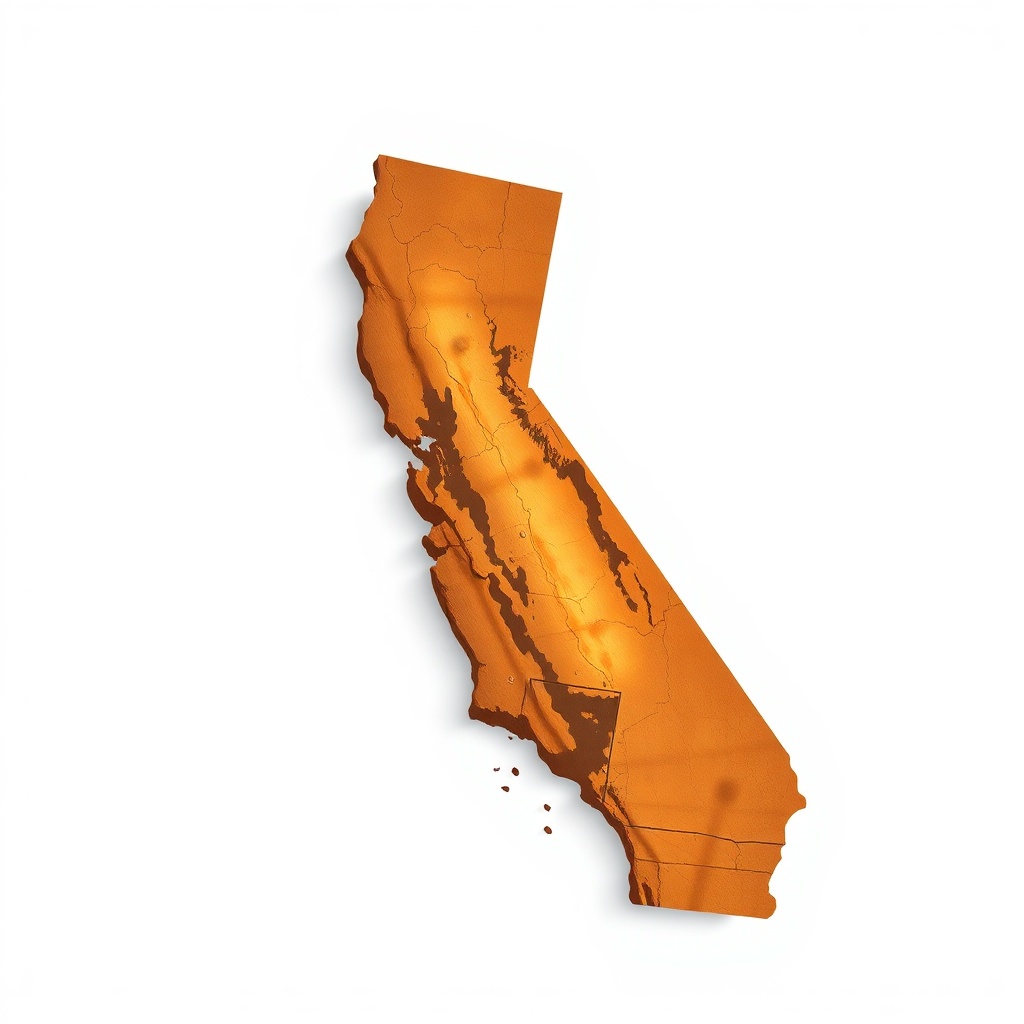
Not all fire prevention aims at total suppression. Many California habitats rely on periodic fire to regenerate and maintain diversity. Effective wildfire policy balances reducing immediate threats to people and property with practices that support long-term ecosystem resilience.
Taking action
Start by assessing your property and emergency plan, then connect with local fire agencies or firewise programs for tailored advice. Collective preparation—across neighborhoods, jurisdictions, and land stewards—builds lasting resilience that protects lives, homes, and the natural landscapes Californians value.