Los Angeles is reshaping what urban life looks like—blending car culture with transit growth, surf-and-sunset lifestyle with high-tech ambition, and long-standing neighborhoods with new public spaces.
Whether visiting for the first time or living locally, understanding how the city’s infrastructure, food scene, and outdoor offerings fit together makes navigating LA easier and more rewarding.
Transit and getting around
LA’s transportation picture is more diverse than the stereotype suggests.
Major transit corridors now connect downtown with inland and coastal neighborhoods via expanded light rail, frequent bus routes, and targeted bike-lane projects. For short hops, rideshare and scooter services remain convenient; for longer trips, park-and-ride options tied to rail stations help avoid freeway congestion. Plan trips with a multimodal mindset: combine bike or scooter for the first/last mile with a rail or bus segment to skip the worst traffic.
Green spaces and the L.A. River revival
Parks and riverfront reclamation projects are changing how Angelenos spend time outdoors. The revitalized river corridor offers bike paths, public art, and new pedestrian bridges that stitch neighborhoods together. Neighborhood pocket parks and tree-planting initiatives are improving shade and walkability in dense areas.
For a quieter escape, seek out hillside hikes that reward with skyline views, or neighborhood gardens where community volunteering is both social and restorative.
Food culture: neighborhoods and fusion
Food remains a core part of LA’s identity.
The culinary scene thrives on neighborhood-focused offerings: low-key taco stands, historic markets serving international cuisine, and elevated tasting rooms tucked into adaptive reuse spaces. Fusion continues to be a hallmark—Korean-Mexican tacos, Japanese-inspired pastries, and pan-Latin seafood—while chefs and vendors emphasize seasonal, locally sourced ingredients. Night markets and food halls are ideal ways to sample many flavors in one visit.
Housing and the changing urban fabric
Housing conversations are centered on affordability, density, and neighborhood character. Adaptive reuse of commercial buildings, increased infill development along transit lines, and incentives for accessory dwelling units are part of efforts to add capacity while retaining local identity. For renters and buyers, proximity to transit and local amenities increasingly influences value as more people prioritize commute time and neighborhood vibe over square footage alone.
Climate resilience and water-smart living
Water is a perennial concern in Southern California, and LA’s approach combines infrastructure upgrades with household-level changes. Drought-tolerant landscaping, graywater systems, and native plant gardens reduce outdoor water use and lower maintenance. On a larger scale, stormwater capture and groundwater replenishment projects aim to build more reliable local supplies.
For residents, swapping turf for native plants or installing smart irrigation yields both savings and a more climate-resilient yard.
Cultural life and creative economy
The city’s creative industries remain a magnet for talent across film, music, design, and tech.
Independent galleries, pop-up performances, and creative co-working spaces give local culture an energetic, grassroots feel.
Street festivals, outdoor cinemas, and neighborhood arts walks provide consistent opportunities to encounter emerging artists and makers.
Practical tips for enjoying LA
– Time visits outside peak commuting windows to save hours on the road.
– Mix transit with walking and micro-mobility for the most flexible travel.
– Try off-peak dining at bustling markets to beat lines and sample variety.
– Seek community events and neighborhood tours to discover lesser-known local gems.
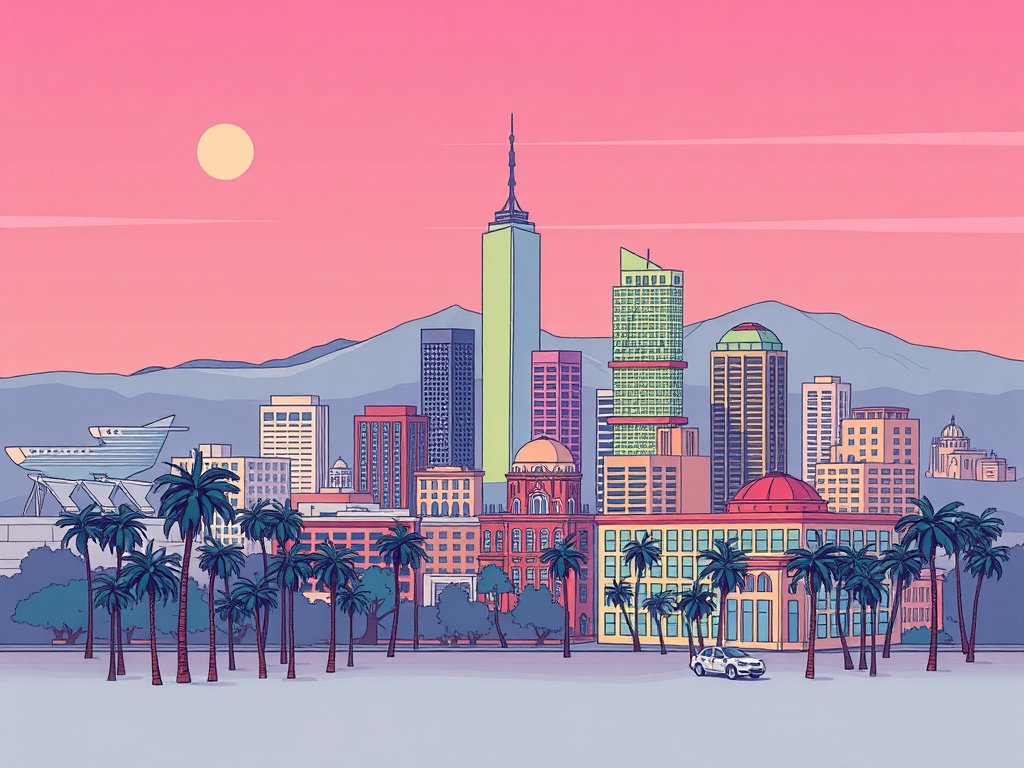
Los Angeles continues to evolve as a city that balances mobility improvements, environmental priorities, and a diverse cultural fabric. The best way to experience it is to explore with curiosity—ride a new rail line, taste a neighborhood specialty, and walk a recently renewed park. Each discovery offers a fresh perspective on what makes LA distinct.