Venice Beach: What to See, Do, and Know Before You Go
Venice Beach remains one of the most magnetic coastal neighborhoods, blending bohemian creativity, active outdoor life, and a dynamic street-culture scene.
Whether planning a first visit or a repeat stop, this guide highlights what to see, practical tips, and ways to enjoy Venice responsibly.
Main Attractions
– Venice Boardwalk: The heart of the action — street performers, skateboarders, artists, and an ever-changing lineup of vendors.
Great for people-watching and finding unique handcrafted goods.
– Muscle Beach: The iconic outdoor gym draws fitness enthusiasts and onlookers. Watching the calisthenics and weightlifting displays is a signature Venice experience.
– Venice Skatepark: A concrete bowl that attracts local and visiting skaters of all levels. Spectator-friendly, it’s lively from mid-morning through late afternoon.
– Venice Canals: A quieter contrast to the boardwalk, these historic canals offer tree-lined walks, footbridges, and picturesque homes. Ideal for a peaceful stroll or photography.
– Abbot Kinney Boulevard: A short walk from the beach, this street is known for boutique shops, coffee houses, galleries, and a strong independent-business vibe.
Things to Do
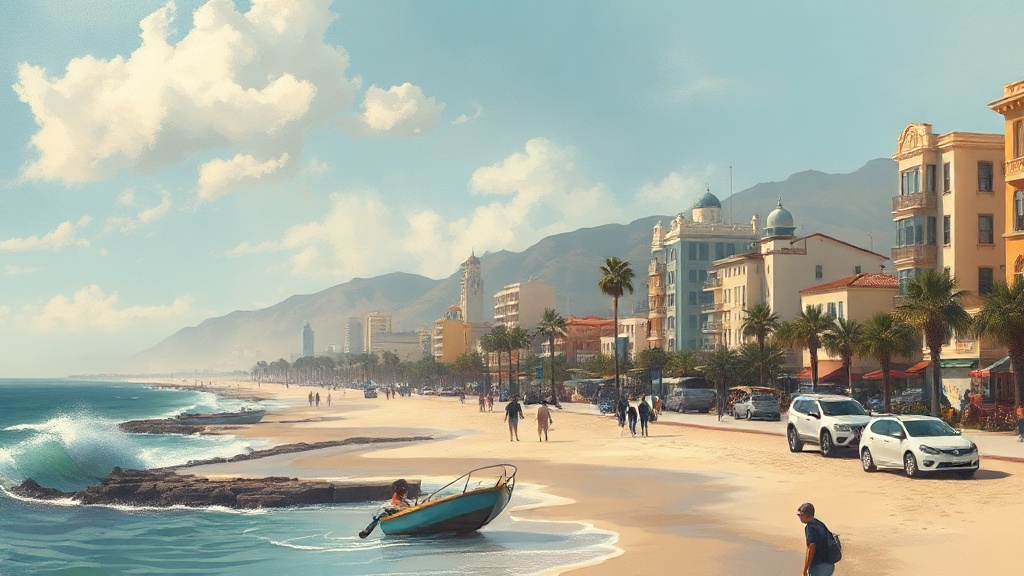
– Sunrise walks: Early mornings are perfect for a calmer beach walk, yoga on the sand, or a run along the path.
– Rental options: Bikes, electric scooters, and rollerblades are readily available; stick to designated lanes and share the space respectfully.
– Food scene: From casual taco stands and gourmet food trucks to upscale restaurants and vegan cafes, Venice caters to diverse tastes. Try local seafood and grab coffee at a neighborhood roaster.
– Art and murals: Street art is part of the neighborhood’s fabric. Exploring alleyways and side streets reveals colorful murals and pop-up galleries.
– Live entertainment: Buskers, live music, and pop-up performances happen frequently along the boardwalk and nearby venues.
Practical Tips
– Best times to visit: Early mornings and late afternoons offer better light for photos and fewer crowds. Weekdays are generally quieter than weekends.
– Parking and transit: Street parking near the beach is metered and fills quickly; ride-hailing, public transit, or biking are efficient alternatives.
Watch posted signs for restrictions and tow zones.
– Safety and etiquette: Stay aware of belongings in crowded spots and use lockers where available. Respect performers by watching from a distance, tipping if enjoying a performance, and asking before photographing individuals up close.
– Water and beach safety: Lifeguards patrol popular stretches; heed posted warnings about currents and water quality. Many local organizations monitor ocean conditions — check alerts if planning to swim.
– Supporting locals: Seek out independent businesses and artisan vendors to support the neighborhood economy. If shopping at markets or buying art, bring small bills for convenience.
Sustainability and Community
Venice’s community groups and environmental organizations often focus on coastal resilience, cleanup efforts, and habitat protection.
Visitors can contribute by carrying out trash, minimizing single-use plastics, and joining local cleanups when possible.
Why Venice Endures
The appeal of Venice Beach lies in its contrasts — the energy of the boardwalk vs. the serenity of the canals, historic grit vs. polished boutiques nearby. It’s a place to observe urban creativity in motion, to exercise outdoors, to savor diverse eats, and to discover new artists. With a little planning and respect for local culture, a visit to Venice can be a memorable, authentic slice of coastal life.