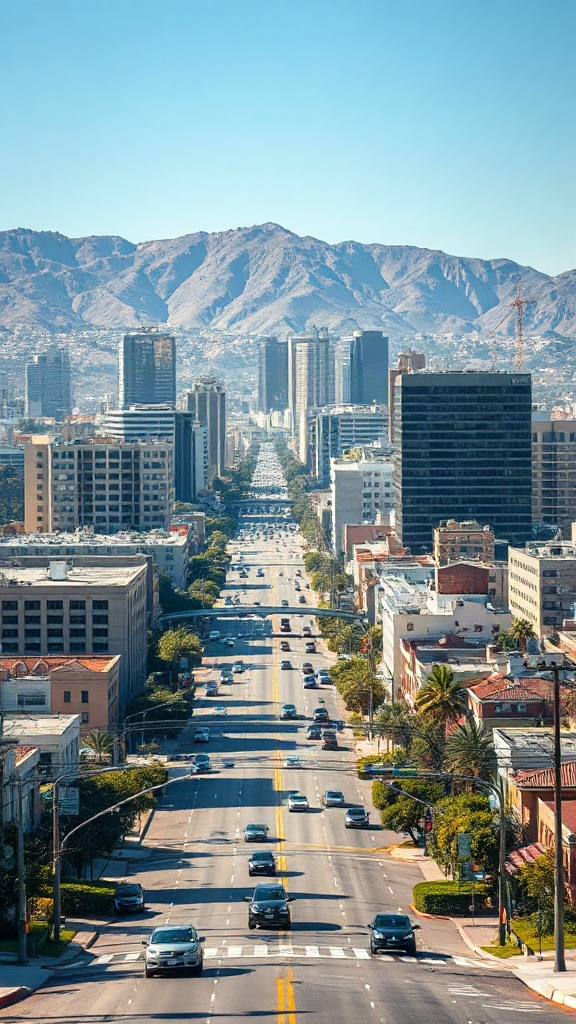
Explore Los Angeles Like a Local: Transit, Neighborhoods, Food, and Outdoor Picks
Los Angeles is a sprawling city of distinct neighborhoods, urban parks, and a lively food scene. Navigating it efficiently takes a mix of transit know-how, neighborhood strategy, and a few local habits. Use these practical tips to get more out of LA whether you’re new to the city or revisiting favorite spots.
Transit and getting around
– Use rail and buses for core corridors. The regional rail and light rail lines connect major hubs and cut through congested areas, while bus routes fill in gaps. Keep an eye on official transit apps and regional transit maps for service alerts and route updates.
– Tap-based fares and mobile ticketing simplify transfers. Most regional systems accept reloadable transit cards and mobile tickets, which are faster than cash and easier for transfers between modes.
– Micromobility is widely available.
Docked and dockless bikes, e-bikes, and electric scooters provide convenient last-mile options—perfect for short trips through dense neighborhoods and along waterfronts.
– Rideshare and shuttles remain convenient for late-night travel or cross-town trips where transit is sparse. Consider shared-ride options to save on cost and reduce parking hassles.
Neighborhoods to prioritize
– Downtown (DTLA): A revitalized core with museums, rooftop bars, and an expanding culinary scene. Great transit connections make it an efficient base for regional travel.
– Koreatown: A dense, 24-hour vibe known for late-night dining, karaoke, and unique bakeries.
– Silver Lake and Echo Park: Trendy neighborhoods with indie shops, coffee roasters, and scenic reservoirs. Walkable areas for boutique shopping and brunch.
– Venice and Santa Monica: Coastal energy, boardwalk culture, and beachside dining.
Bike paths and pedestrian-friendly stretches make these ideal for a relaxed day outdoors.
– Griffith Park and Los Feliz: Offers major green space, hiking trails, and sweeping city views—an oasis for nature lovers within the metropolitan fabric.
Food, coffee, and markets
– Street food and casual counters often deliver the most memorable meals: tacos, pupusas, and noodle spots reflect the city’s rich cultural mix.
Look for lines and packed counters—that’s a reliable indicator of quality.
– Neighborhood farmers’ markets are excellent for fresh produce and local specialties. Markets also double as low-key spots to sample prepared foods and discover artisanal producers.
– Specialty coffee roasters and independent cafes are plentiful across neighborhoods—perfect for work sessions or people-watching while mapping your next stop.
Outdoor and cultural highlights
– Head to major parks and coastal paths for accessible outdoor time.
Urban trails, beachfront promenades, and pocket parks provide fresh-air options without long travel.
– Cultural institutions and smaller galleries are scattered across neighborhoods. Many offer late nights and free or low-cost admission days—check event calendars before you go.
– Street murals and public art are ubiquitous; self-guided mural walks yield vibrant photo ops and local storytelling.
Practical tips
– Parking can be expensive and scarce; use parking apps to find and pay for metered spots and lots.
Wherever possible, combine transit with walking or micromobility.
– Stay mindful of weather and sun exposure; layered clothing and sunscreen help when moving between shaded neighborhoods and open-air sections.
– Keep a reusable water bottle and portable charger handy—both are lifesavers during long days of exploring.
With a mix of transit, walking, and a few scooter rides, you can experience the diversity of Los Angeles efficiently and enjoyably. Focus on one or two neighborhoods per day to get a deeper feel for the local rhythm instead of trying to see everything at once.