Los Angeles is evolving fast — not just as a global entertainment hub but as a city reshaping how people live, move, and adapt to climate realities.
From expanded transit and office-to-housing conversions to greener streets and water-wise landscapes, the LA of now is focused on resilient growth that balances density with livability.
Transit-first momentum
Los Angeles has steadily shifted toward a transit-minded approach. New rail connections, upgraded stations, and better bus rapid transit corridors are making car-free trips more feasible across neighborhoods that were once difficult to reach without driving. For commuters and visitors, that means easier access to cultural hubs, beaches, and job centers while reducing traffic congestion and emissions. Integrating bike-and-ride facilities and improved first/last-mile connections helps commuters complete more trips without a car.
Housing and adaptive reuse
Housing demand and zoning tweaks have pushed creative solutions like converting underused office buildings into residential units and promoting accessory dwelling units (ADUs) in single-family neighborhoods. These strategies increase housing supply while preserving neighborhood character when done thoughtfully. For people seeking housing, consider neighborhoods with active rezoning or transit access to maximize convenience and future value.
Climate resilience and water-smart landscaping
Facing hotter summers and fluctuating water supplies, the city is encouraging drought-resistant landscaping, rainwater capture, and smart irrigation. Native and Mediterranean plants, permeable pavements, and shade trees not only cut outdoor water use but also reduce urban heat island effects. Homeowners and landlords can lower utility bills and boost curb appeal by replacing turf with climate-appropriate gardens and installing efficient drip irrigation.
Electric mobility and cleaner streets
Electric vehicle adoption is rising, and LA’s charging network is expanding across neighborhoods, commercial districts, and major venues. Meanwhile, bike lanes and micromobility options are filling gaps in the transportation system, making short trips quicker and healthier. For businesses, adding EV charging and bike parking can attract customers who prioritize sustainability.
Public spaces and equitable planning
Parks, plaza upgrades, and streetscape improvements are shifting from isolated projects to coordinated investments that connect communities. Emphasis on equitable planning means improving access to green space and essential services in historically underserved areas, boosting public health and local economies. Community-driven design and programming — like pop-up markets and cultural events — keep these spaces vibrant and relevant.
What residents and visitors can do now
– Take advantage of transit passes and multimodal apps to plan car-free days.
– Consider water-wise landscaping upgrades: swap turf for native plants and add smart irrigation.
– If looking for housing, explore ADU options or neighborhoods where office-to-residential conversions are happening.
– Try an EV or e-bike for short trips; look for charging or bike parking incentives from landlords and retailers.
– Support local plazas and park initiatives — community input often steers funding and programming.
Los Angeles is balancing growth and sustainability with a focus on access — making it easier to get around, live affordably, and enjoy outdoor life.
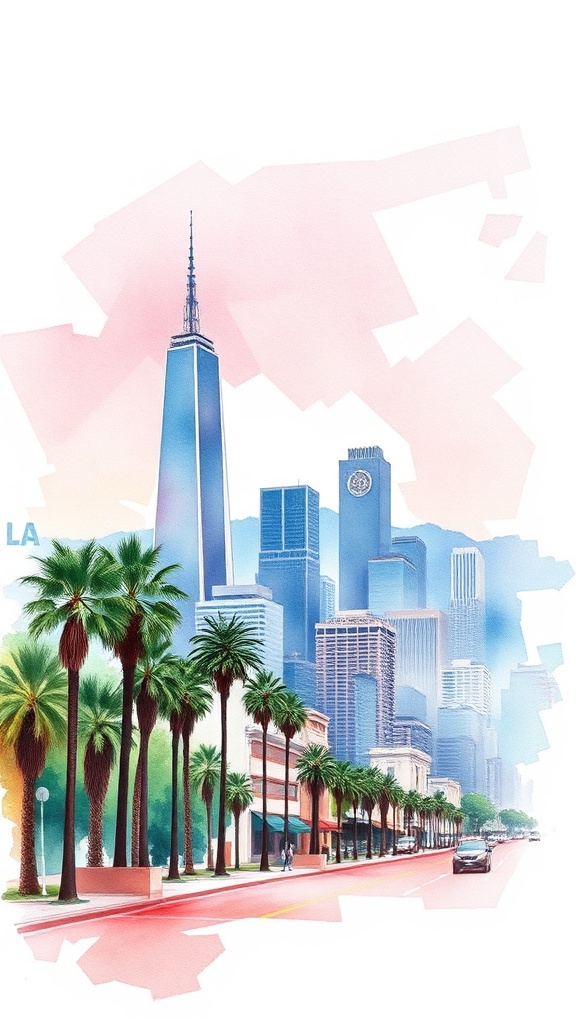
Whether you’re a longtime resident or just visiting, tapping into transit, green spaces, and local initiatives is the best way to experience the city’s evolving character and contribute to a more resilient LA.