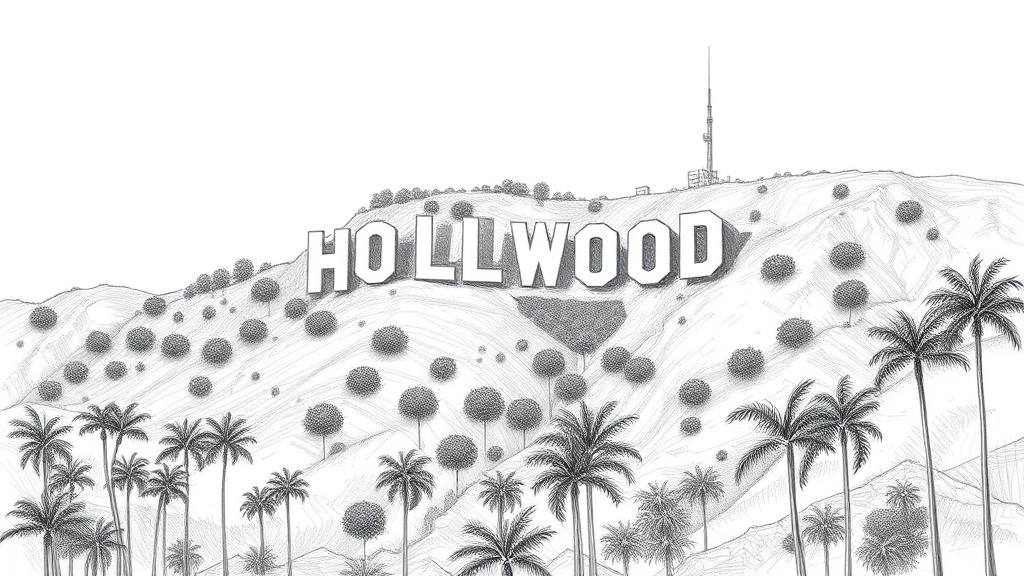
Hollywood is reinventing itself — again. The industry that once hinged on studio lots and exclusive theatrical runs now balances streaming platforms, tentpole franchises, and a growing appetite for original voices.
That tension between commerce and creativity is shaping what audiences see and how films are made, marketed, and distributed.
Theatrical eventism vs. streaming convenience
Theatrical releases remain a prestige marker: big-budget spectacles and high-concept dramas still aim for cinema screens to maximize box office and awards visibility. At the same time, streaming platforms have normalized day-and-date releases, shortened theatrical windows, and given creators alternative financing.
Studios now craft release strategies based on title scale and audience behavior — premium event films get wide theatrical pushes, while mid-budget or niche projects may be destined for streaming where discoverability can be stronger.
Franchise strategy and IP stewardship
Franchises continue to dominate attention and budgets, but audiences are savvier about fatigue. Successful franchises balance expansion with quality control: spin-offs that deepen a universe rather than dilute it, and serialized storytelling that respects character arcs.
Studios that invest in world-building without overextending IP tend to see stronger long-term engagement and merchandising opportunities.
Diversity, inclusion, and authentic storytelling
Diversity remains a central factor in creative and commercial success. Films and series that reflect varied experiences attract broader audiences and generate cultural conversations.
Casting, hiring behind the camera, and developing inclusive narratives are not only ethical priorities but practical ones — projects that embrace authenticity often outperform expectations and build loyal fanbases.
Global markets and localization
Global box office and international streaming subscribers are critical revenue streams. Hollywood increasingly collaborates with international talent, co-produces with regional studios, and localizes marketing to maximize reach.
Tailoring content for global audiences — while preserving unique creative voices — is a delicate but rewarding strategy.
Production incentives and location trends
State and national production incentives continue to influence where projects shoot. Tax credits, infrastructure, and skilled local crews make certain regions more attractive, shaping the industry’s geography.
Meanwhile, modern virtual production techniques reduce the need for travel on some projects, allowing for more flexible production plans while still supporting local economies when location shoots are necessary.
Sustainability and responsible production
Sustainable production practices are gaining traction.
Studios and production companies are adopting greener set protocols, waste reduction measures, and carbon offsetting to reduce environmental impact. These efforts resonate with talent, crews, and audiences who prioritize responsible entertainment.
Marketing in the attention economy
Marketing has evolved beyond traditional trailers and posters. Social media engagement, influencer partnerships, fan events, and interactive campaigns drive awareness and fandom. Data-driven targeting helps reach niche audiences efficiently, while experiential marketing creates memorable moments that translate into ticket sales or streaming views.
Opportunities for indie filmmakers
Independent filmmakers can thrive by leveraging alternative distribution, festival exposure, and niche audience targeting. Quality storytelling combined with smart festival runs and strategic platform partnerships can lead to breakout success, even amid big-studio dominance.
Looking ahead
Hollywood’s future will be defined by adaptability: the ability of studios, creators, and distributors to respond to shifting audience habits, technological innovations, and global market dynamics. Those who balance commercial imperatives with creative risk — embrace diversity, sustainability, and smart use of technology — will shape the next era of storytelling. The industry remains a dynamic ecosystem where opportunity exists for bold ideas, thoughtful execution, and meaningful connection with audiences everywhere.