How Los Angeles Is Rewriting Its Streets for Climate Resilience and Everyday Life
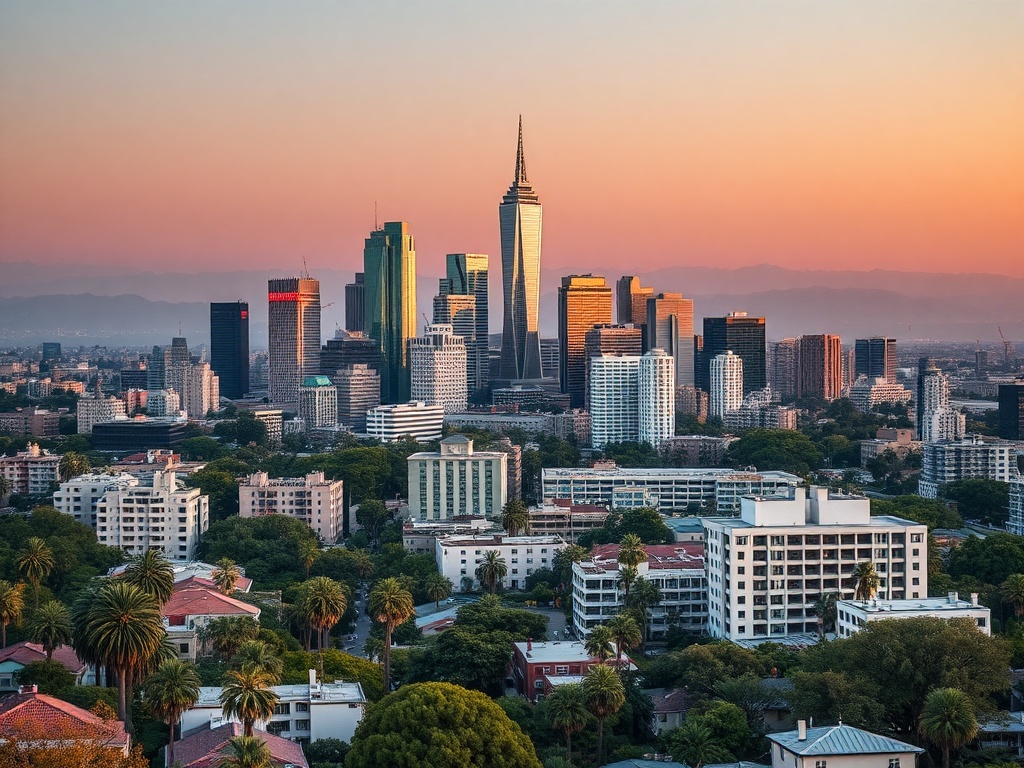
Los Angeles is shifting from car-first corridors to streets that manage water, cool neighborhoods, and invite people to linger. This move toward green infrastructure and people-centered design responds to hotter, drier conditions and decades of vehicle-oriented growth. For residents and businesses, the changes improve quality of life while making the city more resilient to climate extremes.
What green streets do
Green infrastructure replaces or supplements traditional concrete with systems that capture stormwater, reduce flooding, and recharge groundwater. Bioswales, permeable pavement, curbside planters, and rain gardens slow runoff and filter pollutants before water reaches storm drains. Tree-lined medians and expanded sidewalks shade pavement and reduce the urban heat island effect, lowering local temperatures and energy use.
Benefits for local neighborhoods
Investments in green streets yield multiple wins. They reduce flooding in low-lying neighborhoods, help replenish local aquifers, and improve air quality by trapping dust and particulates.
Cooler streets make summer afternoons more comfortable for walking, biking, and outdoor commerce, supporting local businesses and healthier lifestyles. Increased tree canopy and pocket parks also boost property values and contribute to neighborhood pride.
Programs and incentives
A range of incentives encourages homeowners, businesses, and developers to adopt drought-tolerant landscaping and water-saving fixtures. Utility rebate programs help offset the upfront cost of replacing turf with native plants or installing smart irrigation systems. Property owners can also take advantage of rebates for rain barrels, permeable driveways, and gray-water retrofits that reuse household water for irrigation.
Design that balances mobility and access
Green street projects often pair stormwater improvements with traffic-calming measures: narrowed travel lanes, protected bike lanes, curb extensions, and raised crosswalks. These elements slow traffic, improve safety for pedestrians and cyclists, and prioritize local access over through-traffic. The result is a more walkable street where short errands and social interactions are easier and safer.
Community-led approaches
Community engagement is central to successful projects. Local input shapes plant selection, seating, public art, and maintenance plans, so improvements reflect neighborhood needs and cultural preferences. Volunteer programs and partnerships with local nonprofits provide hands-on care for new plantings, creating stewardship and reducing maintenance costs.
Challenges and scaling up
Scaling green infrastructure across a sprawling city takes coordination among multiple agencies, funding sources, and property owners. Long-term maintenance is a common concern, especially for bioswales and planted medians that require seasonal care. Equity is also essential: prioritizing investments in historically underserved neighborhoods ensures that flood protection, shade, and cleaner air benefit those who need it most.
How to get involved
Residents can start small by converting a patch of lawn to native plants, installing a rain barrel, or joining a local planting day.
Signing up for utility rebate newsletters and attending neighborhood council meetings are practical ways to stay informed about larger projects. For businesses, partnering with city programs to green sidewalks and storefronts can attract foot traffic and reduce cooling costs.
The city’s evolving streetscape points toward a more resilient, livable Los Angeles. As green corridors expand, they knit together climate adaptation with everyday urban life—making neighborhoods safer, cooler, and more beautiful while capturing water and reducing pollution. Exploring local projects and programs is a good first step for anyone who wants to help shape the next generation of streets.