Best Neighborhoods in Los Angeles to Explore: A Local's Guide to Food, Culture, and Getting Around
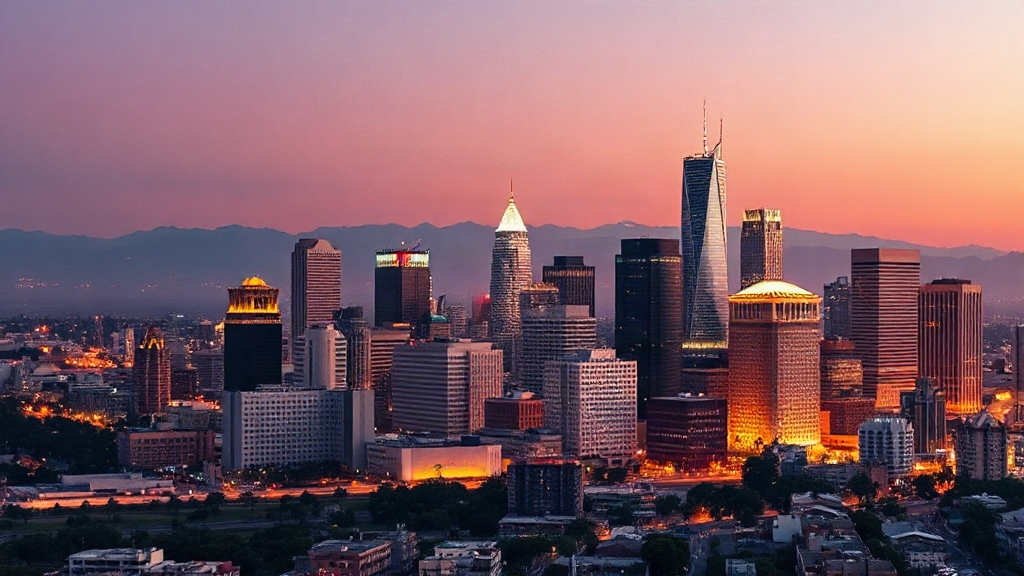
Los Angeles is often described as a sprawling collection of suburbs in search of a city. Spend a little time here and that description falls apart. The city is a patchwork of distinct neighborhoods, each with its own food, culture, and pace. Whether you're planning a first visit or have lived here for years, these are some of the best areas to explore right now.
Downtown Los Angeles: The Reinvented Core
Downtown has changed a great deal over the past decade. Historic theaters, rooftop bars, and converted warehouses now sit alongside major cultural institutions like The Broad, MOCA, and Walt Disney Concert Hall. The Arts District, with its murals, craft breweries, and independent coffee roasters, is ideal for a slow afternoon on foot.
Nearby, Grand Central Market remains one of the city's best food halls. You can eat your way through it in an hour, from handmade pupusas to wood-fired pizza.
Koreatown: Dining After Dark
Koreatown is one of the most energetic neighborhoods in the country, and it rarely sleeps. Beyond the well-known Korean barbecue restaurants, you'll find late-night tofu stews, hidden karaoke rooms, and dessert cafés serving shaved snow ice. Many of the best spots are tucked inside unassuming strip malls, so don't judge a restaurant by its parking lot.
Highland Park and Eagle Rock: Neighborhood Charm
On the city's northeast side, Highland Park and Eagle Rock offer a more laid-back experience. York Boulevard and Figueroa Street are lined with vintage shops, independent bookstores, bakeries, and some of the best casual dining in the city. The area also has a strong creative community, with galleries and music venues that feel refreshingly local.
The Westside and the Coast
Culver City has grown into a dining and entertainment hub, with a walkable downtown, thriving food halls, and an increasingly serious restaurant scene. Farther west, Santa Monica and Venice deliver the classic coastal experience: bike paths, sunsets over the Pacific, and people-watching along the boardwalk.
For something quieter, head to Malibu's beaches or the trails of Topanga State Park. In a single day, you can hike through chaparral-covered hills and finish with your feet in the sand.
Little Tokyo, Chinatown, and the Cultural Mosaic
Los Angeles is one of the most diverse cities in the world, and its historic ethnic neighborhoods show it. Little Tokyo offers ramen shops, mochi bakeries, and the Japanese American National Museum. Chinatown has blended tradition with a new wave of galleries and chef-driven restaurants. Both are easy to reach by Metro, which makes car-free exploring more realistic than many visitors expect.
Getting Around Smarter
Traffic is part of the LA identity, but a few habits make it far more manageable:
- Plan around rush hours. Avoid the freeways between roughly 7 and 10 a.m. and 3 and 7 p.m. when possible. - Use Metro where it makes sense. The rail network keeps growing, connecting Downtown, Hollywood, Santa Monica, Pasadena, and parts of the South Bay. - Cluster your activities. Pick one or two neighborhoods per day instead of crossing the city repeatedly. - Consider ride-share for nights out. Parking can be expensive and hard to find in busy districts.
When to Go
Fall and early winter are among the most pleasant times to visit. Summer crowds thin out, temperatures settle into the comfortable range, and clear days offer sharp views of the San Gabriel Mountains. It's also a good time for hiking at Griffith Park, where the Observatory looks out over the entire basin.
Why Los Angeles Keeps Drawing People In
The city's appeal comes from its variety. You can have breakfast burritos in Boyle Heights, an afternoon at a world-class museum, and dinner on a pier, all in the same day. As the city continues to invest in transit, public spaces, and cultural venues, it keeps evolving, and that's why even longtime residents still find something new around the corner.
The best approach is to skip the checklist of famous landmarks and pick a neighborhood. Wander without a strict plan, eat where the locals line up, and let the city reveal itself one block at a time.