Blade Runner 2099 and King Tides: How Los Angeles Is Facing Its Future On Screen and On the Shore
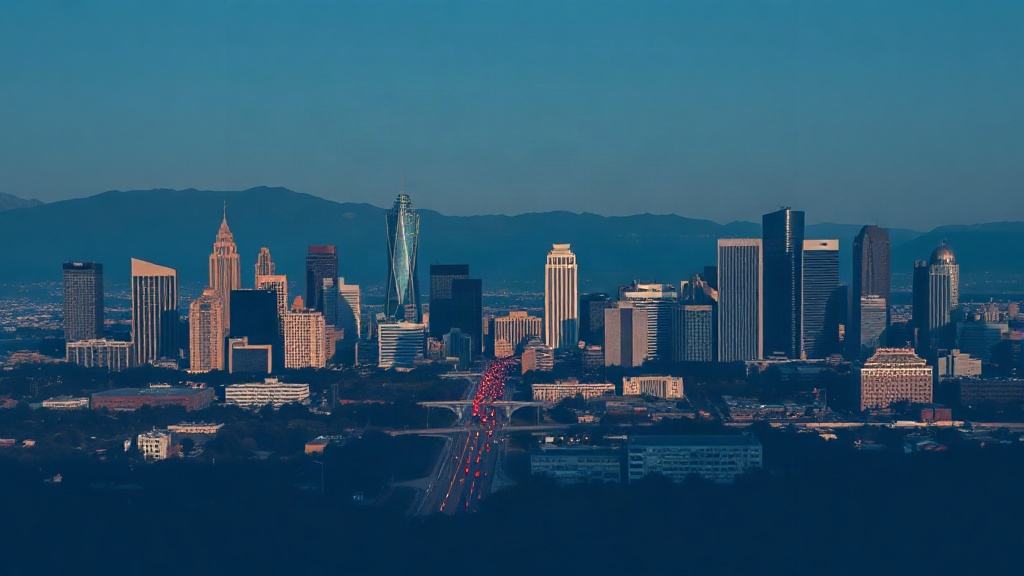
Los Angeles has always been a city that plays two roles at once: a real place with real weather, and a projection screen for the world's imagination. Right now, both sides are getting attention. A new vision of the city's future is arriving on screen, while the Pacific is reminding locals that the shoreline is anything but static.
Blade Runner 2099 and the Hot, Sticky Future
The sci-fi franchise that famously imagined a dark, rain-slicked, neon-soaked Los Angeles is back with a new series, *Blade Runner 2099*. According to The New York Times, this version of the future feels less like a cold, drizzly noir and more like a sweltering, humid world where heat clings to everything.
That shift says a lot about how our anxieties have changed. Decades ago, the genre's dystopias leaned on endless night and acid rain. Today, the more relatable nightmare is a climate that never lets up. For Angelenos who have lived through record-breaking heat waves, smoky skies, and long dry spells, a sticky, sweaty future doesn't feel like fantasy. It feels like an extension of the last few summers.
It also reinforces why the city remains such fertile ground for storytelling. Few places combine sprawling freeways, glittering skylines, desert edges, and ocean views so dramatically. Whether it's reimagined as a sunken metropolis or a sweltering megacity, Los Angeles keeps serving as the world's favorite laboratory for imagining what comes next.
What Are King Tides?
While fictional futures play out on screen, a very real coastal phenomenon is drawing attention along the Southern California shoreline. As ABC7 Los Angeles recently explained, king tides are the highest high tides of the year, and they tend to appear in the cooler months.
They aren't caused by storms. Instead, they happen when the sun, moon, and Earth line up in a way that amplifies gravitational pull, especially when the moon is close to Earth in its orbit. The result is water that climbs noticeably higher up the beach than usual, then drops lower at the opposite end of the cycle.
Locals may notice:
- Waves reaching farther up beaches, sometimes covering the sand entirely - Water pooling in low-lying streets and parking lots near harbors - Pressure on boardwalks, piers, and beachfront walkways - Flooding in coastal neighborhoods and marinas, especially when high tide coincides with large surf or a storm system
Spots such as Seal Beach, Newport Beach, Long Beach, Venice, and areas around Marina del Rey are often mentioned during these events because of their low elevation and proximity to the water.
Why King Tides Matter Beyond the Photo Op
King tides are a natural, predictable event, but scientists and coastal planners also treat them as a preview. As sea levels gradually rise, tomorrow's average high tide may look a lot like today's king tide. That makes these events a useful, real-world stress test for seawalls, storm drains, roads, and homes.
Many coastal organizations encourage residents to photograph and document where the water reaches. Those images help communities see which areas are most vulnerable and where future adaptation efforts might be needed.
Practical Tips for Beachgoers and Coastal Residents
If you're planning a trip to the shore in the coming weeks, a little preparation goes a long way:
- Check tide tables from NOAA or a trusted local source before heading out. - Avoid parking in low-lying lots near the water during peak high tide. - Never turn your back on the surf, since higher water means waves can run farther up the sand than expected. - Keep an eye on weather forecasts, because strong swells combined with king tides raise the risk of flooding. - Stay off jetties and rocks, which become far more hazardous when water levels are elevated.
A City Between Fiction and Reality
Whether through a streaming series reimagining a sweltering future or the very real surge of the tides at the beach, Los Angeles is a city constantly negotiating its relationship with the environment. One shows us how creatively we can imagine what's ahead. The other quietly shows us what's already happening. Together, they make a good case for paying attention, both to the stories we tell about the city and to the water lapping at its edges.