California Storm Brings Heavy Rain, Mountain Snow, Power Outages and Flood Risk: How to Stay Safe
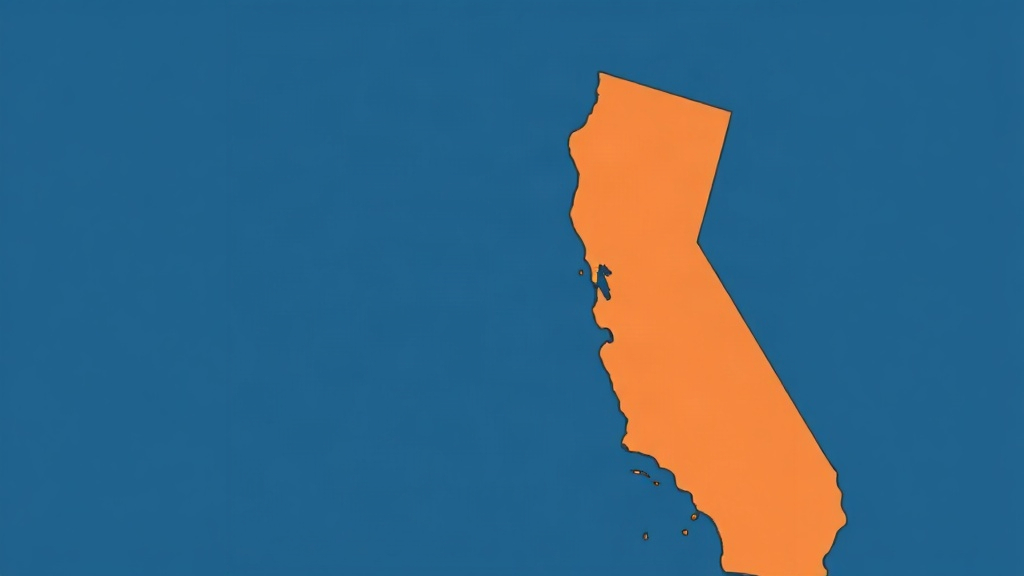
California is entering the heart of its wet-weather pattern with a jolt. A powerful system is sweeping through the state, bringing heavy rain, mountain snow and gusty wind. Thousands of customers have already lost power, and forecasters are calling this the strongest storm of the season for much of Southern California, with flood impacts expected to climb as the rain piles up.
What the Storm Is Bringing
The storm is hitting different parts of the state in different ways. In Northern California and the Sierra Nevada, the mix of rain, snow and wind is knocking down limbs and power lines, which explains the outages reported across the region. Higher elevations are seeing snow, so mountain travel is becoming difficult, and chain controls and temporary closures are common on major passes during systems like this.
Farther south, the concern is rainfall totals. Coastal areas, valleys and foothills across Southern California are expected to get a thorough soaking. Intense bursts of rain can overwhelm storm drains, flood underpasses and turn ordinary commutes into slow, hazardous crawls.
Why Flooding Is a Bigger Threat Early in the Season
Early-season storms can be especially tricky in California. After long dry stretches, soils are often hard and less absorbent, so water runs off quickly instead of soaking in. Roads also carry a buildup of oil and debris that makes the first heavy rains slick.
Hillsides scarred by past wildfires deserve special attention. Without vegetation to hold the soil, even moderate rainfall can trigger mud and debris flows that move fast and with little warning. Residents near recent burn areas should watch for evacuation warnings and take them seriously. Storms like this one are a reminder that wildfire risk and flood risk are closely linked in this state.
How to Prepare and Stay Safe
A little preparation goes a long way when a strong system arrives. Consider these steps:
- Charge essentials now. Phones, power banks and flashlights should be ready before the wind picks up. Keep a battery-powered radio on hand. - Plan for an outage. Have water, nonperishable food, medications and warm layers within easy reach. If you rely on medical equipment that needs electricity, arrange a backup plan. - Report, don't touch, downed lines. Treat every fallen wire as live and stay well away. Call your utility or emergency services. - Avoid flooded roadways. Just a foot or so of moving water can float a vehicle. "Turn around, don't drown" is advice that saves lives every year. - Check your drainage. Clear leaves from gutters, storm drains and downspouts near your home, and consider sandbags if you live in a low-lying spot. Many cities offer them at no cost during storm events. - Monitor official alerts. The National Weather Service, county emergency offices and your local utility provide the most reliable real-time updates.
The Bigger Picture for the Golden State
Storms like this one underline how much California's weather swings between extremes. Heavy precipitation is welcome for reservoirs, snowpack and drought recovery, and a strong start to the wet season can ease worries about water supply. But the same storms test aging infrastructure, stress the power grid and challenge communities that have already been through wildfires and flooding.
That tension explains why utilities, cities and emergency agencies put so much effort into readiness, from pre-positioned crews to public alerts. It also means residents play a real part. Knowing your evacuation routes, signing up for local alerts and keeping a basic emergency kit stocked make a difference when conditions change quickly.
What to Expect Next
Once the heaviest bands move through, the danger doesn't vanish immediately. Rivers and creeks can keep rising after the rain slows, saturated hillsides remain unstable, and trees weakened by wind can fall hours later. Power restoration may also take time in hard-hit or mountainous areas, especially where crews have to wait for safe working conditions.
If you're traveling, check road conditions before leaving, allow extra time, and keep your gas tank at least half full. If you can stay off the roads during the peak of the storm, that is the safest choice.
California has weathered plenty of storms, and each one offers the same lesson: respect the forecast, prepare early and look out for neighbors, especially older adults and anyone with limited mobility. With a few smart precautions, most households can get through this latest system safely and enjoy the benefits that a wet winter can bring.