Hollywood Jobs and Politics: Trump's Plans, Newsom's Tax Credits, and the Future of Film Production
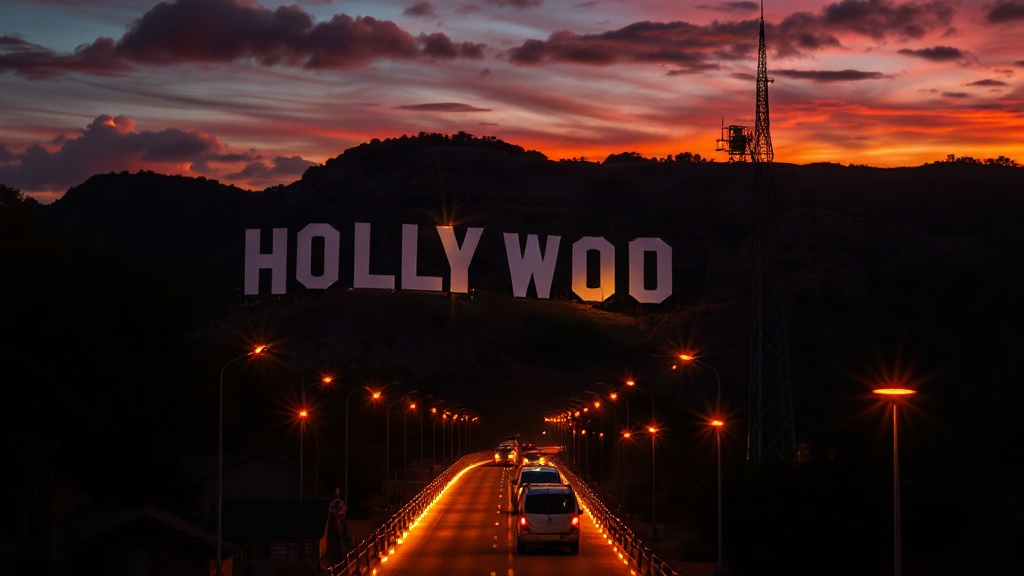
Hollywood has always been as much a state of mind as a zip code, but right now the conversation around it is intensely practical. Who gets hired, where cameras roll, and which politicians get credit for keeping production alive have become headline material. A fresh round of political back-and-forth, with Donald Trump laying out his plans for Hollywood jobs while taking aim at Governor Gavin Newsom, shows how central the entertainment workforce has become to the national debate.
Why Hollywood Jobs Are a Political Issue
For years, production work has been drifting toward places that offer richer incentives, including Georgia, New York, the United Kingdom, Canada, and Eastern Europe. Crew members who once counted on steady work in Los Angeles have faced long gaps between gigs, and the ripple effects have hit caterers, equipment rental houses, set builders, and local businesses that depend on active soundstages.
That is why the topic keeps resurfacing in political speeches. Trump has previously floated the idea of tariffs on foreign-made films, while California has responded by significantly expanding its own tax credit program to lure productions back. Whatever side of the argument you land on, both approaches reflect the same truth: entertainment is a major employer, and elected officials know it.
The Real Challenges Behind the Soundbites
Political messaging tends to reduce a complicated industry to a single talking point. In reality, several forces are shaping where and how projects get made:
- Streaming contraction: After a spending frenzy, streamers have become more disciplined, ordering fewer series and trimming budgets. - Consolidation: Studio mergers and restructuring have reduced the number of buyers for new projects. - Labor agreements: Recent union negotiations reshaped expectations around pay, residuals, and new technology. - Technology: Virtual production and digital tools are changing which jobs exist and where they can be done.
Tax credits and tariffs may nudge decisions at the margins, but producers also weigh crew depth, studio infrastructure, and the simple convenience of shooting near writers, editors, and post-production houses. Los Angeles still has an unmatched concentration of all of these, which is why many in the industry believe a rebound is possible if costs and incentives line up.
The Enduring Pull of Hollywood Glamour
While the business side grabs attention, the cultural side of Hollywood keeps its grip on audiences. A good example is the recent spotlight on Bo Derek, who is celebrating her 70th birthday with an interview reflecting on a career that began with her breakout role in the film *10*. Her reflection, "It all worked out, didn't it?", captures something that fans love about veteran stars: perspective earned over decades in an industry known for volatility.
Stories like hers matter because they remind us that Hollywood is built on longevity as much as novelty. Audiences are drawn to performers who have weathered shifting trends, changing studio systems, and the constant churn of public opinion. In an era when streaming algorithms and viral clips can make or break a career overnight, a lasting legacy feels almost radical.
What Audiences and Workers Should Watch
If you follow the industry, a few developments deserve attention in the months ahead:
1. How incentives perform. Watch whether expanded tax credits translate into more shooting days in Los Angeles and around California. 2. Federal proposals. Any concrete policy on foreign productions would likely draw intense responses from studios, unions, and international partners. 3. Theatrical strength. Box office performance continues to influence which projects get greenlit and how big they are allowed to be. 4. Talent-driven storytelling. Established stars and filmmakers are increasingly shaping their own projects, often through independent financing.
A Town That Keeps Reinventing Itself
Hollywood has survived the arrival of sound, television, home video, and streaming, and each shift forced it to rethink its economics without losing its appeal. The current moment, with politics, production costs, and technology all colliding, is another test of that adaptability.
For workers, the stakes are paychecks and stability. For fans, they are the stories that reach screens and the people who bring them to life. And for a town that treats reinvention as a tradition, the next chapter will likely be written by a mix of policy decisions, creative risk-taking, and the timeless star power that keeps people watching.