Hollywood's Changing Power Rankings: GTA VI Tops Nolan's The Odyssey as Creators Like Alix Earle Rise
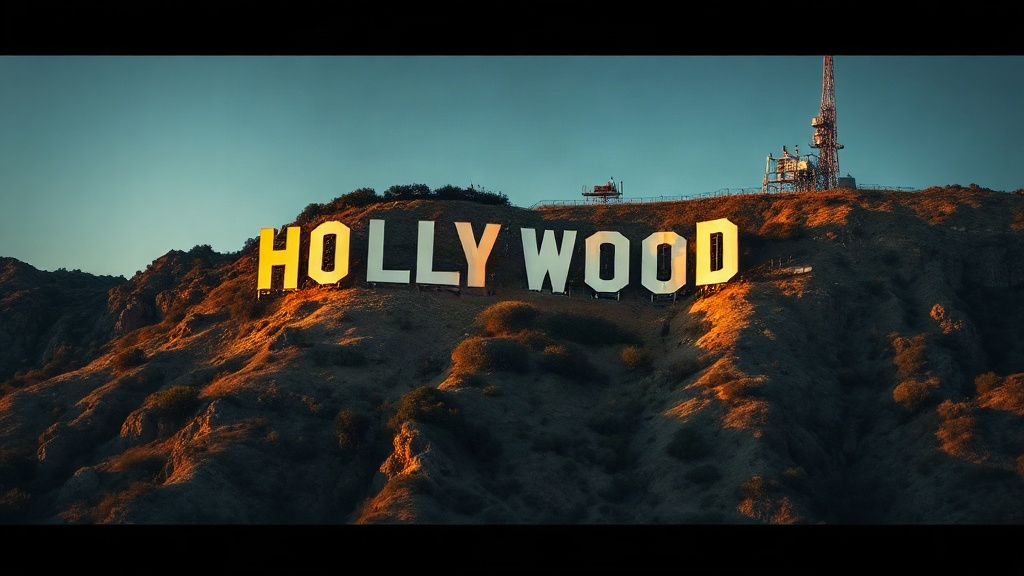
Hollywood has always measured its power in box office numbers, awards-season buzz and the sheer gravity of its biggest stars. This week's headlines suggest those yardsticks are being redrawn. A video game launch is being compared directly with a Christopher Nolan epic, a TikTok personality is being profiled as a future beauty mogul, and one of the most popular newspaper puzzles of the week is built around the entertainment capital itself. Together, they show an industry that remains a cultural touchstone while competing for attention on far more fronts than before.
When a Video Game Outpaces a Nolan Epic
The Hollywood Reporter recently noted that sales of *Grand Theft Auto VI* have already surpassed the earnings of Nolan's *The Odyssey*. A director known for turning theatrical releases into events now finds his film measured against an interactive blockbuster.
The comparison is not entirely apples to apples. A game is sold once per player at a premium price, while a film earns revenue ticket by ticket, over a limited run, with the studio sharing a cut with theaters. Even so, the symbolism is hard to ignore. For years, the entertainment business has talked about gaming as a rival for leisure time. Now that rivalry shows up in the same trade coverage, in the same conversation about what counts as a hit.
For studios, the takeaway is less about panic and more about strategy. Franchise storytelling, cinematic production values and star-driven marketing are no longer exclusive to the screen. Game publishers hire A-list voice and motion-capture talent, produce trailers that rival film teasers, and launch with the kind of global fanfare that used to belong to summer tentpoles. Hollywood, in turn, keeps mining games for adaptations, hoping to capture a slice of that devoted audience.
The Creator Economy Heads for the Beauty Aisle
The second story shaping the conversation involves Alix Earle. The Hollywood Reporter's profile frames the TikTok star as beauty's next billion-dollar mogul, a title once reserved for celebrity founders with film or music careers behind them.
That shift matters. Think of the path laid by actors and pop stars who turned their fame into cosmetics and skincare empires. The new playbook starts with a phone, a personality and a loyal audience. Creators build trust through daily, unpolished content, then convert that trust into product lines that feel personal rather than corporate.
Hollywood's relationship with these creators is increasingly collaborative. Brands want their reach, studios want them at premieres and in marketing campaigns, and talent agencies are signing them alongside traditional actors. The line between "influencer" and "celebrity" has blurred to the point where it barely registers with younger audiences.
Hollywood as a Shared Pastime
Not every story this week is about money and market share. The New York Times offered readers a Hollywood-themed special crossword puzzle, a reminder that the industry's appeal lies in more than its financial results. Puzzles built on movie titles, legendary stars and film trivia tap into something durable: people love to feel they are in on the story.
That affection helps explain why Hollywood keeps its cultural grip even as its business model is challenged. Audiences still quote lines from classic films, debate the greatest performances and follow awards season with a fan's enthusiasm. Whether the medium is a crossword, a streaming queue or a trailer drop, the fascination with movies and the people who make them remains remarkably steady.
What These Stories Reveal About the Industry
Taken together, these headlines sketch a simple but important picture of where Hollywood stands today:
- Competition is broader. Films now vie for attention with games, social platforms and creator-led brands, not just other movies. - Fame is more fluid. Stardom can begin on a short-form video app and expand into retail, beauty and entertainment. - Event status is earned across media. A launch can feel like a blockbuster whether it arrives in a theater or on a console. - Nostalgia and trivia still sell. Classic Hollywood and modern franchises alike continue to fuel conversation.
For filmmakers and executives, the opportunity lies in meeting audiences wherever they spend their time. That means pairing big-screen spectacle with smart cross-platform marketing, embracing creators as partners rather than outsiders, and treating interactive entertainment as a peer rather than a distant cousin.
Hollywood is not shrinking so much as spreading out. Its stories, stars and style now live in game consoles, social feeds and even the daily puzzle page, and the studios that understand that reach will be best placed to shape what audiences watch, play and talk about next.