Los Angeles is quietly reinventing how Angelenos live, move, and gather. As neighborhoods rethink streets, parks, and transit, the city is becoming more walkable, greener, and easier to explore without a car. Whether you’re a longtime resident or visiting for a weekend, these shifts are changing the way people experience LA.
Making streets work for people
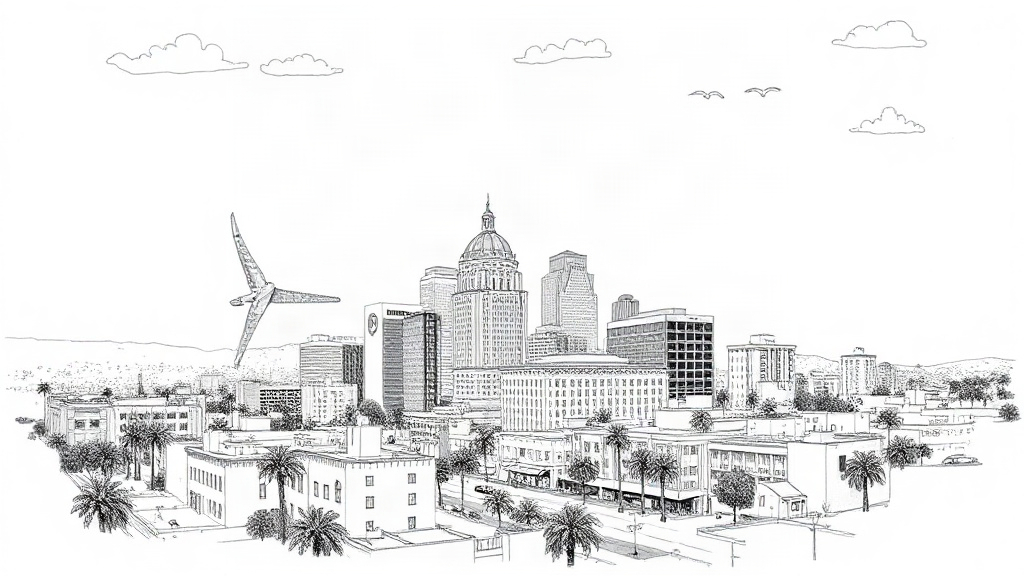
Many neighborhoods are shifting from car-first design to people-first streets. Pop-up parklets and widened sidewalks near cafés and shops turn curbside parking into public breathing room. Open-streets events temporarily close thoroughfares to cars, encouraging walking, cycling, and community programming. These experiments often turn into lasting improvements—planted medians, better crosswalks, and traffic-calming measures that make daily errands and evening strolls more pleasant.
Transit expansion and smarter connections
Public transit in Los Angeles is expanding its reach with new rail lines and faster bus corridors that connect core neighborhoods, job centers, and cultural districts. Integrated bike-share and scooter programs help bridge the “last mile” between transit stops and final destinations. For visitors, that means a simpler, more user-friendly way to see the city beyond the freeway: take a train to a cultural hub, hop on a shared bike for a riverside ride, and grab a bite at a local market without circling for parking.
Parks, the LA River, and urban nature
Parks are being reimagined as climate-resilient community assets. Projects along the LA River are creating continuous greenways for walking, biking, and habitat restoration, while neighborhood pocket parks provide shaded places to meet and play. Urban forestry initiatives and drought-tolerant landscaping help cool neighborhoods, reduce runoff, and make outdoor spaces more comfortable during warm spells.
Community gardens and edible landscapes invite residents to grow food, learn gardening skills, and strengthen neighborhood ties.
Creative reuse and neighborhood revitalization
Historic streets and underused storefronts are finding new life as mixed-use spaces: galleries, shared workspaces, pop-up shops, and food halls.
Revitalized main streets emphasize local businesses, pedestrian comfort, and nighttime activation—live music, outdoor dining, and markets that make evening strolls feel safe and vibrant. Adaptive reuse projects preserve architectural character while introducing modern amenities that support small business growth.
Practical tips for experiencing the new LA
– Choose multimodal routes: mix transit with walking or micromobility to explore different neighborhoods without worrying about parking.
– Time outings for cooler hours: mornings and evenings are most pleasant for walking or biking.
– Check local neighborhood calendars: open-streets events, farmers markets, and park programming are great ways to discover community life.
– Support local businesses: small cafés, independent shops, and food stalls often anchor the best public-space improvements.
– Respect shared spaces: follow bike-lane etiquette, keep dogs leashed where required, and pack out what you pack in.
Why it matters
These changes aren’t just aesthetic—better-designed public spaces improve health, reduce car dependence, support local economies, and make everyday life more enjoyable. LA’s evolving streets and parks are inviting people to slow down, connect, and discover new corners of the city.
Whether you’re commuting, exploring, or just looking for a quieter block to read on a bench, the city’s public-space renaissance offers fresh ways to experience LA.