LA News Roundup: Landfill Geyser, LA River Monitoring, Brewery Closure, and a Dancing Chase Suspect
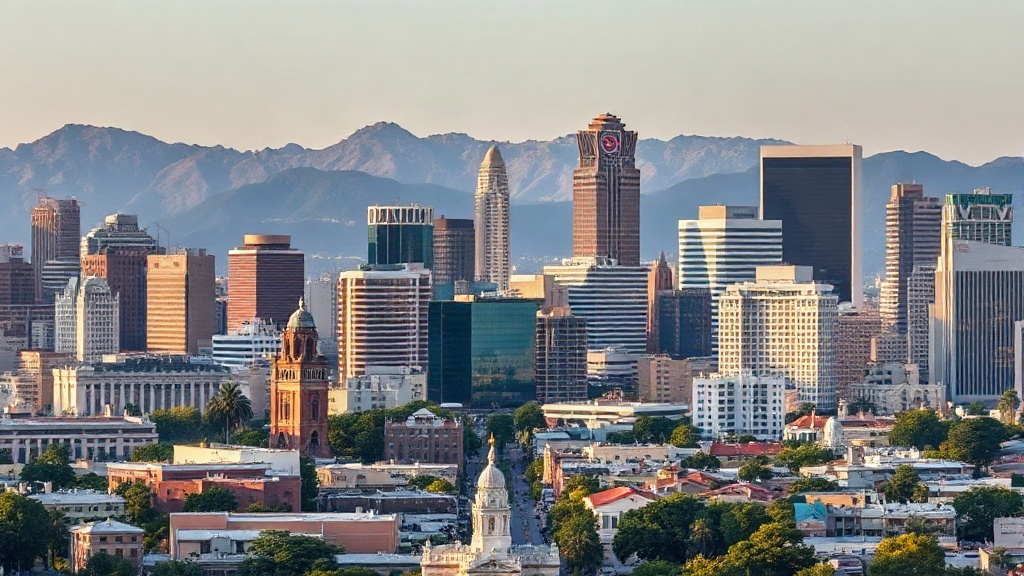
Los Angeles rarely has a quiet news day. Recent headlines range from an odd environmental emergency at a county landfill to a police chase that ended with a suspect dancing, plus a beloved craft brewery calling it quits and a city council weighing the health of the Los Angeles River. Together, they say a lot about how this sprawling region lives, works, and manages its resources.
A Landfill Eruption Puts Waste Infrastructure in the Spotlight
One of the most striking recent stories involves a towering geyser of rotting garbage erupting at an LA County landfill, prompting a hazardous materials response. Details continue to develop, but the incident is a reminder of how much complexity sits behind something most residents never think about once the bin is rolled to the curb.
Landfills are engineered systems. Decomposing waste produces gas and liquid byproducts that have to be captured, monitored, and treated. When pressure builds or containment is stressed, the results can be dramatic and unpleasant. For nearby neighborhoods, the concerns are practical: odors, air quality, and whether any runoff could reach surrounding areas.
For a county with millions of residents, the episode raises a familiar question about how Southern California handles its trash. Waste reduction, organics diversion, and recycling programs are not just feel-good policies. They reduce the load on the facilities that keep the region running.
The Los Angeles River Gets Another Look
Water quality is also on the agenda. Pasadena's City Council is set to consider a $389,283 agreement tied to Los Angeles River water quality monitoring. It may not make for flashy headlines, but this is the kind of local decision that shapes environmental outcomes over time.
The LA River has a complicated identity. It was long known as a concrete flood channel, but it is increasingly seen as a resource worth restoring, with bike paths, parks, and habitat projects along its length. Reliable data is the foundation of that work. Monitoring tells agencies what pollutants are present, where they come from, and whether cleanup efforts are paying off.
Because the river and its tributaries cross many city boundaries, regional cooperation matters. Stormwater runoff from one community ends up in another, so a monitoring agreement in one city can have effects well beyond its borders.
A Brewery Closure Hits the Craft Beer Scene
On the business side, news that a popular Californian brewery is set to close will resonate with anyone who has spent a weekend afternoon at a taproom. Southern California helped build the craft beer movement, and local breweries have become community gathering spots as much as production facilities.
Still, the economics have grown tougher. Rising rents, ingredient and packaging costs, labor expenses, and shifting consumer habits have squeezed independent operators. A crowded market and changing drinking trends add pressure. When a well-known name shuts down, fans often rush in for a last pint, a reminder that supporting local businesses works best before the closing announcement.
Only in LA: The Chase That Ended in a Dance
Then there is the story that feels almost too Southern California to be true. A stolen car suspect reportedly danced after a police chase came to an end. Live pursuit coverage has long been a fixture of LA television, and these chases tend to produce surreal final scenes.
The moment is darkly amusing, but it sits alongside serious issues, including vehicle theft, public safety risks during pursuits, and ongoing debate about when chases are worth the danger. The spectacle may go viral, yet the broader conversation is about balancing accountability with the safety of everyone on the road.
What These Stories Reveal About LA
Read side by side, these headlines show a region constantly juggling big systems and small-scale culture. Waste management, river stewardship, small business survival, and public safety all compete for attention in a place where scale magnifies every issue.
For residents, the takeaway is simple. Staying informed about local decisions, from council agenda items to landfill oversight, makes it easier to see how daily life connects to larger infrastructure. And while Los Angeles may always produce a few head-scratching moments, the quieter stories about water, waste, and local business often matter most in the long run.