Los Angeles Park Fencing Debate and Remembering Steve Harvey's "Only in LA" Column
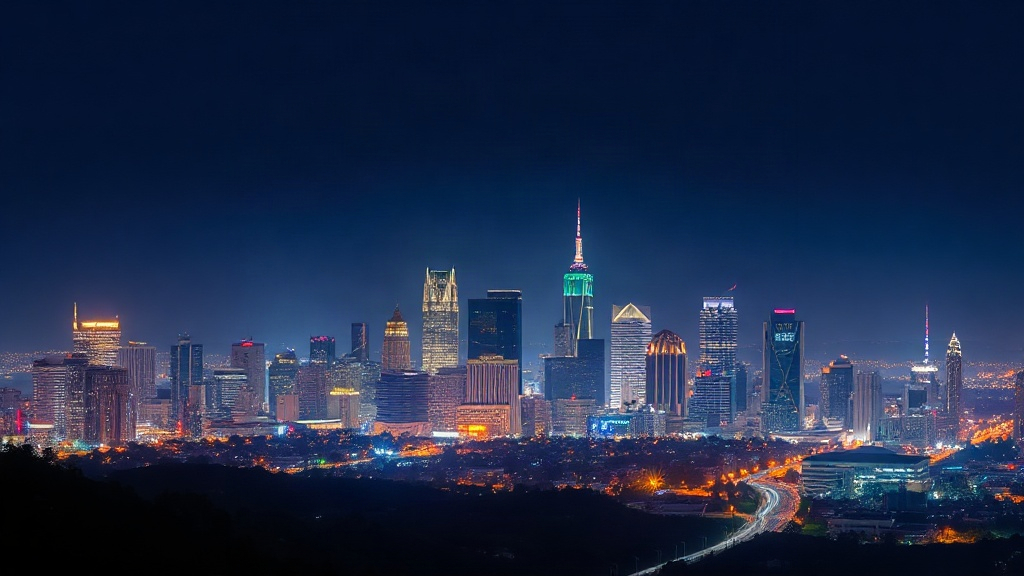
Los Angeles has always been a city of contradictions: sun-soaked and stressed, glamorous and gritty, enormous and surprisingly intimate. Two stories making the rounds this week capture that tension well. One is about a public park, and the other is about a writer who spent decades finding the humor in the city's oddities.
A Park at the Center of a Citywide Debate
According to reporting from The New York Times, Los Angeles officials are moving to fence off a park that has come to symbolize the city's struggles. Few proposals reveal as much about a city's priorities as a decision to put a barrier around a public green space.
Parks matter more in Los Angeles than in many other major cities. The region has long had less park space per resident than comparable metropolitan areas, and access is uneven from neighborhood to neighborhood. For many residents, especially those in dense, lower-income areas without backyards, a public park is the living room, the playground, the gym, and the gathering place.
That is why the debate is so charged. Supporters of temporary closures and fencing usually point to safety, sanitation, and the need to repair damaged landscaping and facilities. Critics worry that closing a park displaces vulnerable people without solving the underlying problems, and that it takes a shared resource away from the families who depend on it.
The honest answer is that both concerns are real. Fencing a park can create a window for cleanup and restoration, but it works only if it is paired with outreach, housing options, and a clear timeline for reopening. Without those pieces, a fence moves a problem a few blocks down the road.
What Success Would Look Like
Residents watching this unfold are likely to judge the effort on a few practical questions:
- Is there a reopening plan? A defined timeline builds trust that the closure is a repair job and not a permanent loss. - Are services in place? Mental health care, shelter referrals, and outreach teams determine whether people end up better off. - Will the park actually change? Better lighting, maintained restrooms, programming, and a steady staff presence tend to keep a space active and welcoming over time. - Is the community involved? Neighbors, local businesses, and park users often know what works long before a project reaches the planning stage.
Remembering the Voice Behind "Only in LA"
The news cycle also brought word that Steve Harvey, the dry-witted writer behind the long-running "Only in LA" newspaper column, has died. For many Angelenos, his column was a small daily ritual, a way to see the city's absurdities, coincidences, and strange little signs as part of its charm and not just its chaos.
The "Only in LA" idea endures because it fits the place so well. This is a city where a film shoot can close your street, a billboard can turn into a conversation, and a typo on a sign can become local folklore. Harvey's gift was noticing those moments and presenting them with a deadpan restraint that let readers laugh with the city and not at it.
His work is a reminder that local journalism is not only about big investigations and breaking news. It is also about paying attention to the texture of everyday life, which is what makes a place feel like home.
A City Worth Paying Attention To
Put side by side, the park debate and the tribute to a beloved columnist say something about Los Angeles right now. The city is wrestling with serious questions about public space, safety, and compassion, while its residents hold on to the humor and curiosity that make it distinctive.
Both matter. A city that cannot laugh at itself loses some of its spirit, and a city that cannot face its hardest problems loses its footing. The challenge for Los Angeles in the months ahead is to do both: keep noticing the quirks that make it unlike anywhere else, and keep working on making its shared spaces places where everyone can belong.