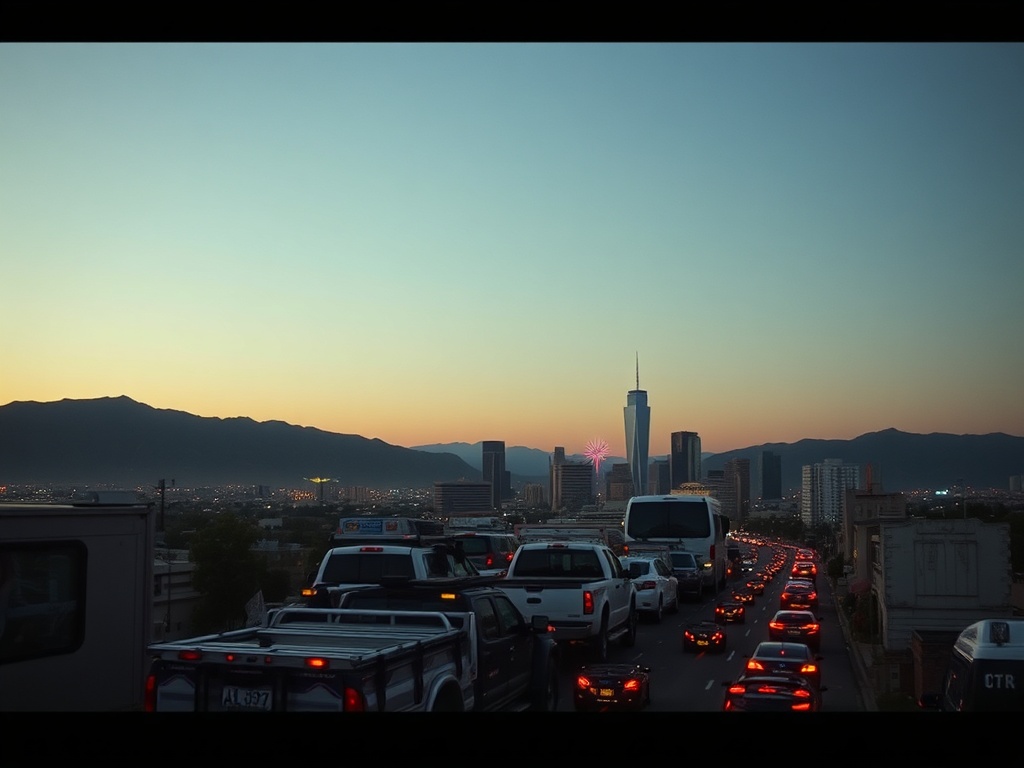
Los Angeles streets are changing — and the shift matters for anyone who lives, works, or visits here. Once synonymous with endless freeways and long commutes, the city is steadily reshaping its public realm to prioritize people over pavement. That transition touches transportation, public space, safety, and neighborhood life.
Why the shift matters
Prioritizing active transportation and transit makes neighborhoods more walkable, reduces congestion, and supports small businesses by turning curbside space into places where people linger.
Health, climate, and economic benefits follow: safer streets lower crash-related injuries, fewer car trips mean cleaner air, and streets that invite foot traffic boost retail and dining.
Key ways LA is transforming streets
– Protected bike lanes: More physically separated bike lanes are appearing across central neighborhoods and connecting to major destinations. These lanes make cycling a realistic option for a wider range of riders, including families and commuters who previously avoided street riding.
– Transit upgrades: Faster, more reliable bus and rail service is being rolled out on priority corridors.
Bus-only lanes, traffic signal priority, and upgraded stations reduce delays and improve the transit experience for riders.
– Reimagined curb space: Parking spots are being retooled into parklets, bike corrals, and outdoor seating.
That flexible use of the curb encourages local dining and creates small public squares where communities gather.
– Vision Zero and safer intersections: Street design strategies like tighter corner radii, pedestrian refuge islands, and clearer crosswalks are reducing crash risk.
Neighborhood slow zones and traffic-calming measures help improve safety in residential areas.
– Shared streets and plazas: Pop-up pedestrian plazas and permanent shared streets give people space to socialize, exercise, and shop outside.
These interventions often start as temporary pilots and become permanent when communities embrace them.
Practical tips for getting around
– Use a transit app to plan trips and check real-time arrival times.
Combining light rail or rapid bus with walking or micro-mobility can be faster than driving during peak hours.
– For short trips, consider a bike or e-bike. Look for protected lanes and quieter parallel streets, and always use lights after dark.
– Respect curb rules.
New loading zones, micromobility parking, and outdoor dining areas change how curb space is used — following signage helps keep things orderly.
– Stay informed about local pilots and community meetings.
Many projects begin as trials and evolve with resident input.
How neighborhoods can stay engaged
Change happens more smoothly when residents and businesses collaborate.
Attend neighborhood council meetings, submit public comments on pilot projects, and support local business owners who adapt to street changes. Small, consistent feedback often shapes permanent solutions.
Designing for equity
A people-first street network should prioritize historically underserved neighborhoods. Investments that improve transit access, safe walking routes, and biking options in communities that have long faced disinvestment create more balanced mobility opportunities across the city.
A livable street network is within reach
Transforming Los Angeles streets is an ongoing process of experimentation, community input, and design improvements. As more corridors become safer and more welcoming for walking, biking, and transit, the whole city benefits: quieter neighborhoods, healthier residents, and vibrant commercial corridors.
Whether commuting, running errands, or exploring, the evolving streetscape offers new ways to experience the city more sustainably and enjoyably.