Original Pantry Cafe Returns to Downtown LA as the LAPD Warns Olympic Security Could Cost $4 Billion
Los Angeles has a habit of reinventing itself without fully letting go of its past. Two stories this week capture that tension well: the return of a century-old Downtown diner, and a sobering look at what it will cost to keep the city safe when the world arrives for the Summer Olympics.
A Downtown Icon Gets a Second Act
Few restaurants say "old Los Angeles" like the Original Pantry Cafe. Located at the corner of Figueroa and 9th, the diner earned its reputation on huge portions, checkered-tablecloth simplicity, and a long-standing tradition of serving around the clock. Politicians, jurors, sports fans, and night-shift workers all shared its counter and its long lines.
According to reports from Eater Los Angeles and KTLA, the landmark is now back in business, and this time it comes with a new mission. That framing matters. The reopening isn't just a nostalgia play. It suggests a restaurant trying to find a purpose that fits the Downtown of today, not the one it served for decades.
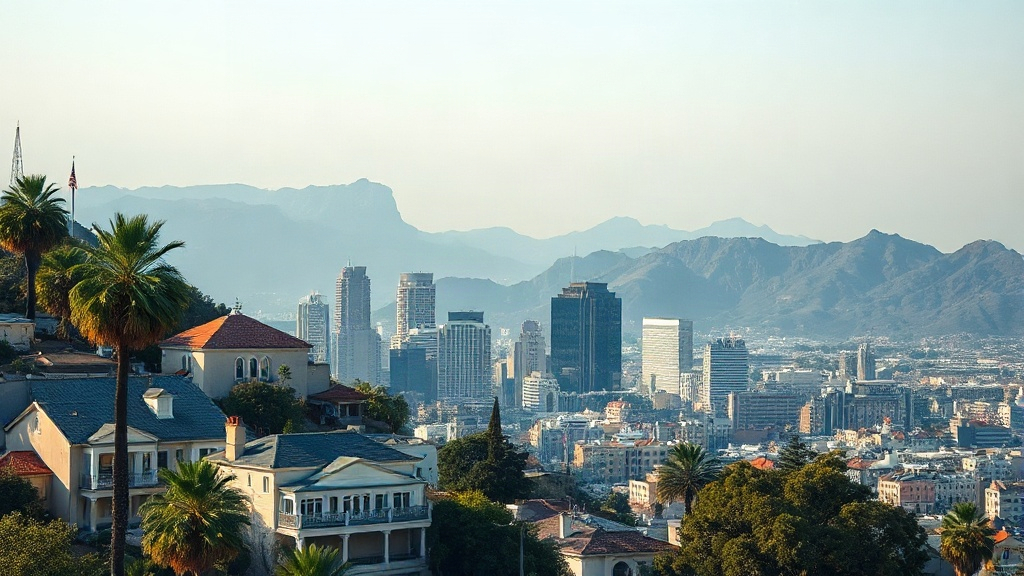
That Downtown has changed considerably. Residential towers, a busy arena district, and a growing arts and dining scene have reshaped the neighborhood around the diner. At the same time, the area continues to wrestle with homelessness, office vacancies, and uneven foot traffic. A restaurant with deep roots and a new sense of purpose could be the kind of anchor the neighborhood needs.
Why Legacy Restaurants Matter
Angelenos tend to treat their old-school dining rooms as civic infrastructure. Places like Musso & Frank, Philippe the Original, and Cole's carry the city's memory in a way new openings can't. When one of them goes dark, it feels like losing a chapter of local history. When one comes back, it feels like a small win for the city's identity.
For visitors, these spots offer something an app-recommended trendy bistro often can't: a sense of place. With millions of guests expected as the Olympics approach, authentic landmarks like this will likely draw as much attention as any new development.
The Olympic Security Bill Comes Into Focus
Alongside the feel-good restaurant news came a far more sobering headline. The LAPD chief has said that policing the upcoming Los Angeles Olympics could cost as much as $4 billion, a figure that far exceeds the funding currently identified for public safety.
That gap raises hard questions for city leaders. Large-scale events require crowd management, counterterrorism planning, traffic control, and coordination across federal, state, and local agencies. Add the geography of a spread-out host region, with venues stretching across the county, and the logistics become even more complex.
The city is also working under tight budget constraints. Balancing existing public safety needs with Olympic preparations will test City Hall, and residents will likely hear more about who foots the bill, whether through federal support, state assistance, or local dollars.
What It Says About LA Right Now
Put the two stories side by side and a portrait of the city emerges. On one hand, there's resilience and affection for the places that give Los Angeles its character. On the other, there's the weight of big ambitions, with global spotlights and billion-dollar price tags.
Both stories point to the same reality: Los Angeles is preparing for a major moment while trying to protect what makes it distinctive. The challenge for the coming months will be funding the infrastructure and security a global event demands without losing the neighborhood touchstones that make the city feel like home.
For anyone planning a trip Downtown, a plate of eggs and hash browns at a revived classic is a good way to start. Just expect a wait, because some LA traditions never change.