Venice Beach in the Holiday Season: Things to Do, Local Culture, and Parking Tips
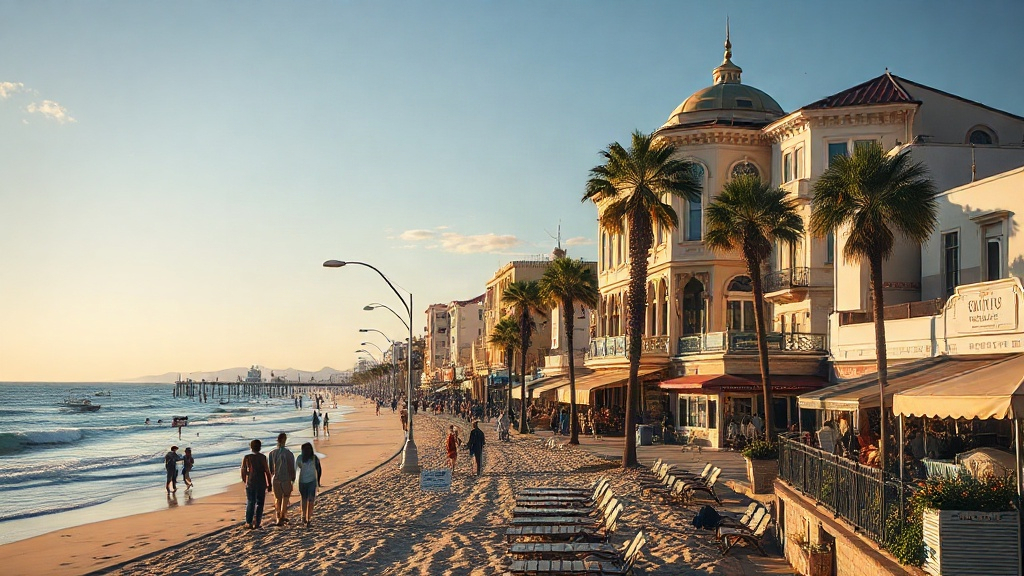
Venice Beach has always worn its contradictions proudly. It's a place where bodybuilders, street performers, skaters, surfers, tech workers and longtime residents share a few square miles of sand, canals and boardwalk. As the holiday season settles in, the neighborhood is showing why it remains one of Los Angeles' most visited and most talked-about corners.
A Quieter, Cozier Side of the Boardwalk
Summer crowds get the headlines, but late fall is arguably the best time to experience Venice. The beach is calmer, the light is golden and low, and sunset arrives early enough to make a post-work stroll realistic. Parking is easier to find, and lines at local favorites tend to be shorter.
Recent Westside weekend roundups have highlighted this mix of seasonal activities, pairing beach-themed literature events with art outings and holiday lights. That blend suits Venice well. A morning browsing books by the ocean, an afternoon at a nearby museum and an evening walking through twinkling streets is a full day without a single theme park ticket.
Venice and Its Creative Pulse
Venice has long been a magnet for artists, writers and musicians, and that energy hasn't faded. Live performance continues to thrive in unconventional spaces, from galleries and studios to pop-up venues tucked off the main thoroughfares. Recently, the experimental group Captains of Entropy performed in Venice as part of a "Neighborhoods" series, a reminder that the area still draws adventurous, genre-bending acts that fit its offbeat identity.
For visitors, the takeaway is simple: look beyond the boardwalk. Side streets and small venues often reveal the neighborhood's real character. Check local listings, wander down Abbot Kinney Boulevard and Rose Avenue, and stay open to whatever's happening that evening.
Parking, Housing and the Bigger Neighborhood Conversation
Not every Venice story is about art and sunsets. Transportation and development remain constant topics of discussion, and a recent decision in neighboring Culver City is a good example. The city has moved to cap parking for new buildings near Venice, a policy shift that reflects a broader push toward walkable, transit-friendly growth. Supporters argue that limiting parking can lower construction costs and encourage alternatives to driving. Critics worry about spillover into already crowded residential streets.
Anyone who has circled Venice looking for a spot knows why this matters. The area's parking squeeze is legendary, and regional policy changes can ripple across city lines. If you're planning a visit, it's smart to prepare accordingly:
- Consider rideshare, a bike or a scooter for the final stretch. - Check posted signs carefully, since restrictions vary block by block. - Use public lots early in the day, especially on weekends. - Explore transit options connecting the Westside to the coast.
What to Do on a Venice Weekend
If you're building an itinerary, a few classic stops never go out of style:
- The Venice Canal Historic District: Peaceful footbridges, waterfront homes and ducks gliding along the water make this one of the most photogenic walks in Los Angeles. The canals are especially charming when holiday lights go up. - Muscle Beach and the Skate Park: Free, loud and endlessly entertaining, both are quintessential Venice. - Abbot Kinney Boulevard: Independent boutiques, coffee shops and restaurants make this a favorite for browsing and long lunches. - Sunset at the shoreline: Cooler months deliver some of the year's most vivid skies over the Pacific.
Why Venice Keeps Drawing People In
What sets Venice apart isn't any single attraction. It's the feeling that anything might happen on a given afternoon. The neighborhood balances tourism with a stubbornly independent local culture, and it keeps evolving as debates over housing, mobility and growth play out nearby.
Whether you come for a book event, a live show, a long walk along the canals or simply a front-row seat to the Pacific sunset, Venice rewards curiosity. Arrive with comfortable shoes, a flexible plan and a willingness to wander, and the neighborhood will usually supply the rest.