Los Angeles is changing how people move around the region. Long known for car culture and sprawling freeways, the city now blends big transit projects with micromobility, aimed at making commutes faster, greener, and more convenient for residents and visitors alike.
Bigger transit where it matters
LA’s rail and bus network has expanded steadily, with new and extended lines improving connections between neighborhoods that were once hard to reach without a car. Rapid bus corridors and upgraded light-rail services bring more frequent, reliable options to dense corridors.
Transit agencies are also modernizing fare systems to accept contactless and mobile payments, simplifying transfers across providers and reducing the friction of multi-modal trips.
Micromobility and first/last-mile solutions
E-scooters, dockless bikes, and shared e-bikes have become essential for closing the gap between transit stops and final destinations. Cities across the region continue to refine rules and designated parking zones to keep sidewalks clear while supporting micro-transportation growth. For short trips in dense neighborhoods, micromobility is often faster than driving and cheaper than rideshares.
Protected bike lanes and safer streets
Vision Zero initiatives and street redesigns are increasing the number of protected bike lanes and pedestrian-friendly corridors.
These changes prioritize safer, calmer streets in commercial districts and around schools, which encourages more people to walk, bike, or use scooters for short errands. Neighborhood-level improvements often pair street calming with landscaping and curb extensions to make public space more inviting.
Transit-oriented development and housing near stations
Density is concentrating near major transit hubs through mixed-use projects that combine housing, retail, and office space.
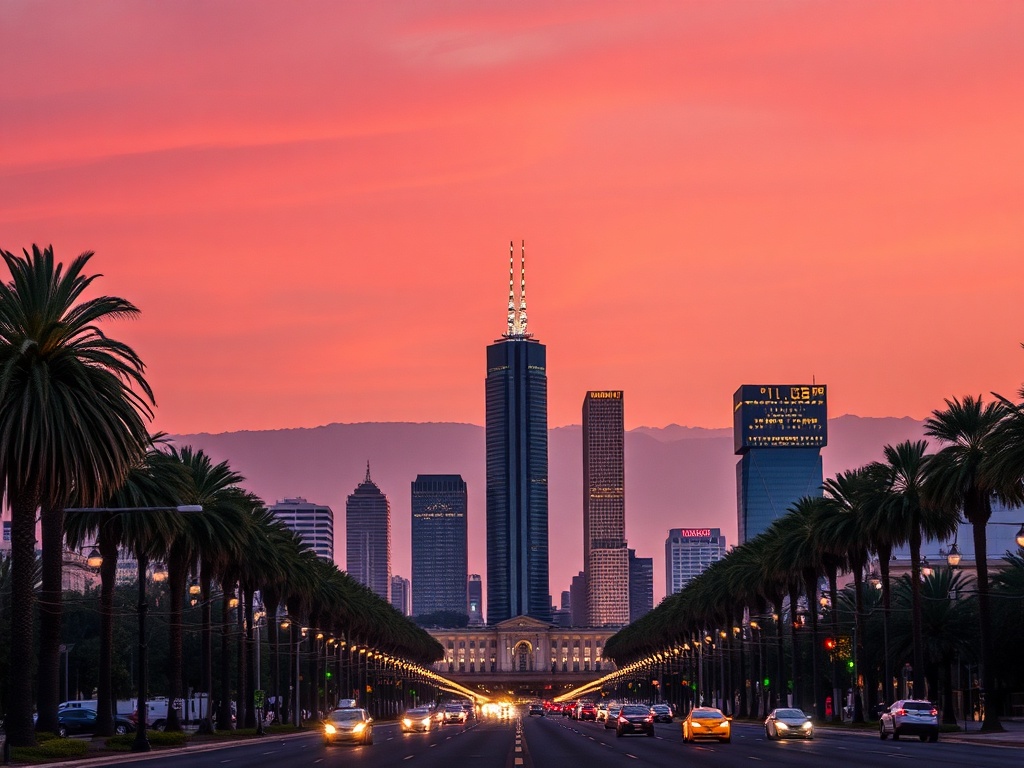
This approach supports shorter commutes and a live-work-play lifestyle, while also providing opportunities for affordable housing near public transit. These developments aim to reduce car dependency and create walkable communities around stations.
Smart planning and congestion management
Traffic remains a challenge, but smarter management—such as express lanes, signal optimization, and improved freight routing—helps ease bottlenecks.
Local leaders and transportation agencies are also exploring demand-management strategies to reduce peak congestion and encourage travel outside of the busiest hours.
Tips for getting around Los Angeles
– Use the transit apps: Real-time apps and trip planners combine rail, bus, and micromobility options to give the fastest routes and departure times.
– Tap and go: Carry a transit card or set up contactless mobile payments for seamless transfers across systems.
– Mix modes: Ride a train or rapid bus for the longest part of your trip, then use a bike-share or scooter for the last mile.
– Time your travel: Avoid peak rush windows when possible; midday and evening hours often offer faster and more pleasant trips.
– Park-and-ride: For suburban departures, park at a station with secure parking and complete your commute by rail to avoid downtown traffic.
What this means for residents and visitors
The shift toward integrated, multimodal transportation is making LA more accessible and sustainable. Whether you’re commuting to work, exploring neighborhood food scenes, or visiting major cultural hubs, new transit corridors and micro-mobility options give more choices beyond the car. Continued investment in safety, convenient payment systems, and transit-oriented neighborhoods will keep improving how people experience the region.
Expect travel in Los Angeles to keep evolving: more connections, smarter streets, and better last-mile solutions will continue reshaping daily life and making exploration across the city easier than ever.