Los Angeles is quietly reimagining public space.
Once defined by freeways and sprawling suburbs, LA is shifting toward people-first streets, pocket parks, and climate-resilient landscapes that make neighborhoods more livable, walkable, and economically vibrant.
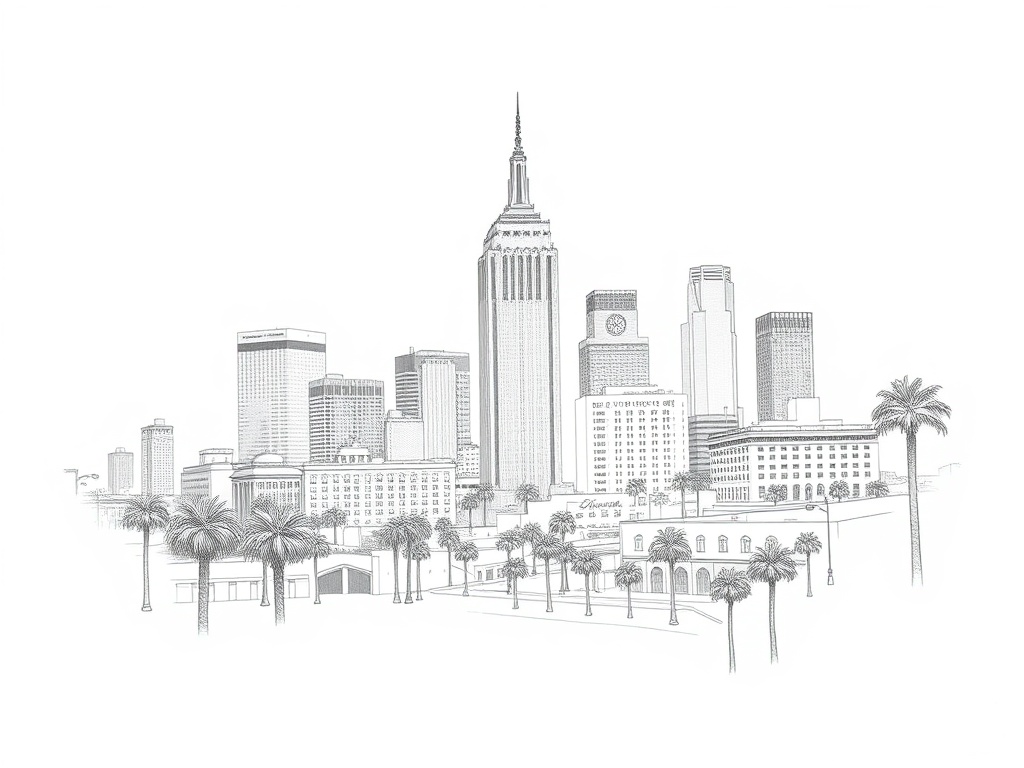
Why public space matters in LA
Public space shapes quality of life.
Streets and parks are where neighbors meet, children play, and local businesses thrive. With rising interest in outdoor dining, active transportation, and climate adaptation, LA’s public realm is becoming a vital tool for community health and economic recovery. Greener streets reduce urban heat, calm traffic, increase property values, and support local shops — all outcomes that neighborhoods across the city are pursuing.
Tactical urbanism and parklets
Small interventions can deliver big benefits. Parklets — curbside platforms with seating and planters — have appeared outside cafes and storefronts, creating outdoor seating that extends commerce and social life onto the sidewalk. Tactical urbanism projects, like temporary plazas and street festivals, test ideas before permanent investment, giving residents a chance to shape their streets.
Pedestrianization and car-light corridors
Several corridors are being rethought to prioritize people over cars. Converting underused lanes into pedestrian plazas or bike lanes fosters safer, more engaging streetscapes. These conversions encourage foot traffic, which benefits independent retailers and restaurants. They also support active transportation networks that connect transit hubs with neighborhoods, reducing the reliance on cars for short trips.
Parks as climate infrastructure
Parks are increasingly designed to do double duty: recreation and resilience.
Water-wise landscaping, native plantings, and bioswales help manage stormwater and reduce irrigation needs. Tree canopy expansion cools neighborhoods and improves air quality, addressing the urban heat island effect. Community gardens and flexible open lawns support health and food access while absorbing rain when storms arrive.
Equity-focused placemaking
Equitable public space is a priority. Efforts are being made to ensure underserved neighborhoods receive park investments, safer pedestrian crossings, and youth programming.
Community-led design processes put residents at the center of decision-making, aligning projects with local needs — from weekend markets to culturally relevant public art.
Adaptive reuse and small-business activation
Vacant lots and underused storefronts are becoming activation sites.
Pop-up markets, night bazaars, and artist studios turn idle spaces into economic engines. These short-term uses often lead to longer-term investments, proving demand and building local identity.
For small businesses, outdoor programming and plazas translate directly into more customers and longer stays.
How residents can get involved
– Join neighborhood councils or community design workshops to voice priorities.
– Support local small-business activation by shopping at pop-ups and dining in parklets.
– Volunteer with tree-planting groups and park cleanup events.
– Advocate for traffic-calming measures and protected bike lanes through public comment opportunities.
The reimagining of LA’s public spaces is ongoing and community-driven.
By blending tactical projects with longer-term infrastructure — and centering equity and climate resilience — neighborhoods across the city are becoming healthier, more vibrant places to live, work, and play.
Engaging with local projects is an immediate way to shape how streets and parks serve everyone.