Los Angeles is famous for sunshine, but the city’s many microclimates mean a single forecast won’t tell the whole story. Understanding how weather shifts across neighborhoods helps you pack smarter, plan activities with confidence, and enjoy more of what the region offers.
Why microclimates matter
The Pacific Ocean moderates coastal areas while inland valleys trap heat. Ocean breezes bring cool, foggy mornings to beach communities, while neighborhoods just a few miles inland can be markedly warmer and drier. Elevation plays a role, too: hills and canyons often stay cooler and greener than flat urban zones. Knowing these patterns makes a big difference for comfort and safety, whether you’re sightseeing, commuting, or exploring trails.
What to pack and wear
– Layers are essential. Lightweight tees, a breathable mid-layer, and a compact windbreaker handle everything from misty mornings to warm afternoons.
– Footwear matters. Comfy sneakers work for urban exploring; trail shoes or hiking sandals are better for Griffith Park or the Santa Monica Mountains.
– Sun protection is nonnegotiable. High-SPF sunscreen, a wide-brim hat, and UV-blocking sunglasses protect you during long outdoor stretches.
– Hydration gear. A refillable water bottle and small electrolyte packs help prevent fatigue, especially inland or on longer hikes.
– Small extras. A portable umbrella or packable rain jacket is useful for rare coastal drizzle, and a lightweight scarf can block wind while you eat al fresco.
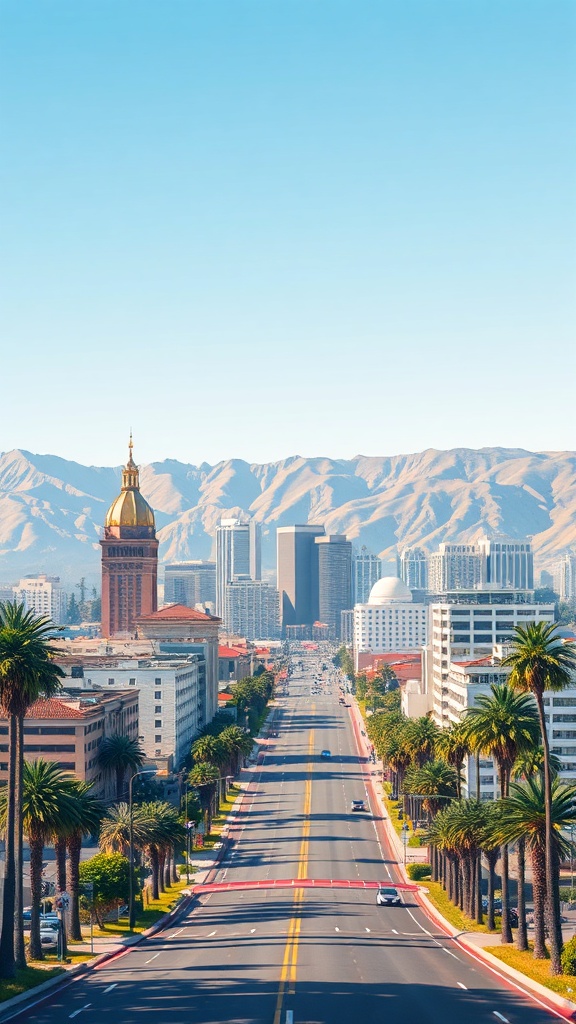
Where to go based on the forecast
– If the coast is foggy, head inland for clearer skies. Neighborhoods in the valleys and higher elevations often enjoy sunnier conditions when the marine layer lingers.
– For a breezy, cool day, stay near the sea—beaches and piers are ideal for walking, biking, and people-watching.
– When inland heat peaks, morning hikes or evening walks are more comfortable.
Trails shaded by trees or along shaded canyons offer respite.
– Cloudy mornings often burn off by afternoon. Planning flexible activities—coffee and a museum in the morning, a rooftop bar later—lets you adapt to changing conditions.
Practical tips for travel and recreation
– Check localized forecasts and radar rather than relying on a single city-wide prediction; neighborhood-level apps and map overlays are especially helpful.
– Time activities around temperature peaks.
Early starts beat heat for hiking; late afternoons highlight skyline views and golden light for photographers.
– Use public transit and bike options for flexible, stress-free movement across varied weather zones—parking can be scarce near popular coastal spots on nice days.
– Be mindful of air quality alerts during heat spells; vulnerable individuals should limit prolonged outdoor exertion when conditions are poor.
Enjoying LA comfortably
Los Angeles rewards visitors and residents who plan with microclimates in mind. With thoughtful packing, a few scheduling tweaks, and attention to neighborhood forecasts, it’s easy to maximize outdoor time while staying safe and comfortable. Whether you’re chasing surf, skyline views, or shaded canyon trails, the right preparation makes every outing more enjoyable.