California is a place of dramatic landscapes and diverse communities, and that diversity is driving how people, cities, and industries respond to mounting environmental pressures.
From persistent drought cycles and wildfire risk to a booming clean-energy transition, the state offers a practical blueprint for resilience that other regions are watching closely.
Water resilience starts with local action. Many California communities are expanding water recycling and groundwater recharge programs to make supplies more reliable through variable precipitation patterns.
Homeowners and businesses are shifting toward drought-tolerant landscaping, smart irrigation controllers, and leak detection to cut outdoor water use—the largest single drain on many household supplies. Rainwater capture and greywater reuse are becoming more mainstream where regulations allow, and municipal rebates often help offset the upfront cost of efficient fixtures and irrigation upgrades.
Wildfire preparedness combines traditional land stewardship with modern technology. Community hardening—clearing flammable vegetation close to structures, using fire-resistant building materials, and creating defensible space—remains the most effective household-level defense. At broader scales, prescribed burns and strategic forest thinning are being used to restore healthier fire regimes in fire-prone ecosystems. Investment in early detection systems, better evacuation planning, and communication networks also reduces risk to people and infrastructure when fires do occur.
The clean-energy transition in California is reshaping transportation, buildings, and the grid. Electric vehicles and charging infrastructure are expanding across urban and rural corridors, lowering emissions and reshaping fueling patterns. Rooftop solar, paired with battery storage, provides households and businesses with greater energy independence and grid reliability during extreme weather or outages. Utilities and communities are also investing in long-duration storage and demand-response programs to balance intermittent renewable generation while keeping costs manageable for ratepayers.
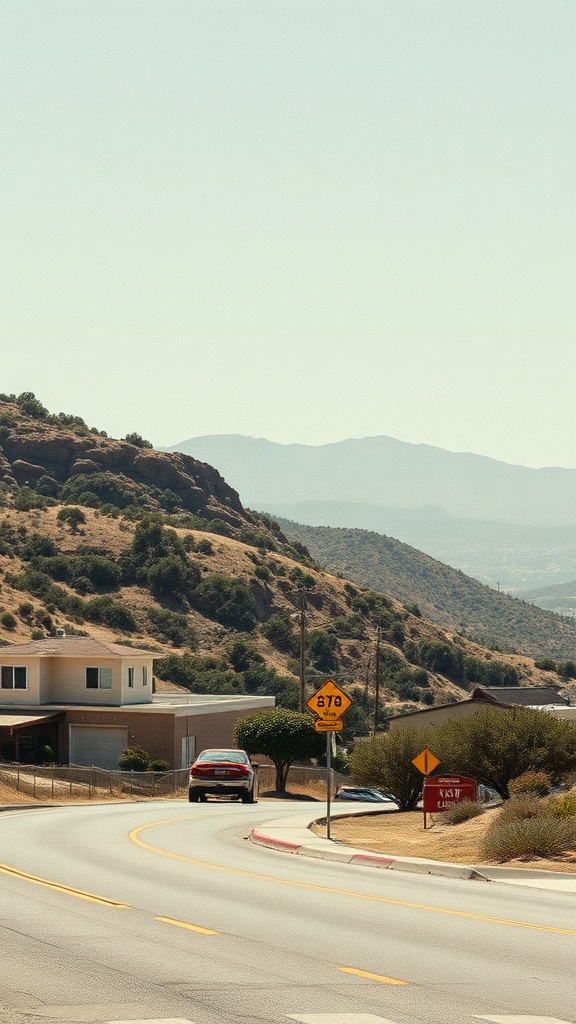
Agriculture and food systems are adjusting through precision irrigation, drought-tolerant crop varieties, and soil health practices that boost water retention and reduce reliance on intensive irrigation.
Urban agriculture, vertical farming, and local food hubs are emerging as complementary strategies that shorten supply chains and increase resilience to climate-driven disruptions.
Transportation and housing patterns are evolving to respond to population growth and affordability pressures. Expanding transit options, supporting compact development near job centers, and incentivizing energy-efficient retrofits can cut emissions while improving access and lowering household costs. Local governments often pair development strategies with incentives for affordable housing and green building standards to keep communities equitable as they adapt.
For individuals looking to build resilience at home:
– Reduce outdoor water use with drought-tolerant plants and drip irrigation.
– Create defensible space and use fire-resistant materials where practical.
– Consider rooftop solar plus battery storage to increase energy reliability.
– Keep an emergency kit and an evacuation plan tailored to local hazards.
– Explore local rebates and incentive programs for efficiency upgrades.
California’s challenges are complex, but the state’s mix of innovation, policy action, and community initiatives shows how adaptation can be practical and inclusive. With thoughtful planning and everyday changes, households and communities can lower risk, save money, and contribute to a more resilient future.