Los Angeles is a city of contrasts — coastal breezes meet inland heat, mountain pines border urban sprawl, and world-class culture sits beside casual taco stands.
Understanding LA’s microclimates and how they shape everyday plans turns a typical visit into a smoother, more enjoyable experience.
What to expect weather-wise
– Coastal neighborhoods: Expect cool, damp mornings and evenings from the marine layer. Temperatures can be brisk near the shore even when inland feels warm.
– Inland valleys: Warmer and drier, these areas heat up quickly in the daytime. Late afternoon can still cool off thanks to evening breezes.
– Hills and mountains: Higher elevation means cooler air and stronger winds. These areas can offer relief from city heat and occasionally see frost or snow at the highest peaks.
– Urban core: Dense concrete and asphalt create a heat island effect. Sun protection and hydration are essential when spending time downtown.
Packing essentials for LA
– Layers: A lightweight jacket or hoodie is a must — mornings by the beach often feel cool, while inland afternoons can be warm.
– Sun protection: Broad-spectrum sunscreen, sunglasses, and a hat will keep you comfortable during long walks or hikes.
– Reusable water bottle: Hydration is important across every microclimate.
– Comfortable shoes: From cobblestones on historic streets to dusty trails, good footwear matters.
– Air-quality preparedness: Carry an N95-style mask if you’re sensitive to smoke or dust and check local air-quality updates before extended outdoor plans.
Top outdoor activities by microclimate
– Coastal adventures: Beach walks, pier-side dining, surf lessons, and bike rides along the coast. Early mornings are often cooler and less crowded.
– Valley and urban exploration: Trendy neighborhoods offer food halls, galleries, and rooftop bars. Plan visits during cooler parts of the day when possible.
– Mountain escapes: Hiking, trail running, birdwatching, and scenic overlooks provide a natural counterpoint to city life.
Check trail conditions and park advisories before you go.
– Sunset points: Look for vantage spots where the city lights meet ocean horizons — ideal for photography and evening strolls.
Getting around smartly
– Public transit and micromobility: A growing network of light rail, buses, and bike-share options makes many neighborhoods accessible without a car. Use transit apps for schedules and real-time updates.
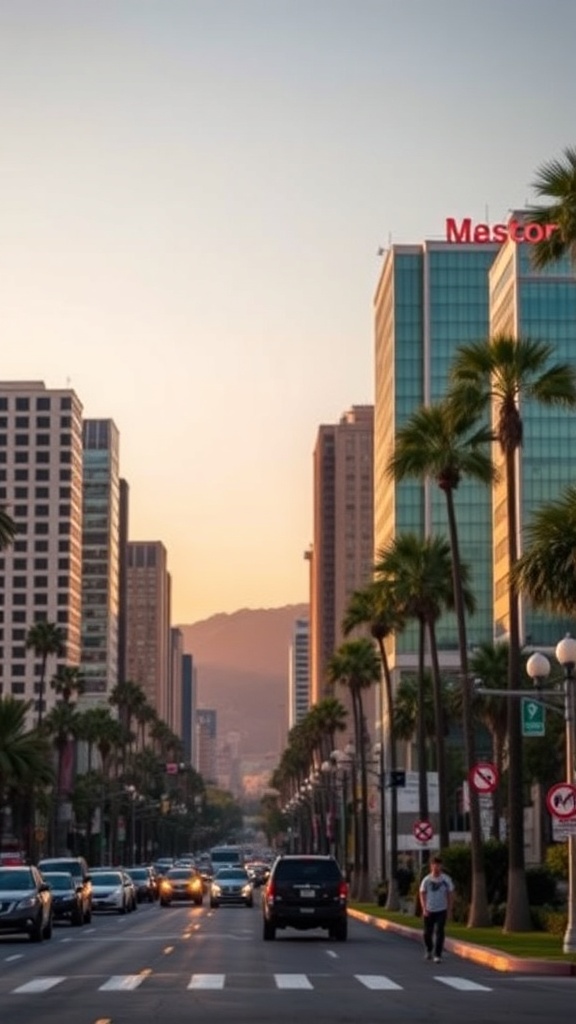
– Driving tips: Traffic is a fact of life. Allow extra time, use parking apps to find spots and rates, and be mindful of street-sweeping rules to avoid tickets.
– EV charging: Chargers are increasingly common in public lots, shopping centers, and near major attractions. Charging apps help you locate available stations.
Health and safety reminders
– Heat and sun risk: Avoid prolonged midday exposure during the hottest stretches; seek shade and hydrate frequently.
– Wildfire and smoke: Stay informed through local air-quality resources and heed evacuation or park-closure notices when issued.
– Trail etiquette: Stick to marked paths, pack out trash, and give space to wildlife.
Cultural and culinary diversity
Los Angeles’ neighborhoods offer a mosaic of cuisines and cultures — from late-night tacos to upscale fusion dining, bustling farmers markets to intimate ethnic eateries.
Explore beyond the tourist corridors to find neighborhood favorites and weekly markets that showcase local produce and artisans.
Plan with flexibility
Because weather and air quality can shift rapidly across neighborhoods, the most reliable strategy is flexibility. Check local conditions, choose activities that can move indoors if necessary, and enjoy the variety Los Angeles offers — from misty shorelines to sunlit canyons and vibrant urban streets.