Hollywood is in the middle of a reinvention, balancing legacy cinema habits with new distribution models, global tastes, and shifting audience expectations. The industry that once hinged on studio slates and star wattage is evolving into a more complex ecosystem where theatrical spectacle, streaming depth, and international revenue all compete for attention.
Streaming vs. theatrical: a new equilibrium
Studios and streamers are refining a middle ground. Big-budget blockbusters and event films still demand the immersive theater experience—IMAX, Dolby Atmos, and premium seating remain key draws—while more niche, character-driven work finds its audience through streaming platforms. Flexible release windows and premium video-on-demand experiments let studios tailor strategies by title: tentpoles get wide theatrical runs, while mid-budget dramas or genre pieces may debut on streaming to maximize reach and long-term value.
Franchises, originality, and the middle market
Franchises continue to dominate headlines and box office receipts because they deliver predictable returns and built-in audiences. Yet there’s growing appetite for original storytelling, especially on streaming services where lower-budget projects can flourish. The most successful studios are those that balance franchise maintenance with steady investment in riskier, creator-driven projects that build loyalty and critical acclaim.
Global audiences shape creative and commercial decisions
International markets are no longer bonus territory—they often determine whether a project breaks even.
Local-language productions are rising in prominence as platforms and studios invest in regional stories to capture market share. Casting choices, narrative themes, and marketing campaigns increasingly reflect global sensibilities, while collaborations across territories create content designed to travel.
Talent models and creator ownership
Actors, writers, and directors are pursuing new models: production partnerships, multi-project deals, and equity stakes in series and films.
This shift is led by creatives who want more control over intellectual property and long-term revenue from hits. At the same time, serialized television and limited series offer prestige and creative freedom that rival feature filmmaking, attracting top-tier talent across disciplines.
Marketing, data, and the social attention economy
Movie marketing has become more targeted and immersive. Data analytics drive ad spend decisions, while social-first campaigns, influencer partnerships, and experiential events create sustained buzz. Teaser strategies, staggered trailers, and platform-specific content amplify awareness across short attention spans and crowded release calendars.
Diversity, representation, and accountability
There’s ongoing pressure for Hollywood to reflect the diversity of its audiences both on-screen and behind the camera.
Progress is visible in more films led by underrepresented voices and in expanding roles for women, people of color, and LGBTQ+ creators. Accountability remains critical: transparent hiring practices, equitable pay structures, and accessible pathways for emerging talent will determine how lasting these shifts become.
Sustainability and new production techniques
The industry is also adopting greener production practices and advanced filming technology. LED volumes and virtual production reduce location travel and offer creative flexibility, while studios implement sustainability protocols to lower the carbon footprint of shoots.
These changes cut costs and respond to stakeholder expectations around environmental responsibility.
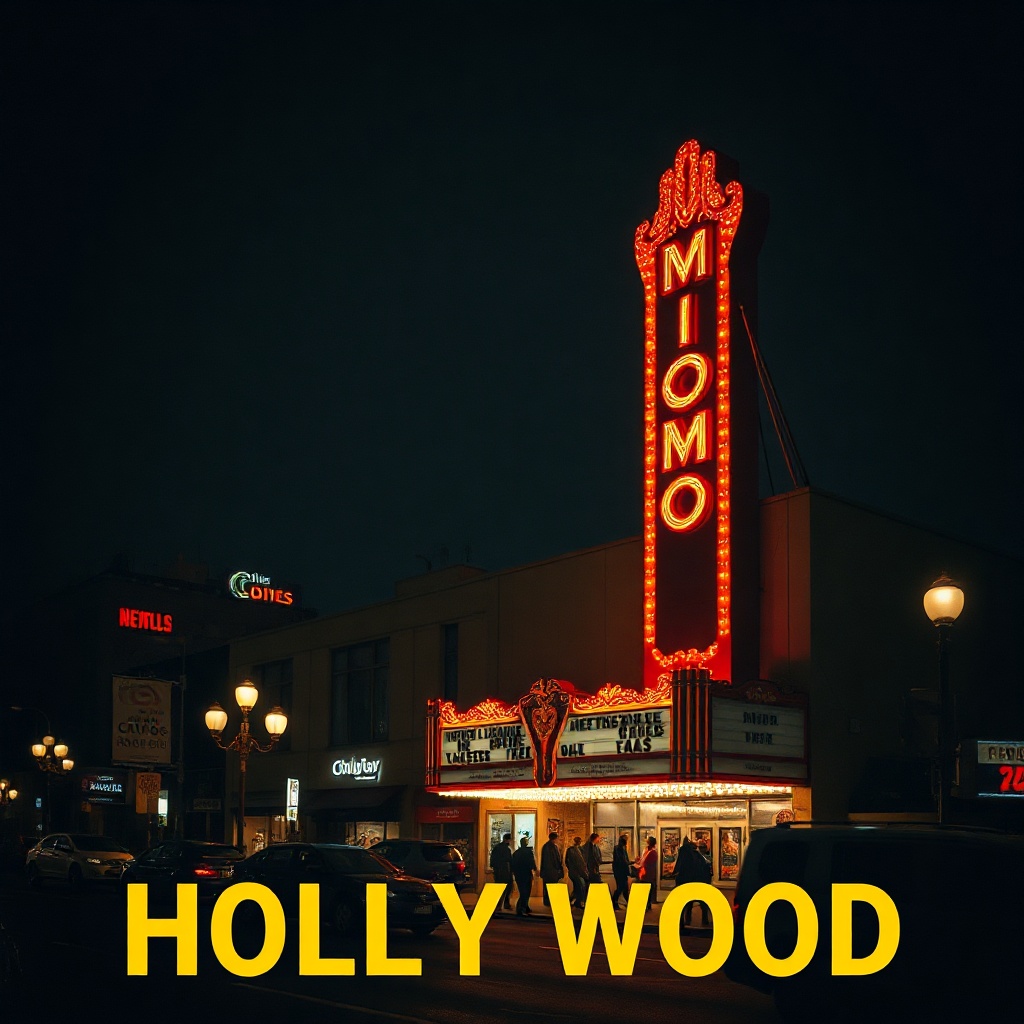
What this means for audiences
Audiences benefit from a larger variety of high-quality choices: blockbuster spectacles built for theater, intimate dramas optimized for streaming, and international stories that broaden cultural perspectives. The balance of creative risk and commercial prudence will shape which projects get made and how they reach viewers.
Hollywood’s future hinges on adaptability—embracing technology and global markets while preserving spaces for original voices. That tension between commerce and creativity is producing a more varied entertainment landscape and new models that could define how stories are told and consumed for years to come.