Los Angeles is shedding the myth that it’s only a city for drivers. While cars remain central to how many Angelenos move, the city’s transportation landscape is evolving: more rail lines are being extended, bike lanes are expanding, micromobility options are everywhere, and neighborhoods are becoming more walkable. For residents and visitors who want to experience LA with less stress and more discovery, shifting modes can unlock a different side of the region.
Why LA is moving beyond car culture
Efforts to reduce congestion, improve air quality, and make streets safer have driven investments in public transit and active transportation. Bus rapid transit and light rail corridors knit distant neighborhoods closer together, while protected bike lanes and pedestrian-first streets transform short trips into enjoyable experiences. The result is greater access to local shops, parks, and cultural spots without the need to circle for parking.
Practical tips for getting around
– Combine transit and micromobility: Use a transit app to plan a bus or rail leg, then switch to an e-bike or scooter for the first/last mile. This combo often beats the time and cost of short car trips.
– Time trips strategically: Peak-period traffic can be dense; aim for mid-morning or early evening travel when possible. Transit frequency improves throughout the day on core corridors.
– Know the neighborhood pulse: Downtown, Santa Monica, West Hollywood, Koreatown, and parts of the Westside and Eastside are among the most walkable and well-served by transit. Exploring on foot is often the fastest way to discover hidden cafes, murals, and local markets.
– Be micromobility smart: Park shared scooters and bikes in designated zones, yield to pedestrians on sidewalks, and choose helmets when available. Respect local rules—many areas require riding on the road, not the sidewalk.
Discover local gems without a car
Skipping the car opens up spontaneous detours: a morning farmers market reached by light rail, an afternoon hike accessible by a short bus ride, or an evening at a small music venue within walking distance of a transit stop. Neighborhood main streets—lined with independent restaurants and storefronts—are more enjoyable when not constrained by driving or parking.
What to expect on the ground
Streetscapes are changing: curb space is increasingly shared among short-term parking, bike lanes, buses, and outdoor dining. This can mean fewer traditional parking spots but more options for getting where you want without a private vehicle. Transit improvements aim to move more people efficiently, and community-driven street redesigns prioritize safety for cyclists and pedestrians.
Benefits beyond convenience
Traveling with fewer car trips lowers transportation costs, reduces stress tied to traffic and parking, and supports cleaner air. It also encourages stronger neighborhood economies—pedestrians spend more time and money at local businesses than people who drive past them. For many, adopting multimodal travel becomes a lifestyle change that enhances daily quality of life.
Take the first step
Try one car-free day: hop on a bus for a museum visit, rent an e-bike to explore a beachfront path, or walk a neighborhood block you usually drive.
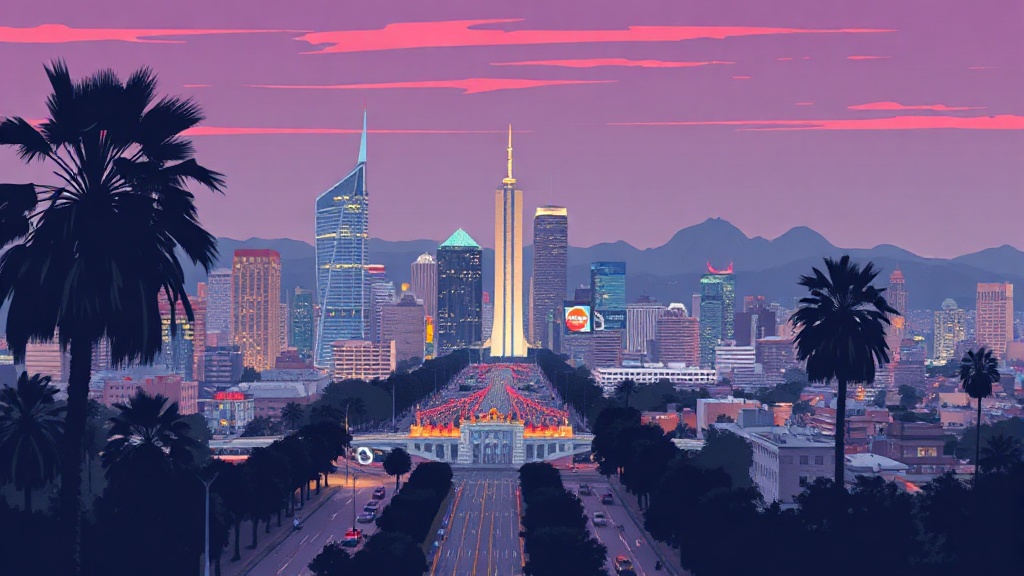
Small shifts reveal how much of LA’s culture and charm is accessible without the engine running, and they make the city more livable for everyone.
