Los Angeles Lifestyle: Where Culture, Innovation and Outdoor Living Converge
Los Angeles is a city of contrasts — sun-drenched beaches and foggy canyons, historic districts and glassy high-rises, independent cafés and studio backlots. For residents and visitors alike, the city delivers a mix of cultural institutions, outdoor activities, and food-forward neighborhoods that keep things fresh and accessible.
Neighborhoods that define the city
Each neighborhood has a distinct personality.
Downtown pulses with new restaurants, galleries, and adaptive reuse architecture; Hollywood blends entertainment history with nightlife; Silver Lake and Echo Park attract creative communities and indie businesses; Westside encloses upscale shopping and beach access; and Eastside neighborhoods offer a growing scene of authentic eateries and community-driven arts.
Choosing where to spend time often depends on whether the priority is dining, nightlife, outdoor access, or proximity to work.
Outdoor life and microclimates
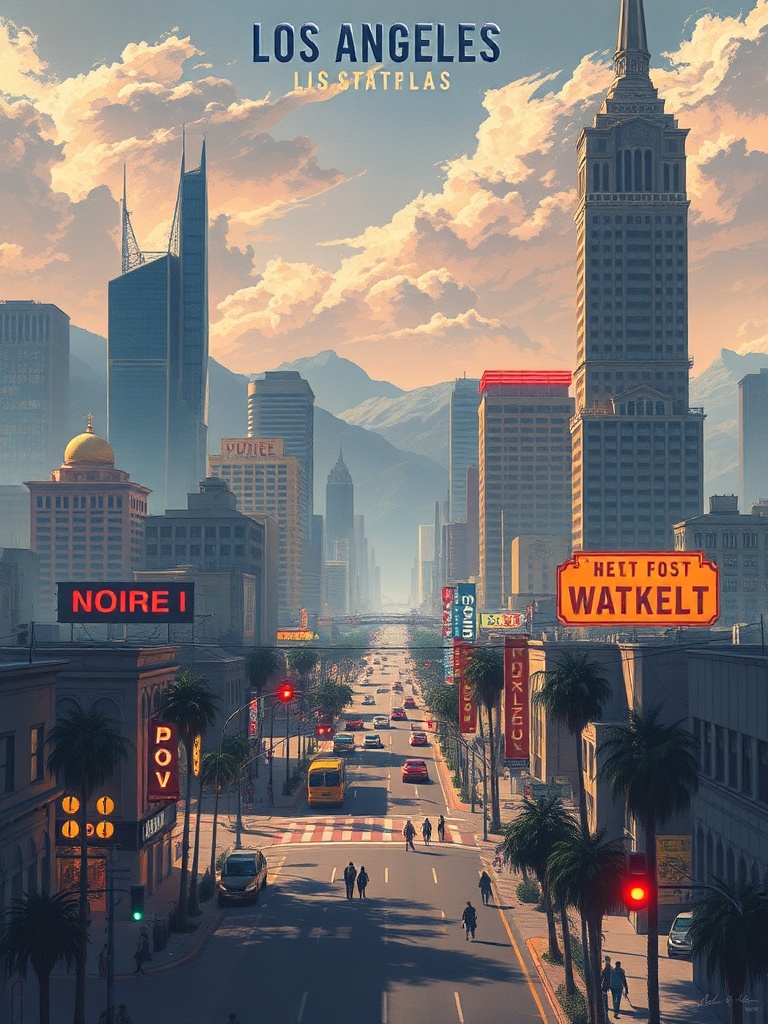
One of Los Angeles’s biggest advantages is the proximity to diverse outdoor spaces. The coastline provides long bike paths, surf breaks, and wide boardwalks, while inland canyons and urban parks offer hiking with skyline views. Microclimates are common — mornings can bring cool ocean fog along the shore and warm, dry air further inland — so layering is a practical approach when moving between neighborhoods.
Culture, museums and performance
Los Angeles hosts world-class museums and performance venues that appeal to a wide range of interests. From contemporary art institutions and historic museums to symphony halls and independent theaters, there’s always an exhibition, concert, or film screening to explore. Many venues pair daytime programs with evening events, making it easy to build a full day around a cultural stop.
Food and drink scene
The city’s food scene is an open invitation to explore. Street food and taquerias sit alongside high-end tasting menus, while farmers’ markets and neighborhood bakeries provide fresh, local options. Neighborhood-focused dining means it’s simple to find great meals close to where people live, and food halls and pop-up concepts continue to create lively communal dining experiences.
Getting around
Traffic is a reality, but options beyond driving are increasingly practical. Expanded rail lines, bus services, bike lanes, e-scooters, and rideshare all offer alternatives for many routes.
For shorter trips, bike and scooter share systems are often the fastest way to navigate busy neighborhoods.
Planning ahead and avoiding peak commute windows can significantly reduce travel time.
Work and innovation
The region remains a magnet for entertainment, tech, and creative industries, with a steady flow of startups, production facilities, and creative agencies.
Remote and hybrid work models have reshaped commuting patterns and neighborhood vibrancy, encouraging more local daytime activity in residential areas.
Sustainability and city initiatives
Sustainability is an ongoing focus — from efforts to expand public transit to community programs for water conservation and urban greening. New development projects frequently include green building practices and increased access to public spaces, reflecting a citywide push toward more resilient, walkable neighborhoods.
Tips for enjoying Los Angeles
– Start beach outings early to secure parking and enjoy calmer conditions.
– Use neighborhood guides to match activities with local vibe — brunch in a trendy valley spot differs from a beachside café experience.
– Take advantage of weekday museum hours for smaller crowds.
– Mix transit modes: rail for long stretches, bikes or rideshares for first/last mile.
Los Angeles rewards curiosity. Whether the goal is outdoor adventure, a culinary discovery, or catching a live show, the city’s variety makes it easy to build memorable days.