Los Angeles is quietly reshaping itself into a more sustainable, people-centered city — and whether you live here or are visiting, there are smart ways to experience the change. From shade-lined streets to expanded transit and neighborhood gardens, the city’s evolution prioritizes comfort, resiliency, and everyday convenience.
Green streets and cooling strategies
Heat is a defining challenge in southern California, and Los Angeles is tackling it with urban cooling measures that make outdoor life more pleasant. Expect wider sidewalks, more street trees, and reflective surfaces that reduce local temperatures. Commercial and residential property owners are increasingly choosing cool roof coatings and shade structures that lower indoor cooling needs while keeping neighborhoods walkable.
When planning outdoor activities, seek shaded routes and linear parks — they’re often several degrees cooler than sun-exposed streets.
Transit, micromobility and car alternatives
Getting around is easier than some might assume. Investments in rail and bus corridors, plus a growing network of protected bike lanes and shared micromobility options, make car-free or car-light days realistic. Use transit apps that combine realtime schedules, route planning and contactless fare options to simplify trips across the region. For short hops, electric scooters and bike rentals link neighborhoods efficiently; for longer commutes, look for trunk-to-trunk connections between rail stations and local shuttles.
Water-wise living and urban gardening
Water conservation remains a local priority, and landscape design has adapted beautifully. Native and drought-tolerant plants dominate many front yards and public medians, creating low-maintenance landscapes that attract pollinators. Rain barrels, permeable paving and small-scale water capture projects are practical for homes and community sites. Community gardens continue to pop up in neighborhoods, offering green space, fresh produce and a chance to meet neighbors while learning climate-smart gardening techniques.
Electric vehicles, charging and clean energy
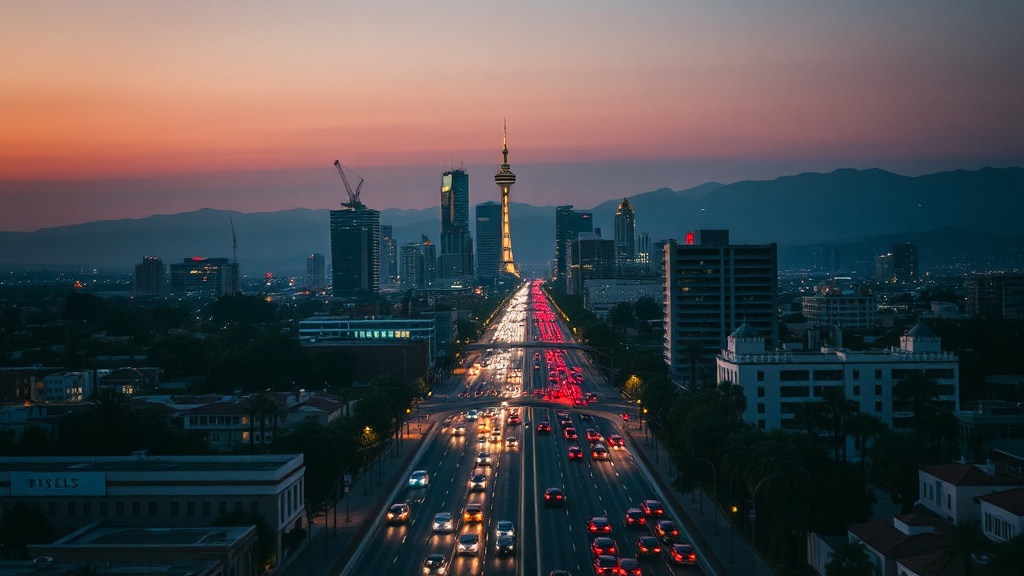
Electrification of transportation and buildings is visible across the city. Public charging stations have proliferated in commercial zones, parking structures and along major corridors, making EV ownership more convenient. Rooftop solar and energy storage installations are common on homes and businesses, reducing reliance on central power and improving resilience during heat waves. If you own a vehicle, look for workplaces and retail centers that offer charging, and consider time-of-use rates to reduce energy costs.
Neighborhood tips for residents and visitors
– Time outdoor activities for early morning or late afternoon shade to avoid peak heat.
– Choose tree-lined neighborhoods for walking: many now feature continuous shade canopy and safer crosswalks.
– Combine transit with micromobility for first- and last-mile connections; store apps that integrate payments and maps.
– Bring a refillable water bottle and reusable bag to support local refill stations and businesses.
– Seek out farmers markets and community gardens for seasonal produce and to support neighborhood economies.
Why it matters
Shifts in infrastructure and behavior are making Los Angeles more livable and resilient. Streets designed for people, smarter water use, expanded transit choices and clean-energy adoption all add up to a city that’s easier to navigate and more comfortable to enjoy. Whether you’re exploring beaches, cultural corridors or hidden pocket parks, choosing sustainable options enhances your experience and supports long-term community health.
Explore with intention: pick a transit-friendly neighborhood, try a different mode of travel, and notice how thoughtful design can transform everyday life in Los Angeles.