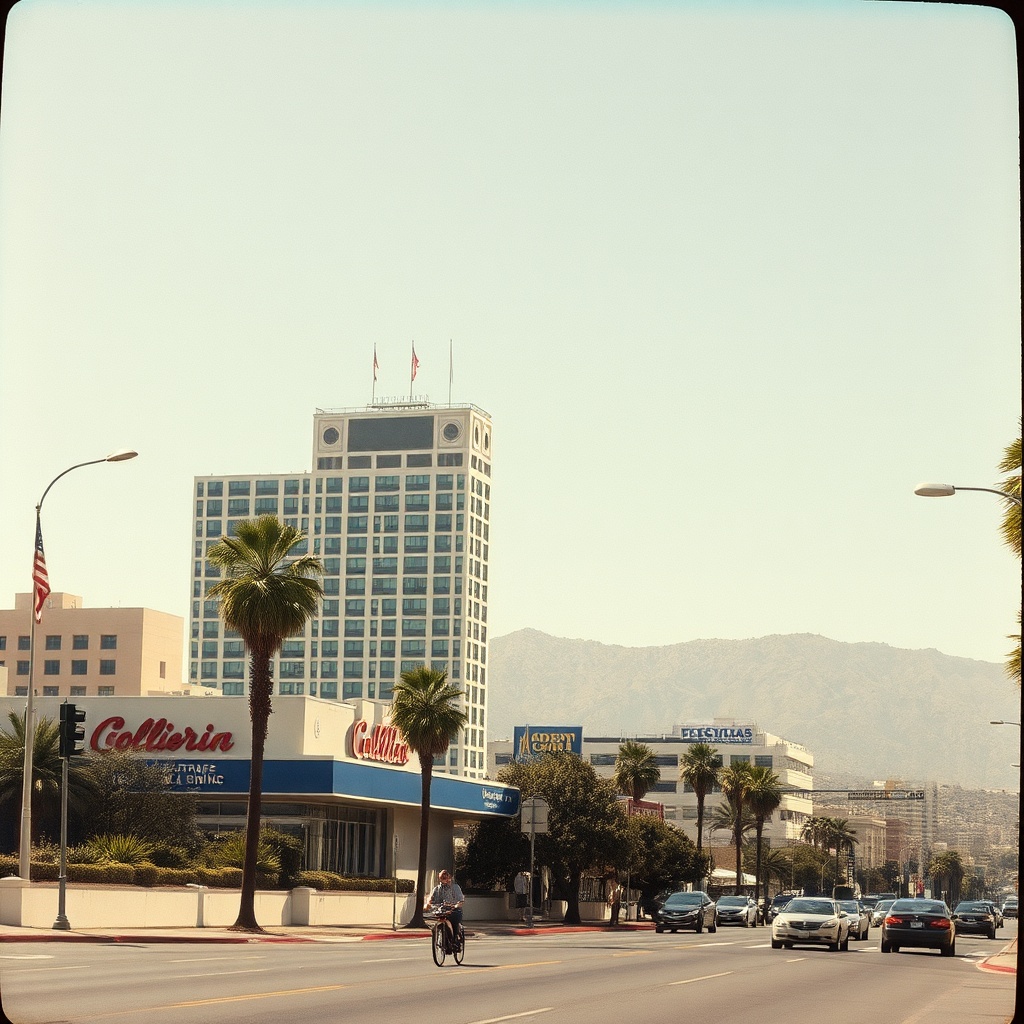
Los Angeles is evolving fast—blending classic car culture and Hollywood glamour with greener transit, neighborhood-focused development, and an energizing food and arts scene. For residents and visitors, that means more ways to explore, eat, and live sustainably while still enjoying the city’s iconic landmarks.
Mobility: more options, less guesswork
Traffic remains part of LA life, but mobility choices have expanded. Light rail and subway extensions are making key corridors more accessible, and bus networks are improving frequency on major routes.
Micro-mobility—e-scooters, dockless bikes, and bikeshare—fills many first-mile/last-mile gaps, and growing protected bike lanes make short trips safer.
Tips:
– Use a transit app that combines metro schedules, buses, and micromobility options for door-to-door planning.
– Pick neighborhoods well served by transit if avoiding daily driving is a priority.
Neighborhoods with character and convenience
Classic spots like Hollywood, Venice, and Downtown remain must-see, but quieter neighborhoods are gaining attention for livability.
Expect tree-lined streets, neighborhood coffee shops, independent boutiques, and local markets in spots that balance proximity to job centers with a village feel.
Consider what matters most:
– Nightlife and dining: look for central hubs with walkable bar and restaurant clusters.
– Family life and schools: seek neighborhoods with parks and strong community centers.
– Commute and transit: prioritize proximity to rail or frequent bus lines.
Green city initiatives and climate resilience
Water conservation and heat mitigation are front of mind. Widespread incentives encourage drought-resistant landscaping and water recycling systems for homes and businesses.
Urban tree planting and “cool” pavements aim to reduce neighborhood heat, while rooftop gardens and community farms increase local food production and biodiversity.
What to expect:
– More buildings pursuing energy efficiency and green certifications.
– Community gardens and pop-up farmers markets in unexpected urban spots.
The food scene: global flavors with local roots
Los Angeles continues to be one of the most diverse food cities, from legendary taco stands and Korean barbecue to cutting-edge tasting menus and plant-forward cuisine.
Food halls and neighborhood markets make it easier to sample multiple cuisines in one outing, while delivery and pickup options keep the city convenient for busy schedules.
Cultural life and creative industries
Film and music remain central, but the creative economy now overlaps with tech, design, and immersive entertainment.
Historic theaters, galleries, and street festivals share the cultural calendar with experimental venues and pop-up installations, offering both blockbuster draws and intimate neighborhood moments.
Practical advice for visitors and new residents
– Plan travel times outside peak rush hours when possible; midday and late evenings are typically easier for driving.
– Rely on apps to compare transit, rideshare, and micromobility costs and times.
– Explore by neighborhood—spend a morning in a local café, walk the main drag, then catch an evening show or market to get a real feel for the place.
Los Angeles remains a city of reinvention: sprawling but increasingly interconnected, rooted in its entertainment legacy while pushing forward with sustainability, neighborhood-centered development, and a culinary landscape that reflects its global population.
Whether exploring for a weekend or settling in for the long term, navigating LA with a neighborhood-first mindset makes the city feel more manageable and more rewarding.