How to Navigate Los Angeles Without a Car: Practical Tips for Transit, E‑scooters, and Bikes
Los Angeles has a reputation for car culture, but getting around without a vehicle is easier and more practical than ever. A growing network of light rail, buses, protected bike lanes, and shared micro‑mobility options make everyday travel—and exploring neighborhoods—more accessible. Use these tips to move around the city efficiently, safely, and sustainably.
Why consider going car‑free?
– Save on parking, insurance, and maintenance.
– Avoid traffic stress by using bus- and rail-priority lanes.
– Access neighborhoods where parking is limited or expensive.
– Reduce your carbon footprint and support local efforts to make streets safer for everyone.
Transit basics
LA’s transit system combines light rail, subway, rapid buses, and local routes that connect downtown to coastal and suburban neighborhoods.
For best results:
– Use a reliable trip planner (Google Maps, Apple Maps, or the transit agency’s app) for real‑time arrivals and service alerts.
– Carry the regional fare card or use contactless payment options when available to speed boarding.
– Consider monthly or multi-day passes if you’ll be riding frequently—those often save money over single fares.
Micro‑mobility: e‑scooters and e‑bikes
Shared e‑scooters and e‑bikes are plentiful in many parts of the city and excellent for short trips and last‑mile connections from transit stops.
– Lock to racks or designated areas where required; respect no‑ride zones (pedestrianized plazas, certain parks).
– Always check battery and brakes before riding and follow local speed limits.
– Wear a helmet and signal turns; predictability reduces conflicts with pedestrians and drivers.
Cycling in the city
Protected bike lanes have expanded, connecting neighborhoods and improving safety.
Popular routes include waterfront paths and several protected corridors through urban cores.
– Choose routes with dedicated lanes when possible; bike lanes on surface streets often feel safer than sharing traffic.
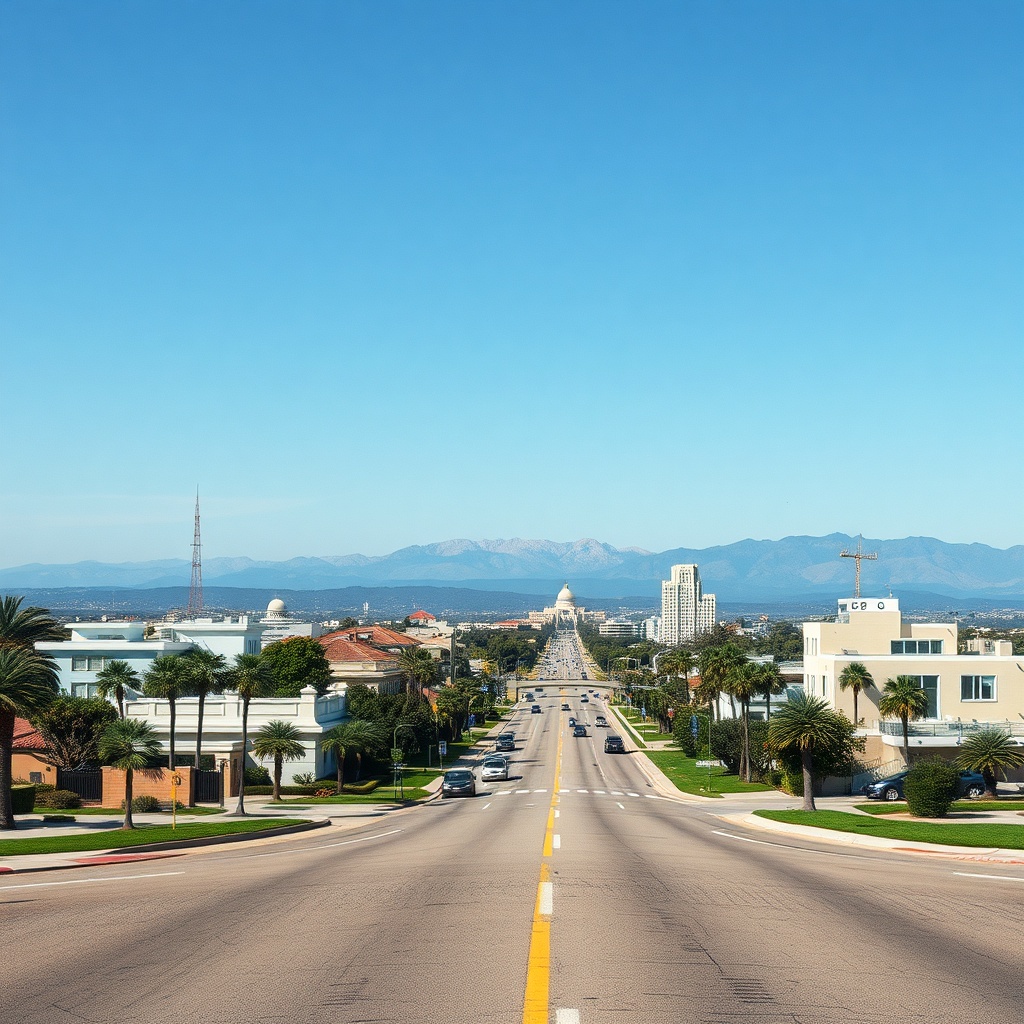
– Use a bike‑specific mapping tool to find lower‑traffic streets and dedicated paths.
– Secure your bike with a high‑quality lock and avoid leaving valuables visible.
Getting around neighborhoods
– Downtown: Walkable with strong transit access; rail connects to cultural destinations and major hubs.
– Westside and beaches: Bike and e‑scooter options shine for short, scenic trips between Santa Monica, Venice, and nearby neighborhoods. Transit and shuttle connections help for longer distances.
– Hollywood and central areas: Frequent bus and rail service; consider walking between close attractions to avoid slow traffic.
– Emerging transit corridors: Light rail and bus rapid transit lines create dependable east‑west and north‑south connections—use them for longer cross‑city trips.
Safety and etiquette
– Yield to pedestrians and adhere to crosswalk laws.
– Keep right on multi‑use paths and announce passes with a bell or voice.
– Follow transit rules for folding and stowing bikes; during peak hours, some restrictions may apply.
– Be mindful of street cleaning and parking rules to avoid fines.
Smart tools and habits
– Bookmark transit agency alerts and sign up for service notifications in the app.
– Combine modes: ride a train for the long haul, then use a scooter or bike for the last mile.
– Pack a compact reusable bag and a small lock if you plan to hop between multiple shared vehicles.
Los Angeles is evolving into a multimodal city where cars are optional for many trips. With a little planning and the right apps, you can discover more of the city, save money, and enjoy a more relaxing commute. Try one car‑free day and see how your approach to getting around can change.