Exploring Los Angeles without a car is easier than many expect. With expanded rail lines, frequent buses, neighborhood shuttles, and a booming micro-mobility scene, it’s possible to move between iconic neighborhoods, cultural hot spots, and waterfronts using public transit, scooters, bikes, and walking. Here’s a practical guide to enjoying LA responsibly and efficiently, whether visiting or living locally.
Plan one realistic neighborhood loop
– Start in Downtown Los Angeles: Ride a Metro line or local DASH shuttle to the Arts District, walk through galleries, and stop for coffee or a museum visit. From there, head to Grand Central Market for lunch.
– Head to Echo Park and Silver Lake: Take a short rideshare or bus to Echo Park Lake for paddle boats and skyline views, then stroll or bike the ridge into Silver Lake for independent shops, cafes, and murals.
– Finish at the coast: Use rail or a combination of bus and rail to reach Venice Beach—enjoy the boardwalk, skate park, and Abbot Kinney Boulevard for boutique shopping and dining.
Transit and ticketing basics
– Use the Metro app and a reloadable transit card for the most seamless experience. Many systems now support mobile ticketing and contactless payments.
Check transfer rules and whether fare-capping or day passes apply to avoid overpaying.
– Local neighborhood shuttles like DASH provide high-frequency short loops that are perfect for first/last-mile trips. Regional commuter rail connects longer distances across the county if plans include farther suburbs or the beach cities.
– Allow extra time for transfers, especially during peak hours. LA distances can feel short on a map but take longer in transit than in a car.
Micro-mobility: when to scooter or bike
– Dockless e-scooters and e-bikes are abundant in many neighborhoods.
They’re ideal for short hops, scenic waterfront rides, and bridging transit gaps.
Download the main provider apps, check local parking rules, and always park responsibly to avoid sidewalks being blocked.
– Use bike lanes where available and pick routes with protected lanes or low-traffic streets when possible. Many neighborhoods have added bike infrastructure, but gaps remain—plan routes with a bike map or navigation tool that favors bike-friendly streets.
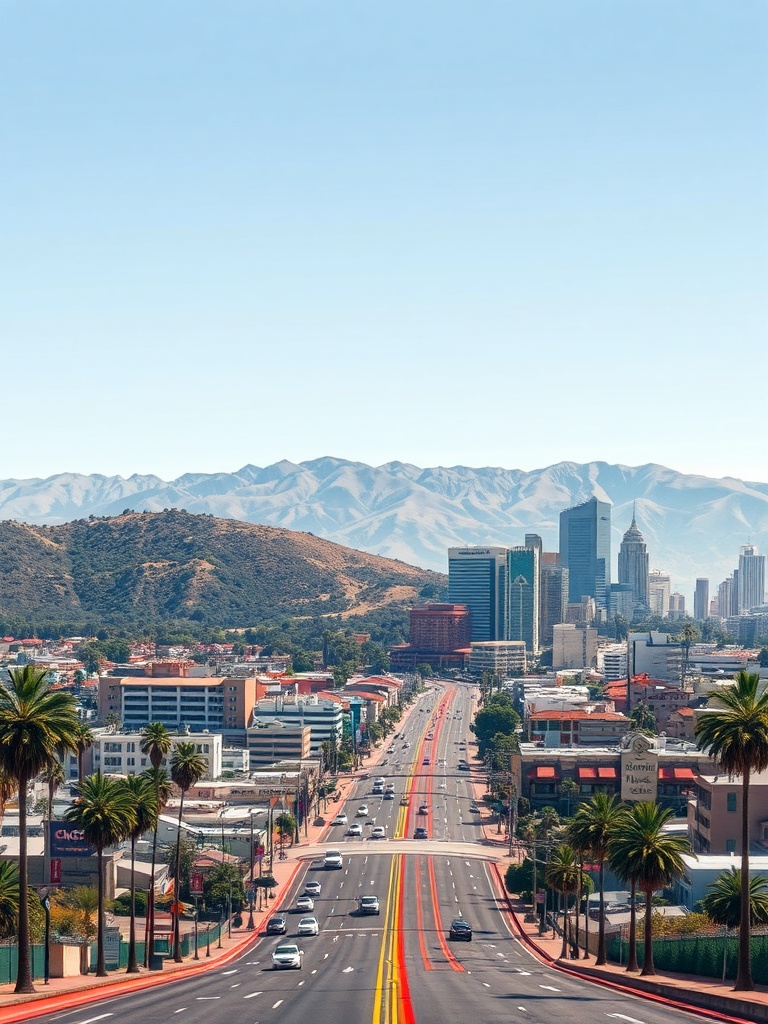
– Safety first: helmets are strongly recommended, obey traffic laws, and be mindful of pedestrians when riding on shared paths.
Practical tips
– Travel light and bring sun protection and water. LA’s climate can be sunny and dry; staying hydrated makes walking and biking more enjoyable.
– Check service alerts before leaving.
Transit disruptions and detours occur, and micro-mobility availability can change by neighborhood.
– Keep a backup plan: rideshare or short local taxi rides can fill in gaps late at night or for routes with fewer transit options.
– Time visits to popular spots outside peak tourist or commute hours to avoid crowds and long waits.
Neighborhood highlights worth planning for
– Arts District: street art, galleries, distilleries, and adaptive-reuse architecture.
– Silver Lake & Echo Park: indie shops, coffee culture, and scenic reservoir loops.
– Koreatown: 24-hour dining scene and historic markets accessible by rail and bus.
– Venice & Santa Monica: beachfront promenades, bike paths, and lively dining strips.
– Downtown: museums, theaters, and a growing roster of rooftop bars and parks.
Exploring Los Angeles without a car allows a closer look at neighborhoods and local life.
With modest planning, a mix of transit and micro-mobility, and sensible safety habits, it’s possible to enjoy a full day of culture, food, and scenery while leaving the car behind.