Hollywood is reinventing itself again, balancing blockbuster spectacle with a hunger for bold storytelling. The industry’s landscape is shaped by competing forces: streaming platforms that commission huge amounts of content, studios that still depend on tentpole releases, and audiences who expect both cinematic events and on-demand convenience. Understanding these dynamics helps creators, theater owners, and fans navigate what’s next.
Streaming vs. theatrical: a new equilibrium
Streaming services continue to invest heavily in originals and international content, creating more opportunities for filmmakers but also increasing competition for attention. Meanwhile, theatrical releases remain important for major franchises and prestige films that benefit from the big-screen experience and the box office buzz it generates. This has produced flexible release strategies—exclusive theatrical windows, hybrid premieres, and platform-first releases—that vary by project and audience.
Franchise fatigue and creative risk
Studios rely on recognizable intellectual property to reduce financial risk, which fuels sequels, reboots, and shared-universe storytelling.
That approach drives reliable returns but can lead to franchise fatigue among viewers who crave fresh ideas. The counterbalance is a surge in high-quality, original projects on streaming platforms and cable—limited series and mid-budget films that take creative risks and build passionate niches.
Diversity, representation, and global storytelling
Hollywood’s push for more inclusive storytelling is reshaping content across genres.
Increased opportunities for creators from underrepresented communities are widening the kinds of stories that reach mainstream audiences, often boosting critical reception and commercial performance. Global markets also matter more than ever: locally produced content garners international subscribers, and studios tailor films to travel well across territories, both culturally and commercially.
Independent film and festival pipelines
Independent films find new life through streaming acquisitions and festival exposure. Festivals remain a vital discovery platform for talent and buyers. For indie filmmakers, creating a clear festival and distribution strategy—paired with smart marketing—can turn limited budgets into meaningful exposure and sales. Micro-budgets now pair with social media campaigns and niche targeting to build loyal audiences.
How theaters are evolving
Cinemas are adapting with premium formats, event programming, and subscription models to entice audiences back.
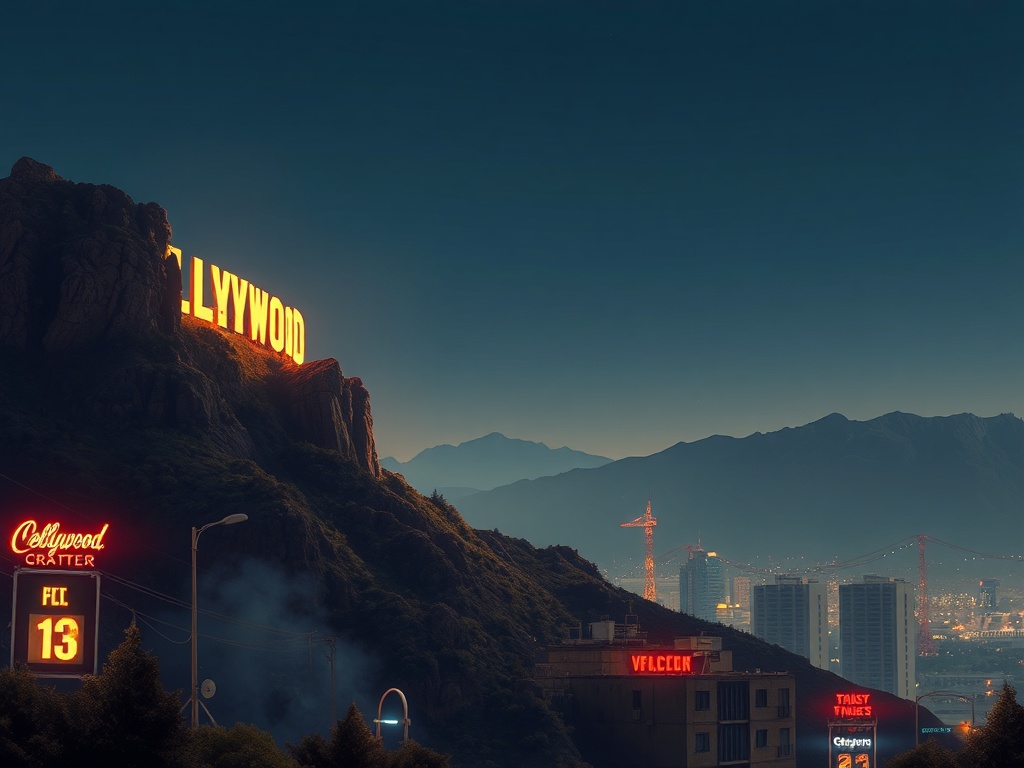
Beyond blockbuster weeks, theaters are programming retrospectives, live events, and indie showcases to widen appeal. Community engagement—partnerships with local businesses, themed nights, and loyalty perks—helps theaters compete with the convenience of home streaming.
Practical advice for each audience
– Filmmakers: Build a direct audience early through social channels and festival appearances.
Consider flexible distribution options—hybrid releases or platform partnerships—based on your film’s scale and target audience.
– Theater owners: Diversify programming, experiment with premium or niche offerings, and lean into community marketing to create reasons for repeat visits.
– Viewers: Follow curated critics, festivals, and trusted streaming channels to cut through volume and discover standout films and series.
Ultimately, Hollywood’s strength has always been storytelling and its ability to meet audience expectations in new ways. That adaptability—across distribution models, creative voices, and exhibition formats—will continue to define what audiences see on screens big and small. For anyone involved in making or enjoying film and television, staying flexible and audience-focused remains the best strategy.