Los Angeles is shifting fast toward a more resilient, livable future as climate pressures, transportation demand, and housing needs converge. From bold public works to grassroots neighborhood efforts, the city’s approach blends infrastructure upgrades, policy shifts, and everyday choices that make a measurable difference for residents and visitors alike.
Cooling the city: urban heat and green infrastructure
Heat is a defining challenge for Southern California communities. To combat urban heat islands, Los Angeles is expanding tree canopy programs, promoting cool pavements, and incentivizing reflective roofing. Neighborhood-scale solutions—shade structures in bus stops, shaded bike lanes, and pocket parks—help lower surface temperatures and improve comfort for pedestrians.
Homeowners can contribute by planting drought-tolerant trees, choosing light-colored roofing materials, and adding shade sails or pergolas to outdoor living spaces.
Electrification and clean energy adoption
Electrification of buildings and transportation is accelerating.
More apartments and commercial buildings are swapping gas appliances for electric heat pumps and induction cooktops, driven by local building codes and incentive programs. On the energy side, rooftop solar paired with battery storage is increasingly accessible for single-family homes and multiunit dwellings, helping households lower bills and improve resilience during power disruptions. For drivers, expanding charging networks and utility rebates are making the switch to electric vehicles (EVs) more practical—especially for apartment dwellers who invest in shared charging solutions.
Transit and micromobility: rethinking movement in LA
Public transit and micromobility options are evolving to meet demand for faster, more reliable trips. Buses and light rail lines are benefiting from priority lanes, station upgrades, and frequency improvements that reduce wait times. Micromobility—scooters, e-bikes, and cargo bikes—is increasingly viable for first- and last-mile connections, lowering car dependency for short trips.
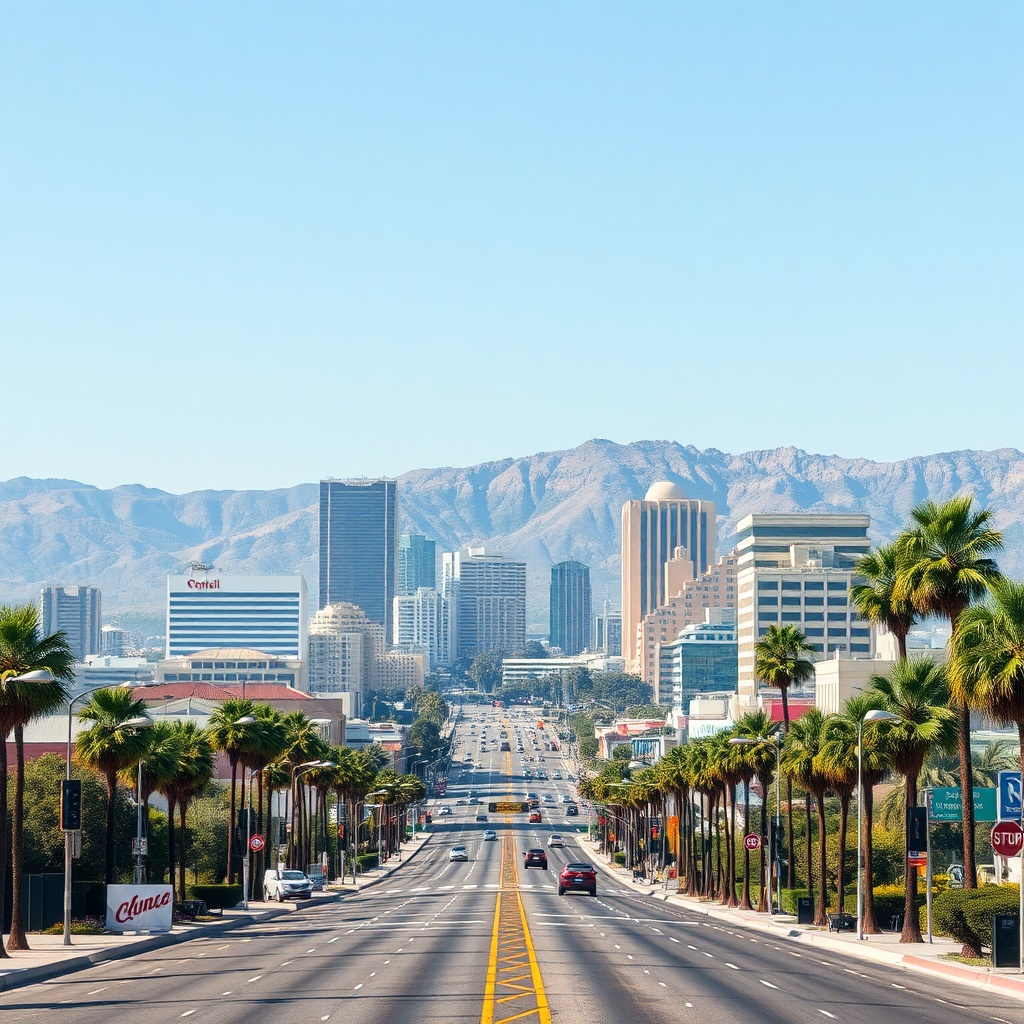
For commuters, combining a transit pass with occasional micromobility rentals often beats downtown parking costs and stress.
Housing access and neighborhood resilience
Housing affordability remains top of mind, but progress is appearing in incremental ways. Accessory dwelling units (ADUs) and targeted infill projects help add options without changing neighborhood character.
Resilience-focused upgrades—seismic retrofits, wildfire-safe landscaping, and elevated cooling centers—ensure housing remains safe and usable during extreme events. Community land trusts and cooperative ownership models are also gaining traction as tools to stabilize neighborhoods and prevent displacement.
Local food, culture, and the economics of place
Los Angeles’ culinary and cultural scenes continue to be economic engines. Food halls, neighborhood markets, and mobile vendors support small entrepreneurs while keeping cultural traditions alive. Investment in public plazas and pedestrian-friendly streetscapes helps local businesses thrive by increasing foot traffic and making neighborhoods destinations rather than thoroughfares.
Practical steps for residents
– Plant shade trees and choose low-water landscaping to reduce heat and save on water bills.
– Explore utility and local incentives for rooftop solar, battery storage, and building electrification.
– Try transit or micromobility for errands and short commutes to cut costs and parking headaches.
– Retrofit older homes for fire and seismic resilience where feasible, and use cooling strategies like awnings and exterior shades.
– Support local businesses and public space improvements that create walkable, vibrant neighborhoods.
Los Angeles is navigating complex challenges with a mix of policy, innovation, and neighborhood action. Small choices by residents—paired with thoughtful public investments—can add up to a healthier, cooler, and more connected city for everyone.