How Los Angeles Is Cooling Down: Practical Steps and Citywide Strategies for Hot Days
Los Angeles is famous for sunshine, but higher temperatures and urban heat islands are reshaping how the city plans, builds, and lives. From shaded streets to reflective roofs and community cooling centers, a mix of public projects, private investment, and everyday habits is helping Angelenos beat the heat while making neighborhoods more livable long-term.
Why heat matters in L.A.
Concrete, asphalt, and low tree canopy trap heat in dense urban neighborhoods.
That not only raises daytime temperatures but also prevents nighttime cooling, increasing health risks for seniors, young children, and people with chronic conditions. Heat also strains energy grids and can worsen air quality, making proactive adaptation essential.
City-scale solutions gaining traction
– Tree canopy expansion: Planting shade trees along sidewalks and in medians is one of the most cost-effective, high-impact strategies.
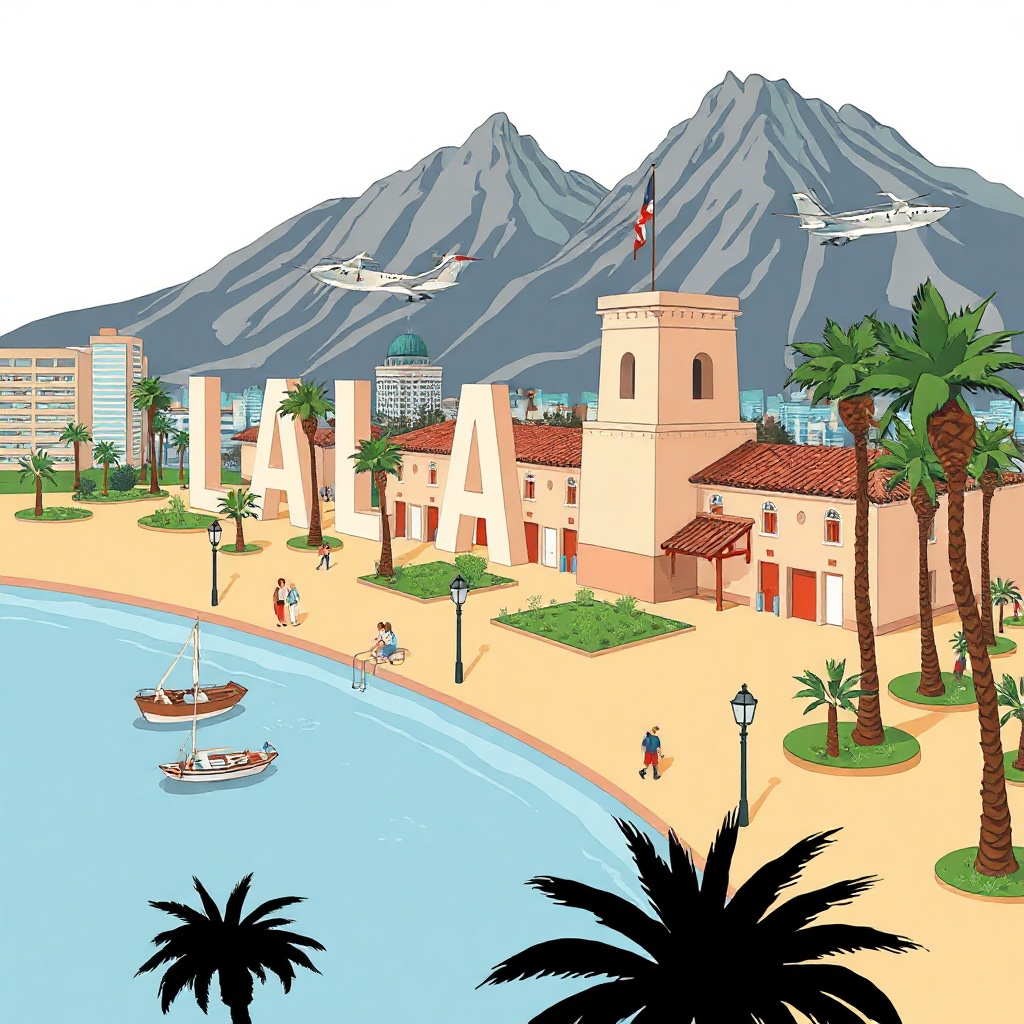
New plantings reduce surface temperatures, sequester carbon, and improve stormwater absorption.
– Cool roofs and pavements: Reflective roofing materials and lighter pavement surfaces bounce sunlight away instead of absorbing it, which lowers building and street temperatures.
– Green infrastructure: Bioswales, permeable pavement, and rain gardens capture stormwater, reduce runoff, and add vegetation that cools the immediate area.
– Shade at transit stops: Adding covered shelters, misters, and green walls at bus and rail stops makes public transit more comfortable and encourages use during warm spells.
– Building design updates: Incentives for green roofs, rooftop gardens, and better insulation help reduce cooling demand and improve microclimates.
Equity and neighborhood-focused action
Heat doesn’t affect every neighborhood equally.
Areas with less tree cover and more paved surfaces can be several degrees warmer. Community-driven tree planting, local cooling hubs (libraries, recreation centers), and targeted funding for low-income neighborhoods are helping close that gap. Residents and neighborhood councils can often apply for tree giveaways, volunteer planting events, or microgrants for small greening projects.
Practical tips for staying safe and comfortable
– Time activities smartly: Move outdoor workouts and errands to early morning or evening when temperatures are lower.
– Dress for heat: Lightweight, breathable fabrics and wide-brim hats reduce sun exposure. Use sunscreen and sunglasses for added protection.
– Hydrate and cool: Keep water on hand, use wet cloths or cooling towels, and consider a battery-powered fan when shade is limited.
– Chill indoors efficiently: Use reflective window coverings and fans to circulate air. Pre-cool living spaces at night when temperatures dip.
– Know your nearby cooling options: Libraries, community centers, and some malls open as cooling spots during heat advisories—check local websites and social channels for alerts.
– Make streets cooler: Homeowners and renters can add shade trees, install green roofs or reflective roof coatings, and replace small patches of lawn with drought-tolerant shade plants to lower surface heat.
How businesses and developers can help
Restaurants, shops, and office buildings can add shade structures, invest in green roofs or walls, and choose lighter paving for patios and sidewalks.
Employers can shift schedules to avoid peak-heat hours, provide hydration stations, and update heat-safety policies for outdoor workers.
Getting involved
Neighborhood planting days, volunteering with local environmental groups, and attending community planning meetings are practical ways to shape how L.A. adapts to heat. Small actions—planting a street tree, installing a reflective roof, or creating a community garden—combine into large benefits for public health, energy use, and the city’s overall resilience.
Los Angeles is adapting with a mix of technology, nature-based solutions, and community effort. By pairing big-picture investments with everyday habits, residents and businesses can help cool their neighborhoods and build a more comfortable, equitable city for everyone.
