Los Angeles is redefining how a sprawling metropolis copes with rising temperatures.
Facing frequent heat waves and persistent urban heat islands, the city is rolling out strategies that combine large-scale infrastructure, neighborhood-level interventions, and simple household changes.
Whether you live in central LA or on the outskirts, these approaches can make a measurable difference in comfort, health, and energy bills.
Why urban heat matters in Los Angeles
Dense development, dark pavement, and limited tree canopy concentrate heat in many neighborhoods. Heat exacerbates health risks—especially for older adults, outdoor workers, and people without reliable cooling—and drives up electricity demand from air conditioning. Tackling heat is not just an environmental issue; it’s a public health and equity priority.
City-scale solutions shaping the future
Municipal efforts focus on reducing heat at scale through reflective and green infrastructure. Programs to expand tree canopy across priority neighborhoods aim to increase shade and lower surface temperatures. Streetscaping projects replace asphalt with reflective or permeable pavements to reduce absorbed heat and improve stormwater capture. Rooftop initiatives encourage cool roofs and solar-reflective materials that cut indoor temperatures and energy use.
Water management plays a crucial role: stormwater capture and water recycling help sustain new urban plantings without straining regional supplies.
Revitalization of riparian corridors and regional parks also creates continuous green corridors that reduce localized heat and improve air quality.
Neighborhood and community approaches
Smaller-scale actions amplify city efforts. Community groups are organizing tree-planting drives, converting parking strips into mini-parks, and transforming underused lots into shaded resting spaces. Local businesses are adopting awnings, exterior shading, and green walls to keep storefronts cooler and more welcoming.
Cooling centers and hydration stations are increasingly integrated into public libraries, community centers, and transit hubs, offering immediate relief during extreme heat events. Outreach programs target vulnerable residents with information on heat-safety, emergency preparedness, and how to access local services.
Practical steps residents can take now
– Increase shade: Plant street trees or container shade trees where feasible, or install retractable awnings on windows and patios.
Shade is one of the most effective ways to lower indoor and outdoor temperatures.
– Use reflective surfaces: Apply cool-roof coatings or lighter-colored paint on flat roof surfaces to reduce heat gain. Shade cloths and reflective window films also help.
– Prioritize hydration and ventilation: Use fans strategically, hydrate frequently, and keep windows shaded during peak heat hours. Portable swamp coolers offer efficient cooling in dry areas.
– Advocate locally: Support neighborhood greening projects and city programs that prioritize heat-reduction investments in underserved areas. Attend community meetings and vote on local measures that fund green infrastructure.
How technology and design are evolving
Emerging tools like high-resolution heat mapping help planners target interventions where they’ll have the most impact. Smart irrigation systems and drought-resilient plant palettes reduce water demands while maintaining canopy benefits.
Designers are increasingly blending passive cooling principles—like cross-ventilation and thermal mass—with contemporary aesthetics, making comfort part of everyday urban life.
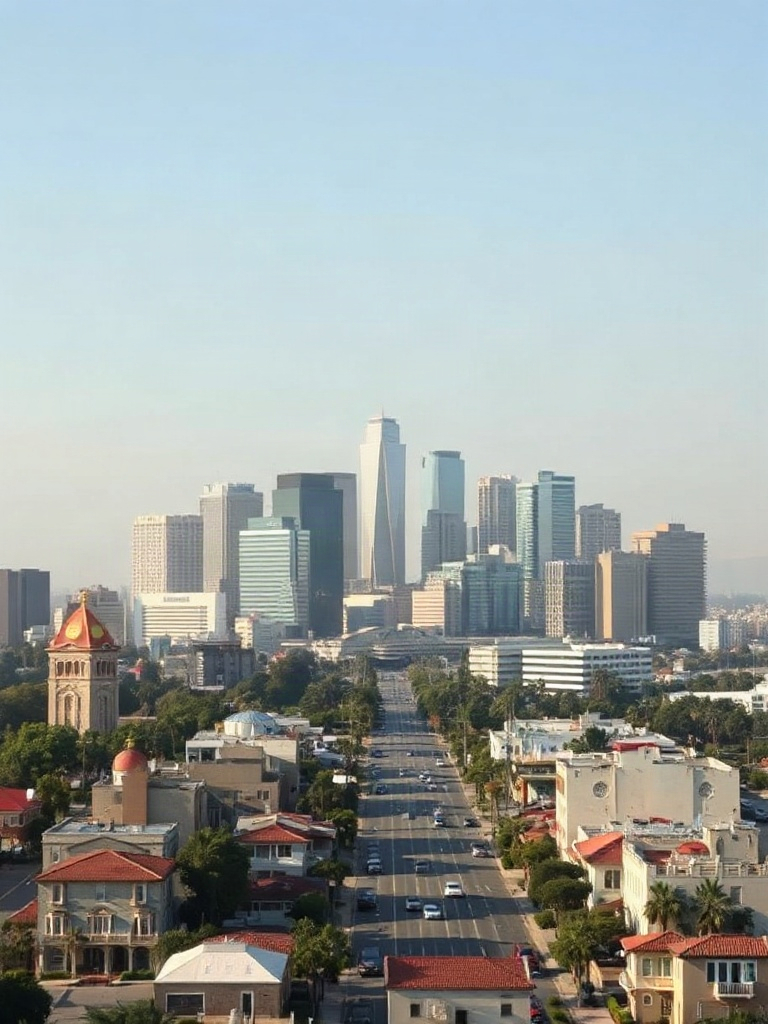
Los Angeles has the resources and civic momentum to turn the heat challenge into an opportunity for healthier, greener neighborhoods. Small actions by residents, paired with coordinated public investment, can significantly cool the city and improve quality of life for everyone. If you’re looking to get involved, start by checking local tree-planting initiatives, cooling center locations, and municipal programs that offer rebates for cool roofs and shade structures.