Los Angeles Reinvents Itself: Transit, Green Spaces, and a New Urban Rhythm
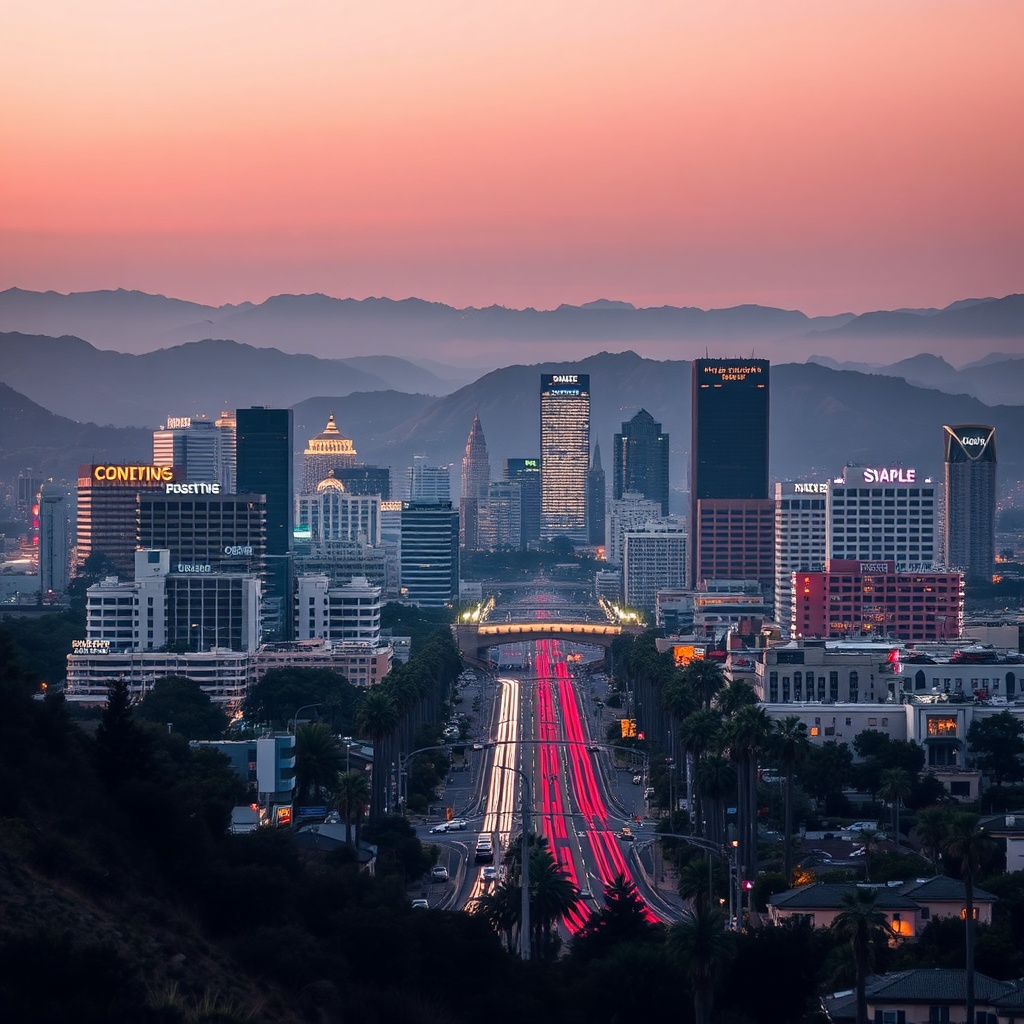
Los Angeles is shedding old assumptions and evolving into a city defined by mobility, climate resilience, and neighborhood-driven culture. What used to be seen as a city of freeways and sprawl is increasingly recognized for expanding transit, investing in green infrastructure, and nurturing local creativity—changes that affect residents, businesses, and visitors alike.
Transit and connectivity
Transit has become a major focus, with rail and bus projects extending connections across neighborhoods once hard to reach. The growing network makes commuting without a car more feasible, and increased frequency on key corridors is encouraging more people to choose public transit. Riders notice improvements in station design, accessibility, and last-mile options—scooters, bikes, and shared micro-mobility services integrate with transit hubs to solve the trip-from-station challenge.
Micromobility and active transportation
Bike lanes and protected pathways are being added to make streets safer for cyclists and pedestrians. Neighborhoods are experimenting with “slow streets” and car-free events that temporarily repurpose asphalt for markets, performances, and play. These initiatives support healthier lifestyles and reduce short-distance car trips, especially when paired with bike-share programs and more secure bicycle parking.
Climate resilience and green infrastructure
Facing hotter, drier periods and an ever-present wildfire threat, Los Angeles is prioritizing climate resilience. Urban forestry projects increase canopy cover to cool neighborhoods naturally.
Green infrastructure—bioswales, permeable pavement, and expanded parks—improves stormwater capture and reduces flood risk while making public spaces more inviting. Water conservation is also a focus, with incentives for drought-tolerant landscaping and smart irrigation systems that help homes and businesses stay resilient.
Housing and neighborhood revitalization
Housing remains a pressing concern, and city leaders plus community groups continue to pursue creative solutions. Accessory dwelling units (ADUs) have opened opportunities for homeowners and renters, while targeted investments aim to revitalize commercial corridors without displacing long-term residents. Community benefit agreements and inclusive planning are becoming more common tools to balance development with neighborhood character.
Cultural vibrancy and local entrepreneurship
Creative energy drives Los Angeles’ neighborhoods: pop-up galleries, food halls, and independent theaters animate streets and support small businesses. The film and music industries remain anchors, but a broader ecosystem of creators is thriving—designers, chefs, artisans—bringing new cultural experiences to both historic districts and emerging hubs.
Food culture continues to be a standout, with diverse, affordable options ranging from taco trucks to experimental tasting menus.
Practical tips for residents and visitors
– Plan trips using multimodal apps that combine transit, micromobility, and ride services to save time and money.
– Explore neighborhood transit hubs early or late in the day for fewer crowds and easier parking.
– Take advantage of pop-up cultural events and farmer’s markets to discover local businesses and unique foods.
– Consider sustainable commuting options—biking, carpooling, or transit—to reduce stress and parking costs.
What this means moving forward
Los Angeles’ trajectory emphasizes quality of life: cleaner streets, more accessible transit, and resilient neighborhoods. Change is uneven across the city, and community engagement remains critical to ensure benefits reach all residents. For anyone living in or visiting Los Angeles, the city’s reinvention offers new ways to move, work, and play—rooted in local neighborhoods and powered by a growing commitment to sustainability and inclusivity.