Los Angeles is reshaping how people move around the region. Long-known for car culture and sprawling freeways, the city is embracing a more multimodal future where public transit, micro-mobility and safer streets play a bigger role in daily life.
The result is a more connected, resilient city that offers real alternatives to driving alone.
Public transit is getting more attention and investment.
Light rail and bus corridors are expanding service into neighborhoods previously underserved by frequent transit. Bus rapid transit is becoming a practical option on busy streets, offering faster, more reliable trips with dedicated lanes and priority signaling. Riders benefit from improved station amenities, real-time trip information via apps, and integrated fare systems that make transfers easier across multiple agencies.
Micro-mobility—shared e-scooters, dockless bikes and pedal-assist bikes—has gone from novelty to everyday tool for short trips and last-mile connections. These devices thrive in areas with protected bike lanes and low-stress streets, so cities are increasingly turning underused curbspace into safer corridors for people on two wheels. Programs that pair shared micro-mobility with transit hubs make it simpler to leave the car at home and finish a trip quickly and affordably.
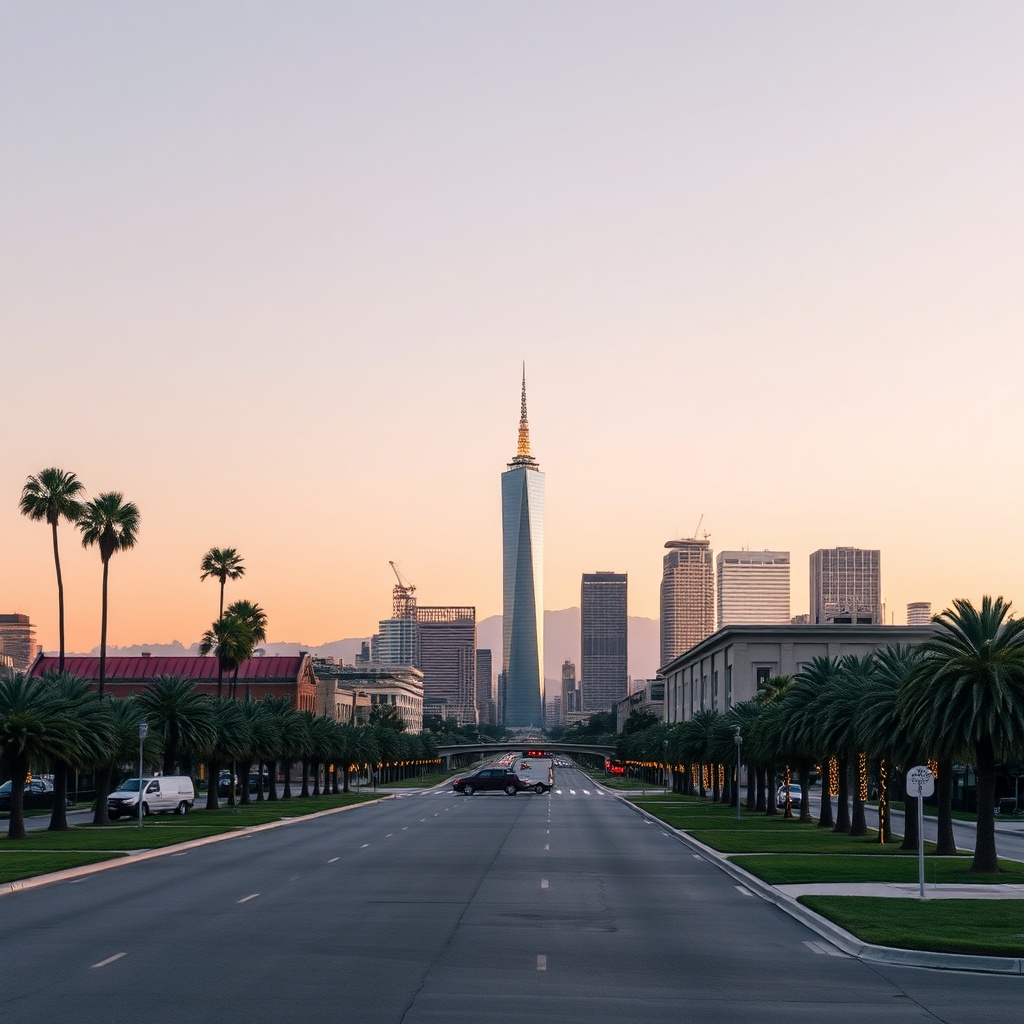
Street design is changing to match these new travel patterns. Protected bike lanes, widened sidewalks, curb extensions and pop-up plazas not only improve safety but also activate commercial corridors. Open-street events and temporary demonstrations help communities test design ideas before permanent construction, building public support and providing valuable data on how changes affect traffic, retail activity and pedestrian behavior.
Safety remains a top priority. Helmet campaigns, slower speed limits in dense neighborhoods, and better lighting at stations and stops are part of a broader push to reduce collisions and increase confidence for walkers, cyclists and scooter riders. Transit agencies and city departments are coordinating outreach and education, and enforcement is being balanced with infrastructure improvements to make streets feel safer for everyone.
For commuters and visitors, planning a multimodal trip is easier than ever.
Transit apps show schedules and vehicle locations, while bike-share and scooter apps display nearby units and parking zones. Many riders combine a quick scooter trip or bike ride with a rail or bus segment to shave time off commutes without the hassle of parking. Look for secure bike parking at major stations and consider a folding bike or mobility rental if you need flexibility.
Sustainability and resilience are woven into mobility planning. Reducing vehicle miles traveled through better transit and active transportation lowers emissions and helps the city adapt to hotter summers and heavier storm events. Tree canopy, permeable sidewalks and green medians contribute to cooler, more comfortable travel corridors, while transit investments make evacuation and emergency response more robust.
If you’re navigating Los Angeles, start by exploring transit agency trip planners and the major mobility apps to find combined routes that save time and money. Be mindful of local rules for scooters and bikes, use visible lights after dark, and pick protected lanes whenever possible. Embracing a mix of walking, rolling and transit not only eases the commute but also connects you more closely to neighborhoods, shops and public life.
Los Angeles is becoming a place where moving around is less about the fastest car trip and more about convenient, healthy choices—if you’re ready to try a different way of getting from A to B, the options are expanding and becoming easier to use.