Los Angeles is shedding its long-standing reputation as a city strictly built for cars.
A visible shift toward smarter, greener mobility is reshaping how Angelenos move, live, and work — from expanded transit corridors to a boom in micromobility options and transit-oriented development.
A more connected transit network
Public transit in LA has moved beyond a single subway line and sparse bus routes. Multiple light-rail and subway extensions are making once-car-dependent neighborhoods more accessible, and major transit hubs are being reimagined as multimodal centers where rail, buses, bike lanes, ride-shares, and pedestrian streets meet. Union Station remains a central node for regional travel, while new corridors are linking downtown to coastal and valley neighborhoods, cutting commute times and opening up housing and job markets.
Micromobility and last-mile solutions
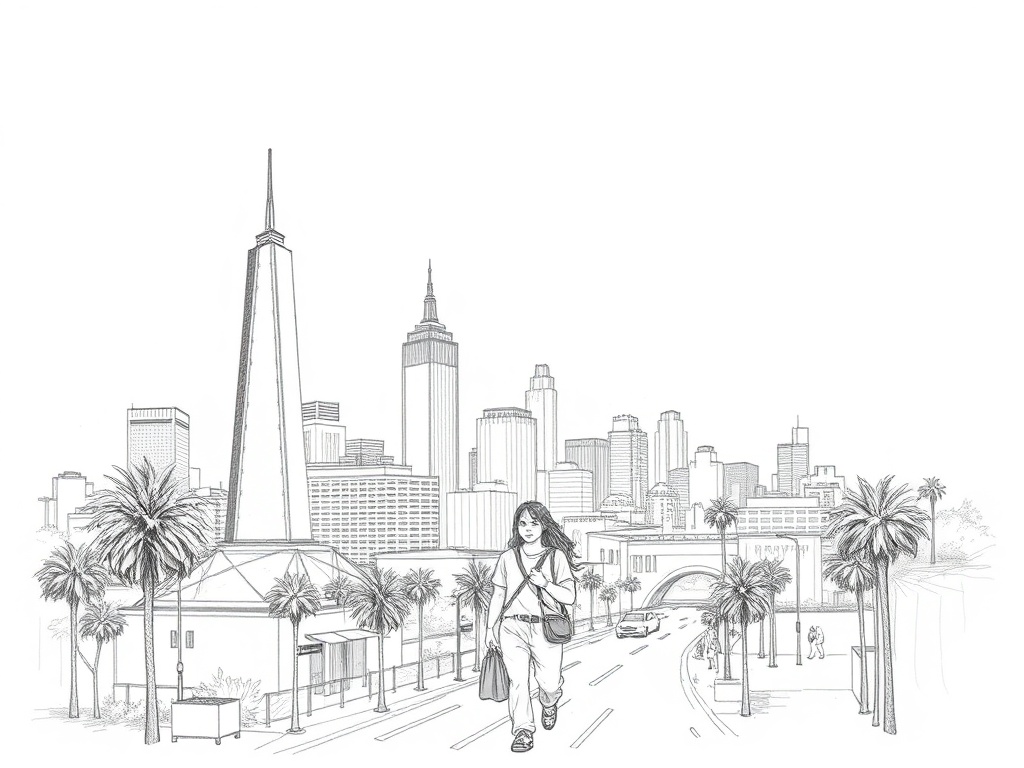
E-scooters, dockless bikes, and shared e-bikes have become staples for short trips and last-mile connections. These services complement transit by solving the distance between a stop and a final destination, reducing the need to drive for errands or short commutes. Cities across the region are refining rules around parking zones, speed limits, and data sharing to improve safety and integration, while private operators innovate with swappable batteries and geofenced parking.
Electrification and cleaner fleets
Municipal fleets and transit agencies are moving toward electrification to meet climate and air-quality goals. Electric buses are entering service on key corridors, and incentives for electric vehicle ownership — plus expanding charging infrastructure — are encouraging adoption among private drivers. The shift supports better neighborhood air quality, particularly in communities historically burdened by heavy traffic and freight routes.
Transit-oriented development and housing
Land near major transit stops is seeing more mixed-use development, combining housing, retail, and office space to create walkable neighborhoods. Transit-oriented development helps reduce vehicle miles traveled and supports local businesses by increasing foot traffic. Policymakers are balancing growth with preservation efforts and community input to ensure new projects address affordability and neighborhood character.
Designing streets for people
Streetscapes are changing with safer bike lanes, pedestrian plazas, and complete-streets projects that prioritize non-car travel. These improvements make walking and biking more appealing and help slow traffic in dense commercial corridors. Placemaking initiatives — street furniture, public art, and outdoor dining — are helping transform formerly traffic-focused areas into vibrant public spaces.
Challenges and equity considerations
Despite progress, challenges persist. Congestion remains an issue on major freeways, and transit service needs to be frequent, reliable, and affordable to shift modal choices at scale. Equity is a central concern: investments must prioritize neighborhoods that have faced decades of underinvestment and pollution. Community engagement and targeted funding can help ensure that benefits of improved mobility are widely shared.
Practical tips for getting around
– Use real-time transit apps and the local fare card to streamline trips across agencies.
– Try micromobility for short hops and last-mile gaps, but always follow local parking rules.
– Consider a multimodal commute: park-and-ride, bike to a nearby station, or combine transit with ride-shares for peak flexibility.
– Stay informed about local planning meetings — public input shapes route changes and street redesigns.
Los Angeles’s mobility landscape is evolving toward a more diverse, sustainable system that supports economic activity and quality of life. Continued investment, smart policy, and community-led planning will be key to turning current momentum into long-term, equitable change.