Getting Around Los Angeles Without a Car: A Practical Guide
Los Angeles has long been associated with sun, surf and wide freeways, but moving around the city without a car is more doable and enjoyable than many expect. Whether visiting for a weekend or living locally, car-free travel highlights neighborhoods, restaurants and attractions that are easy to savor on foot, by bike or using public transit.
Why go car-free in LA?
– Avoid parking headaches and expenses
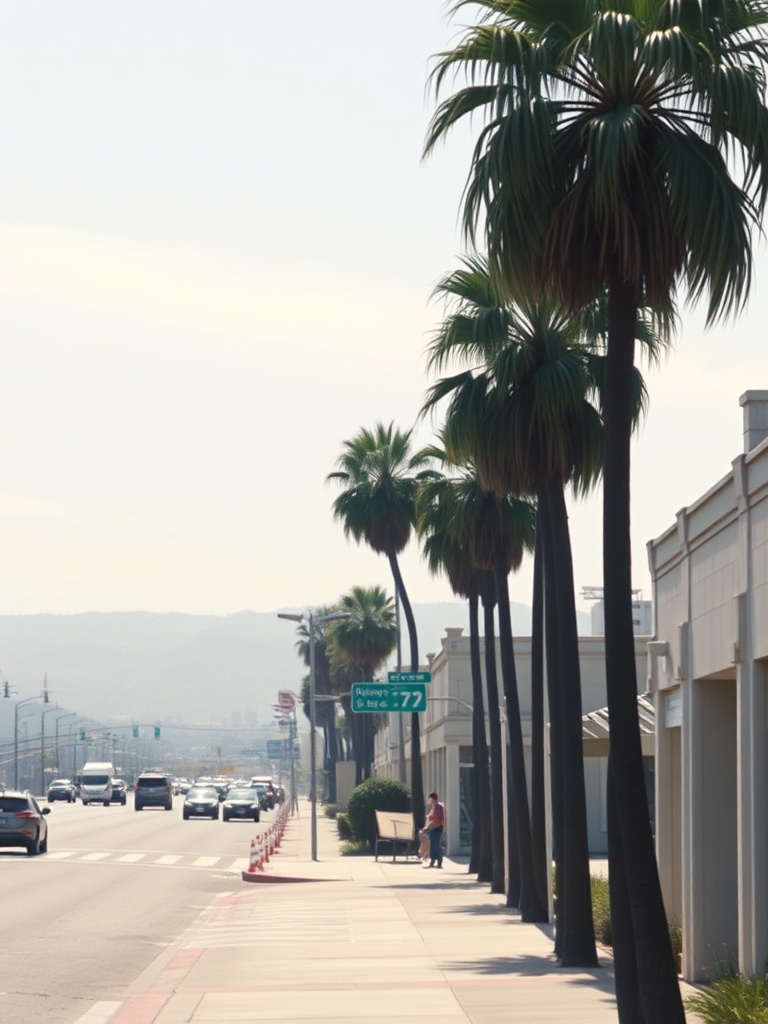
– Experience neighborhoods at human speed
– Reduce environmental impact while staying flexible
– Discover hidden alleys, parks and local businesses missed from a car
Top transit and mobility options
– Metro Rail and buses: A network of subway and light-rail lines plus an extensive bus system connects core neighborhoods from Downtown to the Westside and beyond. Trains are fast for cross-city travel and often bypass freeway congestion.
– Commuter rail: Regional rail serves longer trips from suburbs into central Los Angeles, useful for day-trippers from outlying areas.
– Bike share and bike lanes: Bike-share stations, protected bike lanes and dedicated paths (including the beachfront Marvin Braude Bike Trail) make cycling a practical choice for many short-to-medium trips.
– Micromobility: Shared e-scooters and e-bikes fill gaps for last-mile connections. Dockless services operate across many neighborhoods, though availability varies.
– Rideshare and microtransit: Taxis, rideshare apps and on-demand shuttles provide flexible options when transit schedules don’t line up.
Neighborhoods best explored without a car
– Santa Monica & Venice: Compact, beachfront neighborhoods with walkable streets, bike paths, outdoor dining and independent shops.
Surf views and the boardwalk are easy to reach by bike or bus.
– Downtown LA & Arts District: A dense mix of museums, theaters, markets and cafés within walking distance. Rail lines and frequent buses make the area accessible without driving.
– Hollywood & West Hollywood: Entertainment, dining and nightlife are concentrated in walkable corridors with good transit connections and plenty of pedestrian activity.
– Koreatown, Silver Lake & Echo Park: Trendy neighborhoods with compact restaurant scenes, neighborhood parks and creative retail that reward walking or short rides.
Practical tips for smooth travel
– Plan with apps: Use transit planning apps and maps to combine rail, bus and micromobility options. Real-time arrival info avoids long waits.
– Think multi-modal: Combine a train or bus for longer stretches with a bike, scooter or short rideshare for the first/last mile.
– Carry essentials: Comfortable shoes, sun protection and a small reusable water bottle make walking and biking easier.
– Check schedules and service alerts: Rail and bus service patterns can shift for maintenance or events. A quick check before leaving prevents surprises.
– Pack light: Maneuvering on trains or through crowded sidewalks is faster with a compact bag.
Safety and etiquette
– Lock bikes and secure scooters when parked; use designated racks and docks.
– Respect bike lanes and pedestrian zones; follow local traffic rules when riding.
– Keep an eye on belongings on busy transit and in crowded neighborhoods.
Car-free travel in Los Angeles opens a different side of the city—one that favors discovery, local flavors and slower moments. With expanding transit options, extensive bike infrastructure and compact neighborhood hubs, more visitors and residents are finding that a car is no longer the only way to experience LA’s vibrant streets.