Getting around Los Angeles without a car is easier and more practical than many expect. A growing network of rail, buses, bike lanes, rideshares and pedestrian-friendly zones makes LA navigable for locals and visitors who prefer to skip driving. Here’s a compact guide to moving around efficiently and confidently.
Public transit: Metro rail and buses
Los Angeles’ rail and extensive bus network connect major neighborhoods and attractions—downtown, Hollywood, Koreatown, Santa Monica, Long Beach, and Pasadena are all reachable by transit. For seamless boarding, use the regional transit card or mobile app accepted across most services. Rail tends to be faster for longer trips and avoids freeway traffic; buses and rapid bus routes fill in the gaps for cross-town travel.
Plan trips with official transit apps or reliable third-party apps that show real-time departures, service alerts and trip comparisons. Pay attention to frequency during evenings and weekends, when service patterns can change.
Last-mile options: local shuttles and microtransit
DASH and other municipal shuttles are inexpensive ways to cover short distances, connect neighborhoods, and reach transit hubs. Many downtown neighborhoods and tourist areas offer circulators that run frequently and are easy to catch.
Micromobility: bikes, e-bikes and scooters
Bikes and e-bikes are excellent for short to medium trips, especially with expanding protected bike lanes along key corridors. Bike-share stations and dockless e-bike/scooter fleets provide flexible last-mile choices—just check parking rules to avoid fines. Follow local regulations: helmet use is strongly recommended, and sidewalk riding may be restricted in some areas.
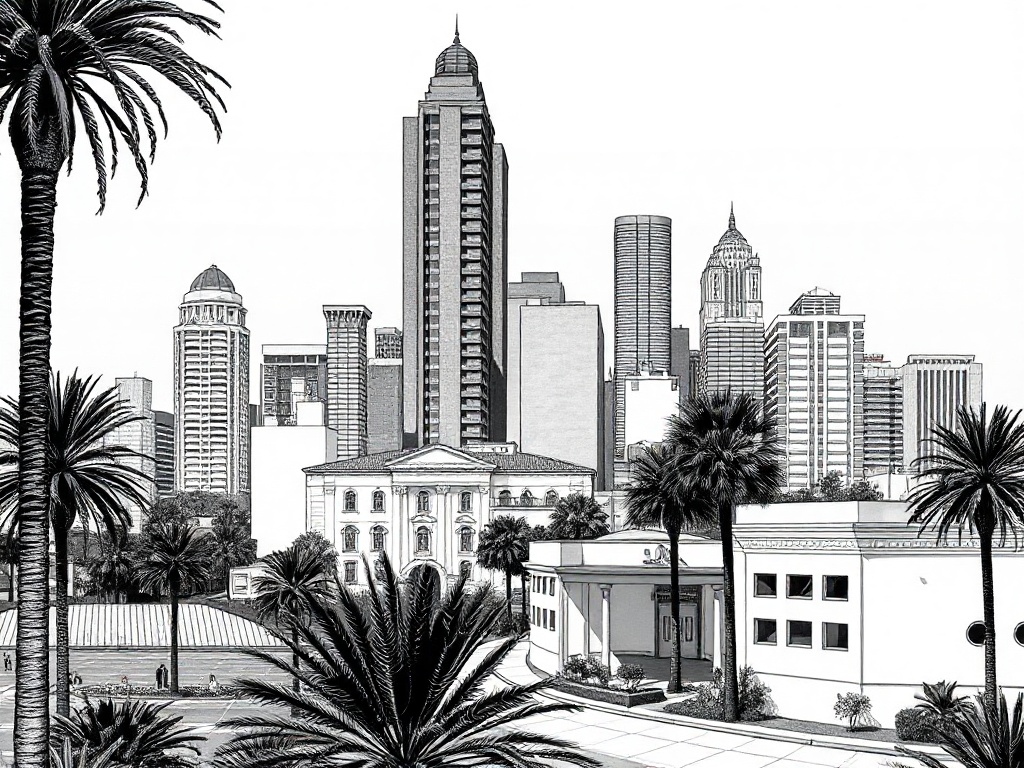
If you plan to ride longer or explore trails, consider a hybrid or e-bike for hills. Many rentals and bike shops offer guided rides and maps highlighting bike-friendly routes.
Rideshares and car alternatives
Rideshare apps are convenient for late-night returns, trips to areas with limited transit, or airport runs. Car-sharing services can be useful for day trips where a vehicle is necessary—book hourly to avoid full-day fees. For airport transfers specifically, dedicated airport shuttles run between major terminals and key neighborhoods, often costing less than private rides.
Walking and pedestrian-friendly neighborhoods
Several neighborhoods are highly walkable and designed for foot traffic—downtown’s cultural core, West Hollywood, Santa Monica’s promenade, and parts of Silver Lake and Echo Park feature compact blocks, dining, and nightlife within easy walking distance. When planning an itinerary, cluster activities by neighborhood to maximize walking and reduce transit transfers.
Tips for a smooth trip
– Download a few transit apps: the official transit authority app plus a general trip-planning app helps compare options in real time.
– Keep a charged phone and portable power bank; many riders rely on mobile tickets and maps.
– Carry a small lock if you bring your own bike or rent one for several hours.
– Be mindful of peak traffic windows if combining transit with rideshares—rail can save time during heavy congestion.
– Stay aware of service alerts and planned maintenance that may affect certain lines or routes.
Whether you’re commuting, exploring, or visiting for the weekend, LA offers multiple car-free pathways. With a bit of planning and the right apps, getting around can be efficient, more affordable, and even more enjoyable than driving.