Los Angeles is changing the way people move. Once defined by freeway sprawl and long commutes, the city is increasingly focused on making streets work for everyone — commuters, transit riders, cyclists, and pedestrians.
That shift is visible across transit expansion, protected bike lanes, micromobility options, and local policies that encourage walking and transit use.
Transit growth and better connections
Los Angeles has invested heavily in rail and bus improvements to connect neighborhoods that were previously car-dependent. New and extended light-rail and subway corridors make it easier to travel between the Westside, downtown, the Valley, and coastal communities without driving. Bus rapid transit lines and dedicated busways speed trips along busy arterials, while upgraded stations and real-time arrival screens improve the rider experience. For anyone navigating the city, combining rail and buses often cuts travel time and reduces parking hassles.
Micromobility and last-mile solutions
E-scooters and e-bikes have become a practical part of LA’s transit mix.
Dockless devices and bike-share stations fill the “last mile” gap between transit stops and final destinations, especially in denser neighborhoods and near university campuses. Many of these services integrate with transit apps, letting riders plan a single trip that includes public transportation and micromobility options. For safety, look for protected lanes, obey local speed rules, and wear a helmet when possible.
Biking and safer streets
Protected bike lanes are expanding across key corridors, shifting sections of the city toward safer, low-stress cycling. Vision Zero-inspired street redesigns and traffic-calming projects prioritize pedestrian safety and reduce severe collisions. Cyclists should take advantage of secure bike parking at major stations and business districts and consider hybrid or electric-assist bikes for hilly routes.
Neighborhood walkability and pocket districts
Certain neighborhoods are becoming more walkable and amenity-rich. Areas with higher transit frequency have seen a rise in local shops, cafes, and services clustered near stations, making errands and leisure trips easier on foot.
Exploring neighborhoods on foot reveals hidden businesses and vibrant street life that driving tends to miss — look for neighborhood markets, small galleries, and food corridors that reward walking.
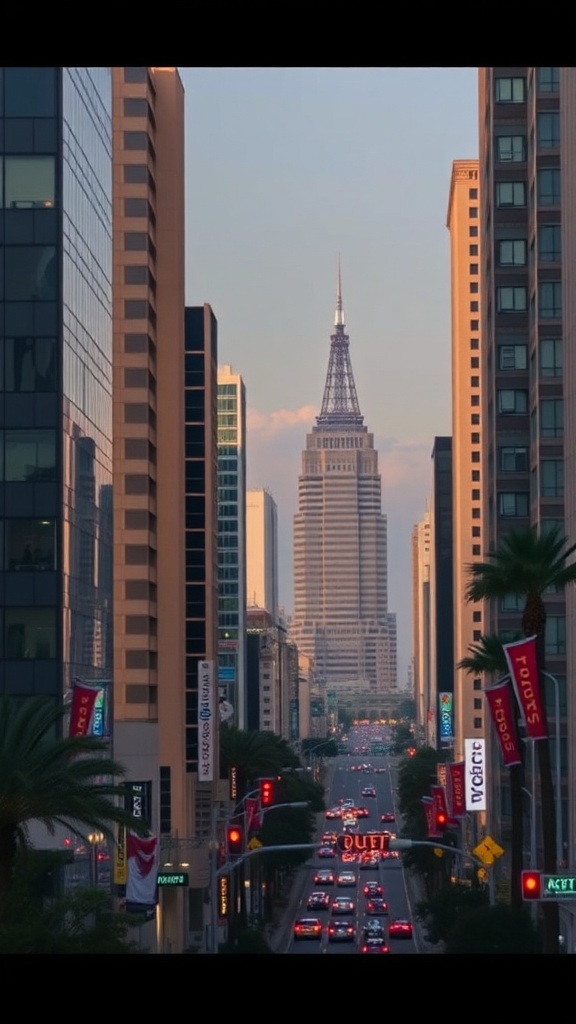
Tips for getting around efficiently
– Use transit apps that combine schedules, real-time arrivals, and payment options for seamless planning.
– Travel during off-peak windows when possible; transit is less crowded and traffic is lighter.
– Combine modes: park near a rail station, then use an e-bike or scooter for the last mile.
– Secure your bike and helmet; theft is common in busy areas.
– Stay aware of changing lane patterns and protected-bike-lane routes, especially after city improvements.
Sustainability and equity go hand in hand
Efforts to reduce car dependence are tied to environmental goals: lower emissions, better air quality, and reduced congestion. Equitable transit investments aim to serve essential workers and historically underserved neighborhoods, improving access to jobs, education, and services. As transit and active-transportation options expand, the benefits spread across communities.
What to expect when planning a visit or a move
Whether visiting for a weekend or relocating permanently, expect a mobility landscape that rewards planning.
Center your stays or daily routines around transit corridors for quicker access, and embrace micromobility for short hops. With growing investment in safer streets and expanded service, getting around Los Angeles is becoming more flexible and less car-centric — a change that makes exploring the city’s diverse neighborhoods easier and more enjoyable.