Los Angeles Streets Are Changing — More Space for People, Less for Cars
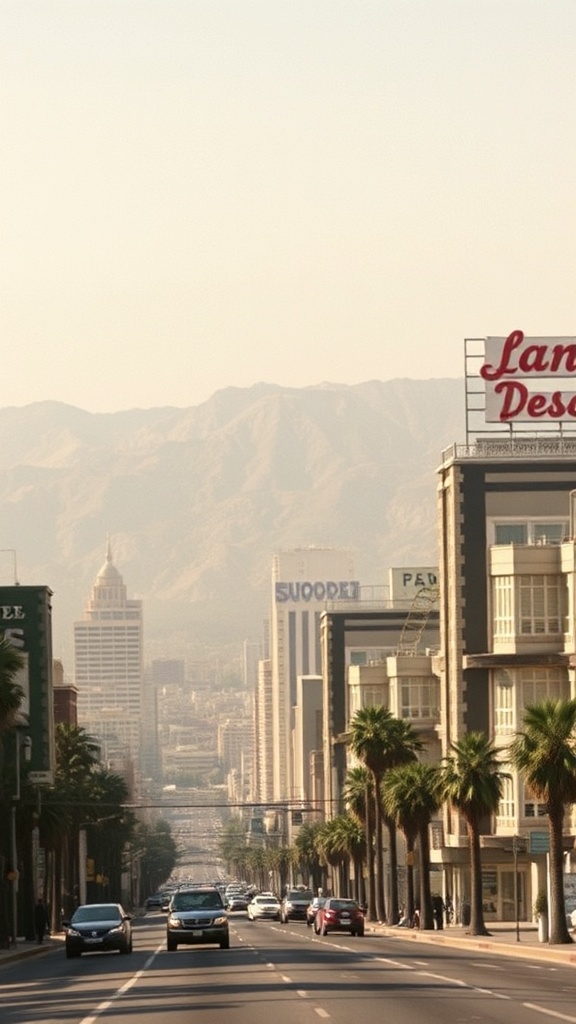
Los Angeles has long been defined by wide freeways and sprawling neighborhoods. That image is shifting as the city invests in streets and public spaces designed for people rather than just vehicles. From protected bike lanes and expanded transit to pop-up plazas and the LA River greenway, these changes are reshaping how Angelenos move, live, and connect.
Why streetscape change matters
Streets are the city’s most valuable public asset. When they prioritize pedestrians, cyclists, and transit riders, neighborhoods become safer, healthier, and more economically vibrant. Redesigns reduce traffic injuries, lower emissions, and give local businesses more foot traffic. For a metropolis where short trips often happen by car, creating attractive alternatives can transform daily life.
Key initiatives transforming LA streets
– Protected bike lanes: The network of buffered and protected lanes is growing across several neighborhoods, making cycling safer for commuters and casual riders. These lanes often include physical barriers or curb extensions that separate bikes from car traffic.
– Metro and transit improvements: Investments in bus priority lanes and station upgrades aim to make public transit faster and more reliable.
Transit-oriented development near key stations is encouraging walkable, mixed-use corridors.
– Open streets and pop-up plazas: Programs that temporarily close streets to cars for events — along with permanent pedestrian plazas — create public life where vehicles once dominated.
These spaces host markets, performances, and community gatherings.
– LA River revitalization: Efforts to restore riparian habitat and create continuous greenways are reconnecting neighborhoods to the river, adding walking and biking paths and new parks along the corridor.
– Micromobility regulation: E-scooters and e-bikes have become common, prompting targeted policies for parking corrals, speed limits in pedestrian zones, and geofencing near high-traffic sites to improve safety and curb clutter.
Equity and climate resilience
Planners are increasingly pairing streetscape upgrades with equity goals: prioritizing projects in neighborhoods that have lacked investment, improving access to jobs and services, and addressing heat island effects through shade trees and cool pavement. These efforts also support climate resilience by promoting lower-emission travel and improving stormwater capture through green infrastructure.
How residents can make the most of new streetscapes
– Try a short ride: Use a protected bike lane or local cycle route for errands or a short commute. Many neighborhoods now have safer connections than a few years ago.
– Check transit tools: Real-time apps and bus-rapid routes help you find faster, car-free options for daily trips.
– Attend open-street events: Local “open streets” and CicLAvia-style events are great low-pressure ways to experience new public spaces and meet neighbors.
– Practice micromobility safety: Wear a helmet, follow signage, and park scooters and bikes in designated zones to keep sidewalks clear.
– Advocate locally: Support tree plantings, pedestrian crossings, and traffic-calming measures at neighborhood meetings or via your local council office.
What to watch next
Expect continued focus on connecting gaps in the bike network, upgrading bus corridors with priority lanes, and expanding community-driven public spaces along transit routes and the LA River. Residents who learn the new networks and participate in community planning can help shape safer, greener streets that serve everyone.
These shifts mean Los Angeles is becoming more navigable by foot, bike, and transit.
Whether for daily errands or weekend exploration, the evolving streetscape invites Angelenos to rediscover their neighborhoods with fresh eyes.