Los Angeles is reshaping itself to meet the challenges of a changing climate while preserving the cultural energy that defines the region. From heat waves and drought to coastal risk and wildfire smoke, the city’s approach blends large-scale infrastructure projects with neighborhood-level strategies. The result is an evolving blueprint for resilience that residents, businesses, and visitors can engage with.
Heat and urban cooling
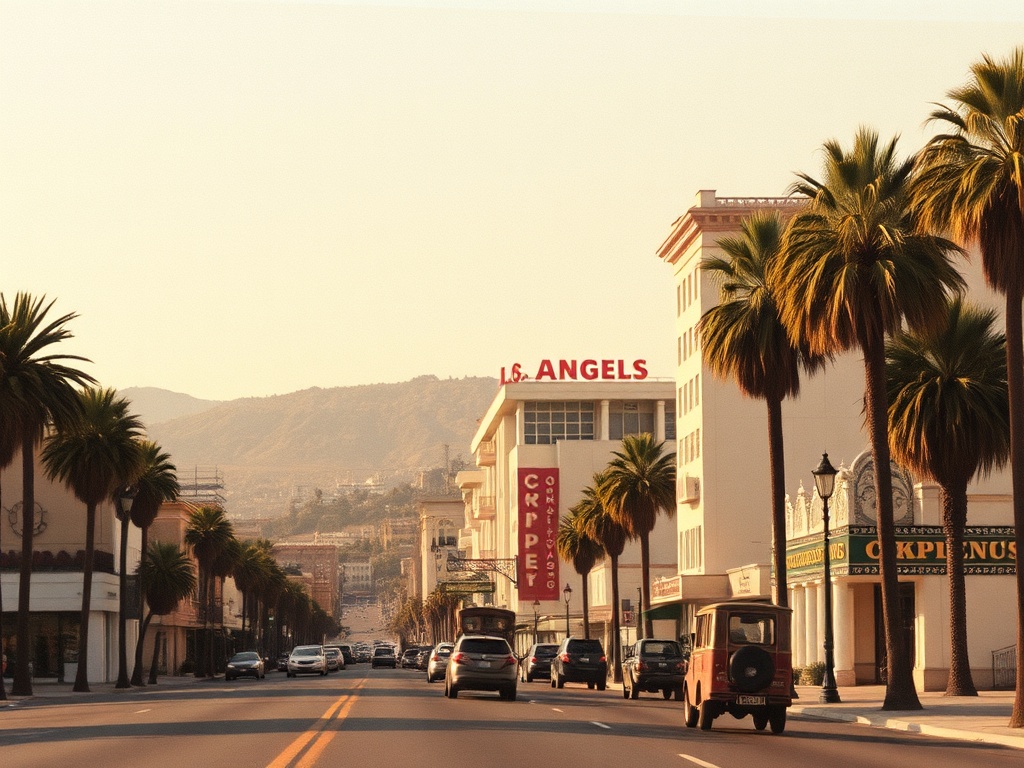
Los Angeles’ famously varied microclimates mean heat can be intense in some neighborhoods while coastal areas stay mild. Citywide efforts focus on reducing the urban heat island effect through tree canopy expansion, cool roofs and reflective pavement, and increased shade in public spaces.
Local governments and community groups are planting trees along streets and in parks, prioritizing areas with limited shade. Homeowners and renters can help by choosing light-colored roofing or installing shade structures, and by supporting community tree-planting events.
Water resilience and drought preparedness
Water conservation remains a priority. Strategies extend beyond conservation messaging to include stormwater capture, recycled water programs, and incentives for water-efficient landscaping. “Greywater” systems and drought-tolerant landscaping are becoming more common, and public investments aim to diversify supply sources and reduce dependence on imported water. Residents can adopt low-water landscaping and retrofit fixtures to reduce household use, while businesses can pursue water audits and efficiency upgrades.
Wildfire and air quality measures
Wildfire smoke is an intermittent but serious concern across the region. Preparedness includes improved vegetation management, early-warning systems, and expanding clean-air refuges such as libraries and community centers equipped with high-efficiency filtration. Indoor air quality improvements—upgrading filters, using portable air cleaners when smoke is present—provide immediate benefits to households.
Coastal resilience and flood management
With varied coastlines and a dense web of coastal communities, Los Angeles is working on living shoreline projects, dune restoration, and improved seawall design to buffer coastal erosion and storm surge. Enhanced stormwater capture and improved drainage systems reduce flood risk in upland and low-lying neighborhoods.
Transportation and clean energy
Reducing emissions and increasing mobility resilience are intertwined goals. Investments in public transit, bike lanes, and pedestrian-friendly streets aim to reduce car dependence and heat-trapping pavement. Electrification of vehicle fleets and broader charging networks support cleaner transportation. For residents, combining public transit, e-bikes, and carpooling can lower emissions while reducing exposure to grid disruptions.
Community-led solutions and equity
Equity is central to resilience planning.
Programs prioritize underserved neighborhoods that face the greatest exposure to heat, pollution, and water scarcity. Community-based organizations play a big role in outreach, implementing local solutions like community gardens that improve soil health and reduce runoff, or neighborhood cooling centers that double as community hubs.
Practical steps for residents
– Plant native, drought-tolerant species and reduce lawn area to lower water use.
– Install shade structures or reflective roofing materials to reduce indoor heat.
– Prepare an air-quality plan: masks for smoke events, upgraded filters, and a designated clean-air room.
– Embrace multimodal travel where feasible: transit, walking, cycling, and car-sharing.
– Support local initiatives and attend community resilience meetings to stay informed and involved.
Los Angeles’ resilience landscape is a mix of big infrastructure and daily choices. As climate impacts continue to shape urban life, collaborative solutions—between agencies, neighborhoods, and businesses—are turning challenges into opportunities for healthier, more livable communities. Staying informed, getting involved, and making small changes at home all contribute to a more resilient city for everyone.