Los Angeles by Microclimate: How to Explore the City Like a Local
Los Angeles is more than a city—it’s a tapestry of neighborhoods, each with its own feel, weather, and best ways to explore.
Understanding LA’s microclimates and mobility options unlocks more authentic experiences, whether you’re chasing coastal fog, hiking sunny ridgelines, or hunting down the best late-night tacos.
Know the microclimates
Los Angeles has a Mediterranean climate overall, but conditions vary block by block. Coastal neighborhoods like Santa Monica and Pacific Palisades are cooled by sea breezes and marine layer fog that lifts by mid-morning.
Inland valleys and neighborhoods such as the San Fernando and San Gabriel areas can be significantly warmer and drier.
The Hollywood Hills and Griffith Park provide higher, cooler elevations and crisp evening air.
Pack layers—even when the forecast looks warm—so you’re comfortable across beach, canyon, and rooftop settings.
Plan around transit and traffic
Traffic defines how much ground you can cover. Peak congestion can make short distances take much longer, so plan activities within walkable clusters when possible.
LA’s rail and bus network now connects many popular hubs—Downtown, Hollywood, Koreatown, and parts of the Westside—making it viable to combine museum visits with a food market crawl without relying on a car.
Ride-share, bike-share, and e-bike options fill in first-mile/last-mile gaps. For scenic trips, consider riding a boardwalk or bike path along the coast to avoid slow freeway routes.
Explore neighborhoods with purpose
– Coastal culture: Walk the Santa Monica Pier, rent a bike on the Marvin Braude Bike Trail, or take an early morning surf session in Venice. Visit Third Street Promenade for outdoor shopping and restaurants.
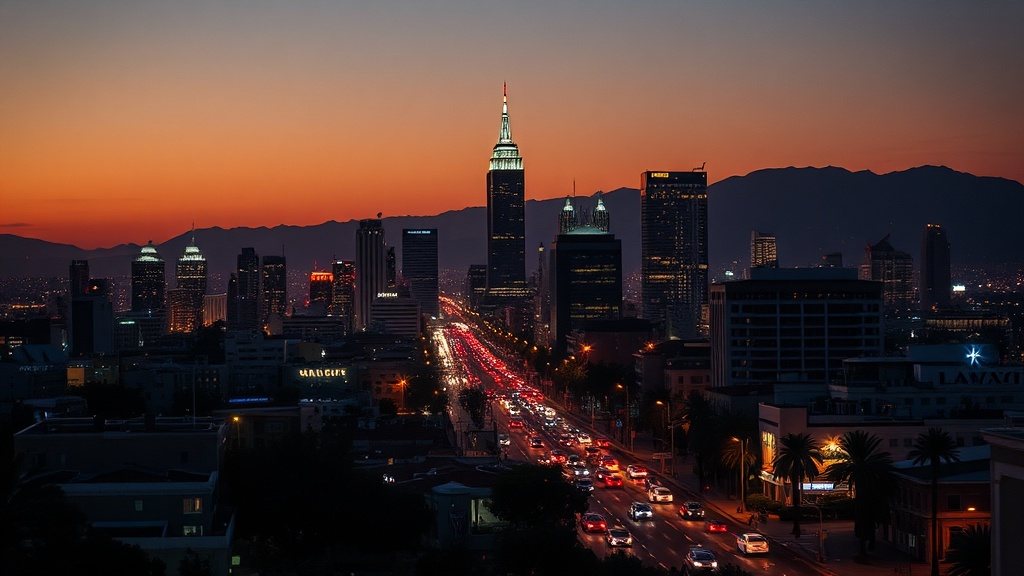
– Hills and views: Hike Runyon Canyon or the trails around Griffith Park for skyline views, then visit Griffith Observatory for a panoramic city perspective.
– Arts and museums: Spend time at the Getty and LACMA for high-quality collections, or experience contemporary work at The Broad and smaller galleries in Downtown and Culver City.
– Food and markets: Grand Central Market is an ideal starting point for downtown eats; explore neighborhood gems in Koreatown, Boyle Heights, and East LA for diverse, flavorful dishes.
– Emerging scenes: Stroll Silver Lake and Echo Park for coffee shops, indie boutiques, and rooftop bars that showcase local creativity.
Timing and tickets
For popular attractions, book timed-entry tickets and arrive early to avoid crowds and midday sun. Outdoor activities are best during morning or late afternoon; sunsets along the coast and skyline views from hilltops are memorable but arrive before dusk to secure parking or access.
Sustainability and safety
LA has invested in bike lanes, electric vehicle charging, and public transit improvements. Use reusable water bottles, support local markets, and choose active transport where practical. Keep safety in mind—stick to well-lit, populated areas after dark, and secure belongings in crowded spots.
Local etiquette and tips
Respect residential neighborhoods by keeping noise levels down and parking legally. Tip generously at restaurants and for delivery or rideshare drivers. Ask baristas and bartenders for neighborhood recommendations—they often point to less-touristy favorites.
Experience over checklist
Treat Los Angeles like a series of micro-adventures rather than a box to be checked. Mix a beach morning with a hillside hike, follow an art walk with a late-night food crawl, and prioritize moments—city views, a perfect taco, a quiet sunset—that make the city feel less like a map and more like a place to return to.