Los Angeles is often imagined as sun-drenched beaches and movie sets, but the city’s appeal runs much deeper. A sprawling mosaic of neighborhoods, green spaces, and cultural hubs, LA invites both first-time visitors and longtime residents to explore beyond the postcard images. This guide highlights approachable ways to experience the city like a local—without relying on a car for every trip.
Start with neighborhood-hopping. Each district has its own personality: creative enclaves where coffee shops double as galleries, high-energy corridors filled with live music, and quiet residential streets lined with mid-century architecture. Wander through markets, browse independent bookstores, and let serendipity guide you to restaurants or pop-ups that don’t make the conventional lists.
Outdoor life is central to the LA rhythm. From coastal bike paths and boardwalks to urban hikes, there’s a route for every interest and fitness level. Well-maintained trails offer city views, canyon shade, and unexpected pockets of native flora. For a relaxing day, pair a morning walk on a quieter beach with an afternoon at a nearby park—picnic essentials and good sunscreen are always smart choices.
The food scene reflects the city’s diversity. Neighborhood corners host family-run taquerias, pan-Asian counters, and inventive plant-based kitchens. Food halls and farmers’ markets are great for sampling a variety of flavors in one outing; they’re also ideal for people who like to graze rather than commit to a sit-down meal. When seeking standout bites, ask locals for their neighborhood favorites—those spots often provide the most memorable meals.
Culture is accessible and surprising. Major museums and performing arts venues share space with intimate galleries and experimental theaters. Many venues offer free or low-cost admission windows and rotating exhibitions, letting visitors experience world-class collections without rigid planning.
Street murals and public art provide an open-air gallery that changes over time, making casual walks visually rewarding.
Public transit has become a more viable option for getting around, with light rail and bus networks connecting many of the city’s key corridors.
Combining transit with scooters, bikes, or rideshares makes for efficient, low-stress travel—especially during peak traffic periods. Transit apps help plan multi-modal trips and highlight bike-friendly routes, so consider mixing modes to see more of the city without the hassle of parking.
Sustainability and resilience emerge in everyday choices across the city.
Community gardens, rooftop green spaces, and water-wise landscaping are common features, reflecting a city adapting to changing climate realities. Many neighborhoods support local initiatives, from tree-planting drives to neighborhood clean-ups, which make it easy to connect with community-minded groups.
Practical tips for a smoother visit: plan flexible itineraries that account for traffic variability, carry reusable water and a lightweight layer for cooler coastal breezes, and book popular attractions in advance when possible. Favor midweek visits for busier spots to avoid crowds, and explore side streets rather than relying solely on main thoroughfares.
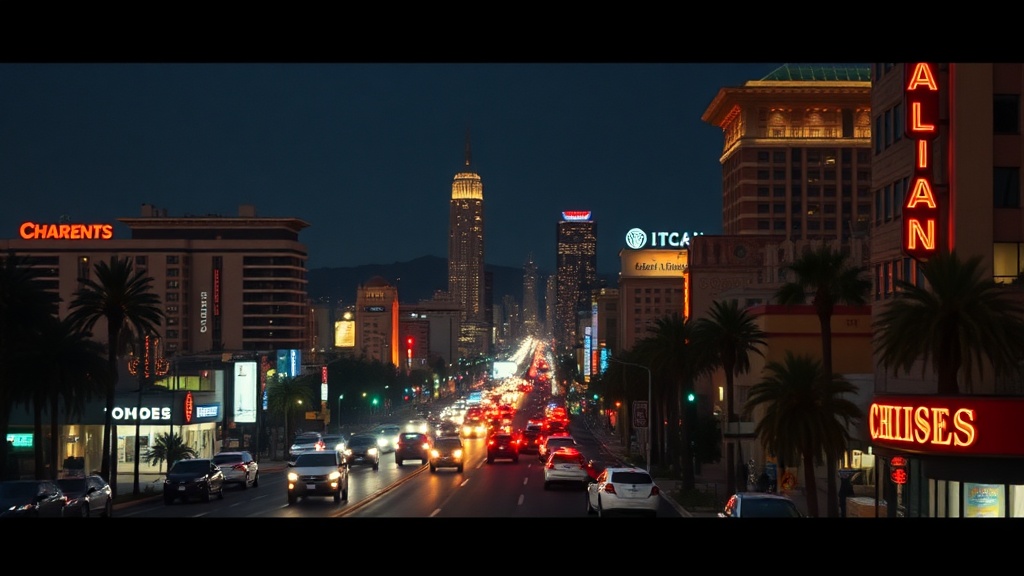
Los Angeles rewards curiosity. Rather than racing to check off a list, allowing time to linger—at a coffee shop, on a scenic overlook, or in a small gallery—often leads to the richest discoveries. Whether seeking culinary adventures, outdoor escapes, or cultural immersion, the city offers countless ways to connect, unwind, and be inspired.