Understanding Los Angeles Microclimates: A Local’s Guide to Dressing, Exploring, and Staying Comfortable
Los Angeles is famous for its sunshine, but that sunshine arrives with surprising variety. The city’s geography—coastline, valleys, mountains, and urban sprawl—creates distinct microclimates that can change your plans in a matter of miles. Knowing how to read those differences makes outings more enjoyable and helps visitors and residents make smarter choices about what to pack and where to go.
Why microclimates matter
– Coastal neighborhoods: Cooler temperatures, marine layer mornings, and crisp ocean breezes. Great for beach days, bike rides along the strand, and walking neighborhood piers.
– Valley and inland areas: Warmer, drier air that can heat up quickly, especially on sunny days. Ideal for rooftop patios and late-afternoon hikes but requires sun protection and hydration.
– Hills and mountains: Temperatures drop as elevation rises; evenings can be surprisingly cool. These areas offer dramatic views and are perfect for star-lit cityscapes.
– Urban canyons: Dense downtown areas trap heat, creating hotter pockets that feel starkly different from nearby shaded streets.
Practical packing tips
– Layering is essential. A light jacket or hoodie is useful for chilly coastal mornings and cool evenings in higher elevations.
– Sun protection matters more inland.
Bring sunscreen, sunglasses, and a hat for valley and desert-adjacent excursions.
– Comfortable shoes suit every plan. From beach sandals to trail shoes, versatility keeps options open.
– A reusable water bottle helps beat dehydration in dry neighborhoods and on longer walks.
Best times and places for outdoor plans
– Morning beach strolls are often foggy but refreshingly cool; later in the day the sun breaks through and temperatures moderate.
– Head for local trails early to avoid heat and traffic. Many popular routes are calmer at dawn and offer cooler conditions.
– Sunset spots like coastal overlooks and hilltop viewpoints provide dramatic light and more comfortable temperatures than midday.
Transit and getting around
Traffic is a reality, but public transit and bike options have improved. Plan trips with buffer time, especially when traveling between very different climate zones. Apps that track transit and weather can help you decide whether to switch plans—an unexpected marine layer may make a coastal picnic chillier than inland markets.
Local experiences to match the weather
– Cool, foggy mornings: Visit a seaside café, ride the boardwalk, or explore an outdoor museum with heated terraces.
– Sunny inland afternoons: Try food halls, rooftop bars, or vineyard-style tasting rooms just outside the city.
– Clear, cool evenings: Look for outdoor concerts, stargazing from hilltop parks, or a sunset drive along scenic overlooks.
Sustainability and comfort
Awareness of microclimates also ties into sustainable choices.
Choosing transit-friendly activities, visiting destinations during off-peak hours, and supporting shaded public spaces reduces energy use and enhances comfort for everyone.
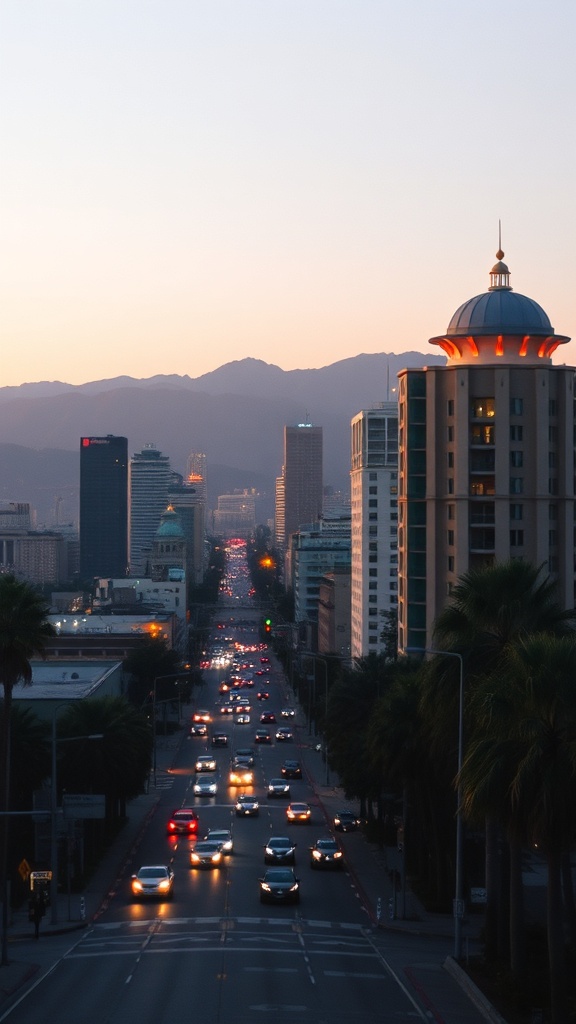
Observing how the weather shifts across neighborhoods gives a deeper appreciation for the city’s diversity. Whether planning a short visit or rearranging a weekend, thinking in microclimates helps turn unpredictable weather into a thoughtful part of the Los Angeles experience.