Los Angeles Microclimates: How to Make the Most of Beach, Valley, and Hills Weather
Los Angeles is famous for sunshine, but that’s only part of the story. The city’s microclimates mean temperature, wind, and humidity can change dramatically over short distances — from foggy beaches to hot inland valleys and breezy coastal bluffs. Understanding these patterns makes outings more comfortable and helps visitors and locals plan better.
Why microclimates matter
– Weather differences can affect what you pack, where you plan outdoor activities, and how you schedule the day.
– Heat spikes in inland neighborhoods can make morning hikes preferable, while coastal fog can linger into the afternoon along Westside beaches.
– Air quality and wind patterns also vary, which matters for allergy sufferers and anyone sensitive to pollution.
Typical microclimate zones and what to expect
– Coastal zones (Santa Monica, Venice, Malibu): Often cooler with frequent morning coastal low clouds and marine layer. Expect cooler temperatures and breezy conditions, even when inland neighborhoods are warm. Great for sunrise walks, beach volleyball, and bike paths.
– Westside hills and canyons (Brentwood, Pacific Palisades, Topanga): Slightly more temperate than the valley because of ocean influence, but still sheltered. Excellent for trail hikes with shade and ocean views.
– Central and South L.A.: Urban neighborhoods often feel warmer due to dense development and limited green space.
Ideal for cultural outings, museums, and food tours during the cooler parts of the day.
– San Fernando and San Gabriel Valleys: Tend to be the warmest and driest.
Best to plan strenuous outdoor activities like long hikes or rooftop workouts for morning or early evening.
– Inland mountains (Griffith, Angeles National Forest): Elevation brings cooler temperatures and cleaner air, making these areas perfect escapes from city heat.
Practical tips for any Los Angeles day
– Dress in layers: Mornings can be chilly along the coast; afternoons inland can be hot. A light jacket or hoodie that you can easily stow is essential.
– Use real-time local forecasts: Neighborhood forecasts are more useful than broader city-wide predictions. Check a microclimate-aware weather app before heading out.
– Time your outdoor plans: Hikes and rooftop bars are more enjoyable earlier in the morning or later in the evening when temperatures moderate.
– Sunscreen and hydration: UV levels stay high even on cloudy days near the coast, so pack sunscreen, sunglasses, and a refillable water bottle.
– Take advantage of public transit and bike lanes: To avoid long parking searches and reduce stress, use Metro lines, bike-share, or scooters for shorter trips. Transit also helps you experience different neighborhoods without the hassle of traffic.
– Know the wind: Afternoon sea breezes can cool oceanfront areas and push smog inland. When planning a beach picnic, secure lightweight items and be ready for gusts.
Best activities tailored to microclimates
– Foggy beach mornings: Take a walk, photograph the light, or enjoy a quiet coffee before crowds arrive.
– Sunny valley afternoons: Visit parks with shade trees, rooftop pools, or indoor cultural venues to stay comfortable.
– Hills and mountain mornings: Hike trails for panoramic views before temperatures rise. Pack layers for the descent.
– Evenings anywhere: Los Angeles evenings often offer a pleasant temperature balance. Outdoor dining, live music, and night markets shine after the heat subsides.
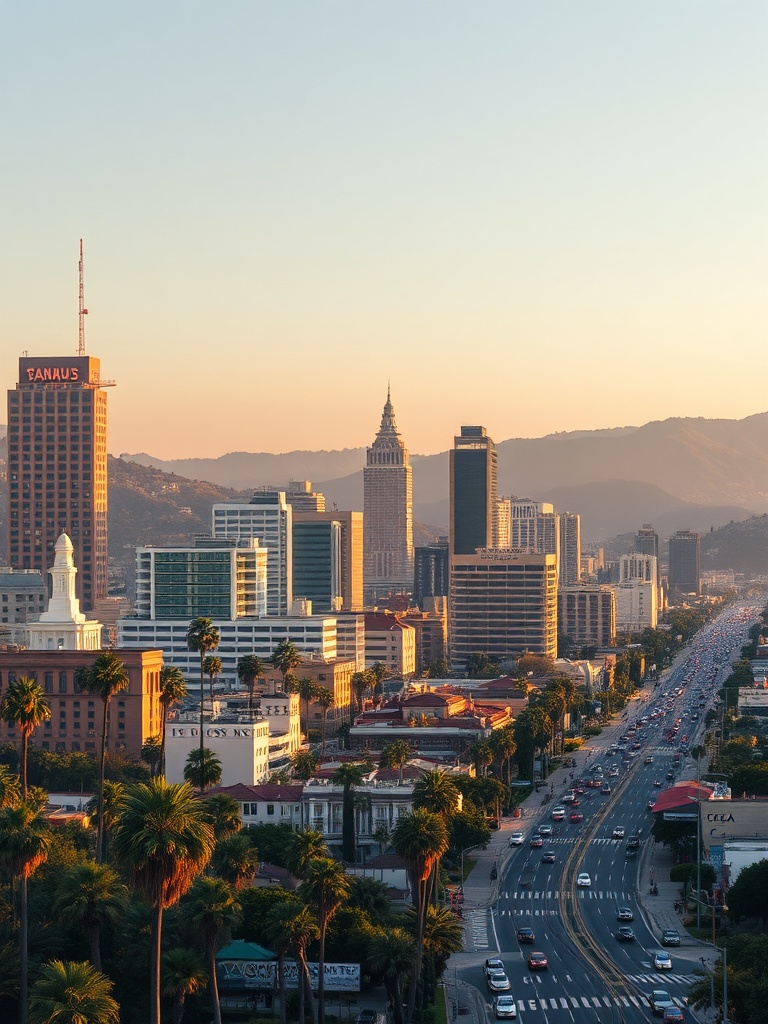
Understanding Los Angeles microclimates unlocks the city’s diversity: each neighborhood delivers a different mood, temperature, and set of activities. With a few simple adjustments — layers, local forecasts, and strategic timing — you’ll get more from every corner of the region, whether you’re chasing fog, sun, or city culture.