Los Angeles is in the middle of a broad, quiet transformation that touches how people move, live, work, and enjoy the city. Once defined primarily by cars and freeways, the region is steadily adding more options for transit, greener public space, and housing approaches designed to fit diverse needs. Those shifts are shaping everyday life across neighborhoods from the beaches to the basin.
Transit and mobility improvements are changing commutes and neighborhood development. Major rail and bus projects, combined with faster last-mile options like e-bikes and shared scooters, are making transit more practical for many Angelenos. Transit-oriented development around new and upgraded stations is attracting mixed-use projects and local businesses, while bike lanes and protected corridors are expanding in city neighborhoods to improve safety and encourage shorter trips on two wheels. If you’re visiting or living here, leaving the car parked and trying a combination of rail, bus, and micro-mobility can reveal new parts of the city and reduce stress.
Housing pressure continues to push creative responses. Local policies that support accessory dwelling units (ADUs), office-to-residential conversions, and denser development near transit corridors are slowly increasing supply and giving homeowners more flexibility. These options often offer more affordable or flexible living arrangements than traditional single-family homes, and they can help neighborhoods maintain local character while accommodating growth.
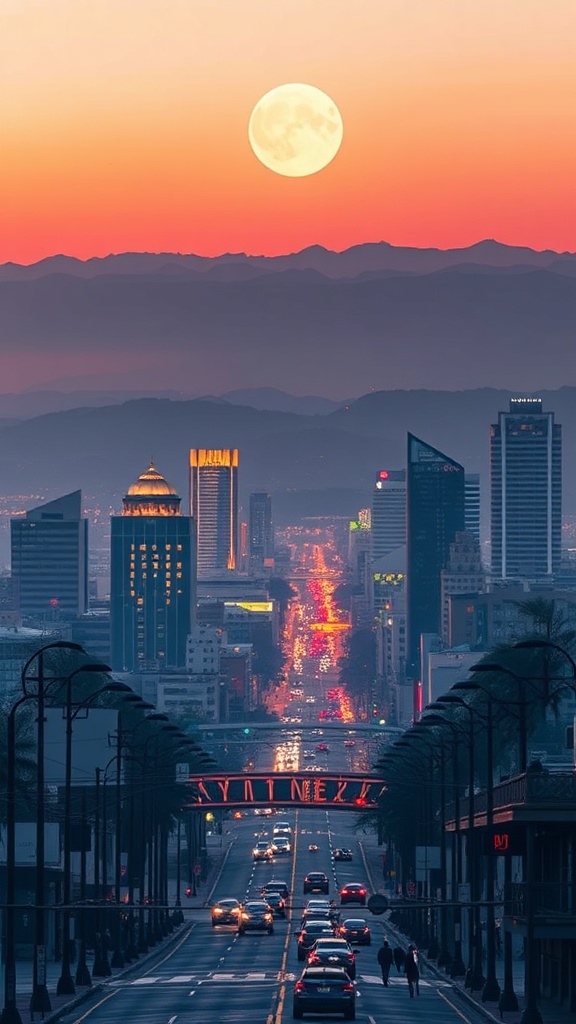
Climate resilience and water management are top priorities for Los Angeles. Water conservation efforts include expanded recycled water projects, stormwater capture, and incentives for drought-resistant landscaping. Urban heat island strategies—planting trees, installing cool roofs, and expanding shade in public spaces—are appearing in city planning as essential measures to keep neighborhoods more comfortable during hot spells. Wildfire risk remains a concern in hillside and foothill communities, prompting coordinated vegetation management, defensible-space programs for properties, and improved emergency communication systems.
Public spaces and the LA River revival are changing how residents connect with nature in the city. River-adjacent parks, new trail segments, and community-driven greenway projects are creating continuous corridors for walking, cycling, and weekend recreation. Waterfront activation and port-area improvements are also bringing more recreational and commercial opportunities to former industrial zones, reconnecting residents with coastal and riverfront amenities.
The creative economy keeps powering the region’s cultural and economic life. Film and television production benefits from local incentives and a wide range of locations, while a growing tech and startup scene—often referred to as Silicon Beach—continues to attract talent and investment.
That blend of entertainment, tech, and creative services fuels nightlife, dining, and retail growth across many neighborhoods.
For residents and visitors wanting to make the most of these shifts:
– Try transit plus micro-mobility for shorter trips and stress-free parking.
– Explore newly developed river parks and greenways for urban nature escapes.
– Consider ADUs or mixed-use neighborhoods if you’re looking for flexible housing options.
– Support local businesses in revitalized corridors to keep neighborhood economies vibrant.
Los Angeles is balancing big-city ambitions with practical, place-based solutions that improve livability. The result is a city that still celebrates creative energy and diversity, while quietly investing in infrastructure, sustainability, and quality of life. For anyone interested in urban change, LA offers a front-row view of how a sprawling metropolis can adapt and reinvent itself without losing its unique character.