Los Angeles is quietly reinventing itself through transit expansion, new public spaces, and greener infrastructure — changes that are reshaping daily life, real estate patterns, and how Angelenos move around the region.
Transit is becoming more useful
After decades of car-first planning, a wave of rail, bus, and station improvements is making transit a realistic option for more trips.
Multiple rail corridors are extending service into fast-growing neighborhoods, while major station upgrades and bus-priority lanes are speeding commutes.
For residents, that means shorter door-to-door travel times for work, school, and leisure without the stress of freeway congestion. For businesses, better transit access opens new customer pools and supports workforce mobility.
Public space and the LA River are becoming civic amenities
A long-term effort to reconnect neighborhoods with the Los Angeles River is turning concrete channels into linear parks, bike routes, and wildlife corridors. New greenway segments include native plantings, improved stormwater capture, and multiuse paths that link adjacent communities. Elsewhere, smaller pocket parks and plazas have popped up as council districts and developers prioritize open space. These projects cool neighborhoods, reduce runoff, and create everyday destinations for walking, coffee, and outdoor activities.
Climate resilience and sustainable streets
Heat, drought, and wildfire risk are driving investments in urban cooling and stormwater infrastructure. “Green streets” projects add shade trees, permeable pavement, and rain gardens that absorb runoff and reduce pressure on the storm system. Solar canopies over parking lots and transit stations, along with incentives for electric vehicle charging and electrified buses, are reshaping the city’s energy footprint.
Neighborhood-level impacts: housing and equity
Transit and open-space upgrades often raise property values and spur new development. That can lead to beneficial reinvestment, but it also raises equity concerns around displacement. Affordable housing projects, adaptive-reuse conversions, and accessory dwelling units are part of the response to keep neighborhoods accessible to long-term residents. Community benefit agreements and local hiring requirements are increasingly used to align development with neighborhood priorities.
Micro-mobility and first/last-mile options
E-bikes, scooters, and improved bike infrastructure are filling first/last-mile gaps, making it easier to use transit without owning a car for every trip. Protected bike lanes and secure parking at transit hubs encourage mixed-mode commutes, while employer commuter programs and mobility-as-a-service apps simplify trip planning and payment.
How to benefit from these changes
– Try transit for a habitual trip: a few trial commutes per month can reveal whether a blend of rail, bus, or micromobility works for you.
– Explore the LA River and new greenways on foot or by bike to discover quieter parts of the city.
– Follow Metro and local council updates for station access changes, service alerts, and community meetings.
– Consider ADUs or transit-proximate housing if you’re looking to reduce commute time; talk to neighborhood organizations about equitable development.
– Volunteer with river cleanups or tree-planting groups to help shape improvements and meet neighbors.
What to watch next
Progress continues along transit corridors, river revitalization sites, and climate-adaptive streets.
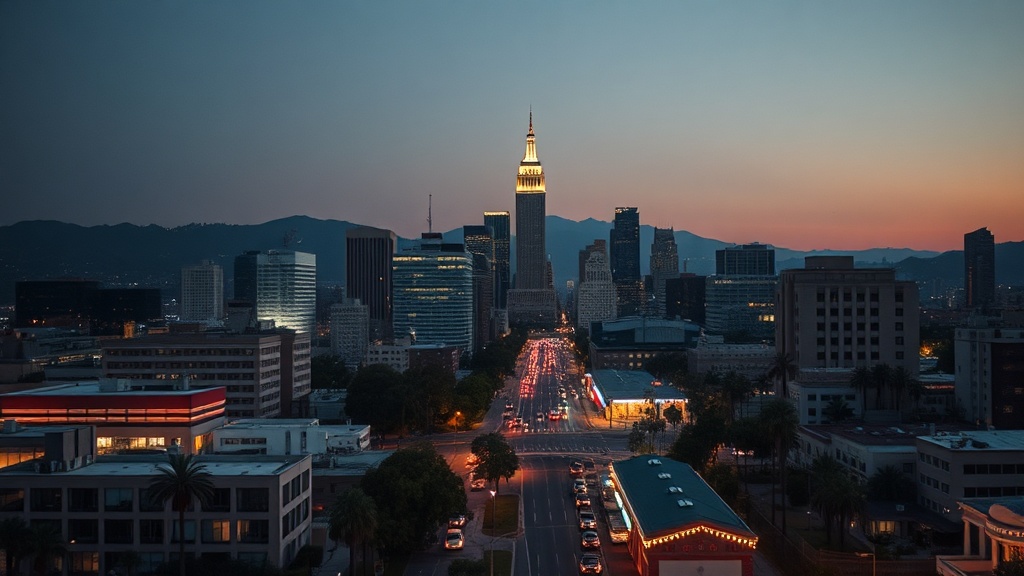
The biggest opportunities will come where agencies, community groups, and developers align priorities: accessible transit, affordable housing, and public spaces that serve daily life. For Angelenos, that means more ways to move, cooler neighborhoods, and public places that encourage community — if planning keeps equity front and center.