Los Angeles is taking on the heat with green solutions that make neighborhoods more livable, save energy, and improve public health. As urban temperatures rise and drought conditions influence planning, city leaders, nonprofits, and residents are focusing on practical measures—tree canopy expansion, cool roofs and pavements, water capture, and community-based projects—that cool streets and create long-term resilience.
Why urban cooling matters in LA
Urban heat islands drive higher air-conditioning demand, raise energy bills, worsen air quality, and increase heat-related illness. Cooling strategies reduce local temperatures, lower electricity loads, and slow ozone formation.
For a sprawling, diverse city like Los Angeles, targeted investments in shade, surface reflectivity, and water-efficient landscaping deliver outsized benefits, especially in underserved neighborhoods that historically lack green infrastructure.
High-impact approaches that work
– Expand the urban canopy: Planting native, drought-tolerant shade trees along sidewalks and in parkways is one of the simplest, most cost-effective ways to lower surface and air temperatures. Trees provide immediate shade, improve air quality, and enhance property values. Prioritize species suited to the local climate and soil, and plan for proper long-term irrigation to ensure survival.
– Cool roofs and reflective materials: Painting roofs with high-reflectance coatings or installing cool roofing materials reduces heat absorption at the building level, cutting cooling costs and extending roof life. Cool pavements and light-colored street treatments can also lower ground temperatures and improve pedestrian comfort.
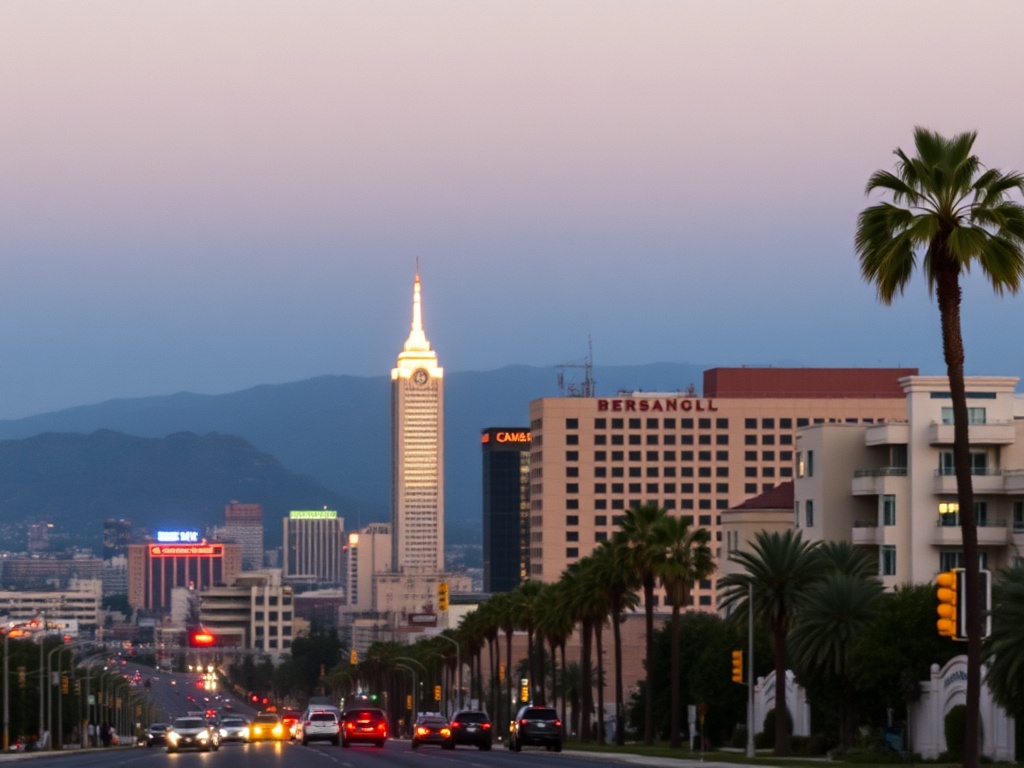
– Green roofs and pocket parks: Converting underused rooftops or small parcels into planted spaces adds insulation, reduces runoff, and creates microclimates. Pocket parks and rain gardens help capture stormwater for irrigation while providing much-needed recreational space in dense neighborhoods.
– Stormwater capture and reuse: Smart landscaping that captures rain—through bioswales, permeable pavers, and cisterns—reduces runoff and provides non-potable water for irrigation. Combining water capture with drought-tolerant plantings creates resilient green spaces without excessive water use.
Equity and community-focused planning
Heat exposure isn’t evenly distributed. Communities with less tree cover and fewer parks are more vulnerable. Equitable planning efforts target investments in these hot spots, partnering with neighborhood groups to identify priorities and ensure maintenance.
Community involvement—from volunteer tree-planting events to stewardship agreements—boosts survival rates for new plantings and strengthens neighborhood ties.
Practical steps for residents and businesses
– Start small: Add container trees or shade structures, convert a portion of lawn to native pollinator plants, or install a rooftop planter to cool your space and provide habitat.
– Seek incentives: Look for local rebates and programs that help cover the cost of cool roof coatings, drought-tolerant landscaping, or water capture systems. Many municipalities and utilities offer financial support for energy- and water-saving upgrades.
– Work with neighbors: Coordinate tree planting and shared irrigation plans for parkways and communal spaces. Collective action can attract funding and create larger, continuous canopy corridors.
– Maintain for the long term: Proper watering, pruning, and soil care are essential to help young trees and plants thrive through dry periods. Engage volunteers or hire service providers experienced with native species.
Where to get involved
Nonprofits, local community groups, and municipal urban forestry programs often welcome volunteers and donations. Participating in neighborhood planning meetings or submitting suggestions to your local council office helps prioritize projects where they’re needed most.
Los Angeles’s path to a cooler city depends on combining technical solutions with community leadership. Shade, reflectivity, and water-smart landscaping are effective tools—and when deployed equitably, they improve quality of life across neighborhoods while making the city more resilient to a warming climate.